
Terminal to Terminal Car Shipping

25+ Years Experience
Guaranteed Price
Licensed & Insured

Locked-In Pricing
Locked Rate Guarantee

24/7 Dedicated Support Team
Around-the-Clock Support

Nationwide Auto Transport
All 50 States Shipping

High-Quality Service Standards
Industry-Leading Standards
What Our Customer Say About Us
Terminal to Terminal Car Shipping
Terminal to terminal car shipping offers a straightforward way to move vehicles between cities. Customers drop off their car at a designated terminal near the origin location. They then pick it up at another terminal close to the destination. This shipping method avoids the complexity of coordinating home pickups and deliveries. Compared to other car shipping companies, terminal-to-terminal auto shipping companies often provide a more affordable and flexible alternative, especially for long-distance vehicle transport.
Homeland Auto Transport coordinates secure transport between professional vehicle terminals across the country. Every terminal shipment uses fully vetted, insured carriers. This approach appeals to budget focused shippers who have flexible schedules.
Key benefits of terminal to terminal shipping include:
-
Significant cost savings compared to residential pickup and delivery
-
Secure storage facilities with gated access and surveillance
-
Flexible drop off and pick up windows during terminal hours
-
Efficient routes that keep shipping costs low
Introduction to Car Shipping
Car shipping is an essential service for anyone needing to move a vehicle across long distances, whether for a relocation, a seasonal move, or an online car purchase. There are two primary shipping methods to consider: terminal to terminal shipping and door to door transport.
With terminal to terminal shipping, you drop off your vehicle at a designated terminal near your starting point and later pick it up from another terminal close to your destination. This approach is often more budget-friendly, as it leverages established terminal networks and efficient carrier routes. However, it does require you to travel to both the origin and destination terminals for drop off and pick up.
Door to door transport, by contrast, offers maximum convenience. The carrier collects your vehicle directly from your home or business and delivers it right to your new address. While this door to door shipping method eliminates the need for you to visit a terminal, it typically comes at a higher cost due to the added logistics and time involved.
Choosing between terminal to terminal and door to door shipping depends on your priorities—cost savings, convenience, and your proximity to a designated terminal. Understanding these options helps you select the car shipping method that best fits your needs and schedule.
How Terminal to Terminal Car Shipping Works Step by Step
The shipping process begins when you request a quote from Homeland Auto Transport. You provide your pickup city, drop off city, vehicle details, and preferred timing. Within minutes, you receive rates for terminal options alongside door to door comparisons. Terminal transport offers a reliable and cost-effective solution for moving vehicles between cities, making it a popular choice for many customers.
Step one involves selecting your terminal pair. Advisors identify the nearest terminal to your origin and destination points. These facilities sit near major highways for efficient carrier access. You confirm which terminals work best for your schedule.
Step two covers scheduling your drop off. You arrange a time during terminal business hours. Most terminals operate weekdays from morning through early evening. Plan to arrive with your vehicle, valid ID, and at least two sets of keys.
Step three happens at the origin terminal. A certified agent conducts a thorough inspection. They document your vehicle’s condition on the Bill of Lading. This legal form protects both parties by recording scratches, dents, or other marks. You sign off and leave your car in secure storage.
Step four begins when a carrier arrives to load your vehicle. Dispatch teams pair vehicles heading the same direction. This keeps routes efficient and shipping costs manageable. Your car joins others on an open or enclosed trailer.
Step five involves transit tracking. Homeland Auto Transport provides real time updates via app or portal. You see carrier location and estimated arrival times. Communication remains open throughout the journey.
Step six completes the process at the destination terminal. You receive notification when your car arrives. Visit during operating hours with your ID. Repeat the inspection process and sign the Bill of Lading. Verify the condition matches what was documented at pickup.

When Terminal to Terminal Car Shipping Makes Sense
Terminal auto transport works best for relocations between major cities. Think Los Angeles to Chicago or Miami to Boston. These corridors have regional terminals positioned along popular interstate routes like I-95 or I-80.
College students moving between campuses find this option practical. A student in Dallas shipping to Atlanta saves money by using terminals. Both cities have facilities within reasonable distance of their centers. The nearest terminal often sits just 10 to 20 miles from downtown.
Seasonal workers benefit from terminal to terminal service. Someone shifting from Florida to New York each season can plan around terminal hours. They schedule drop offs before work or pickups after their shift ends.
Online car buyers also gravitate toward this shipping method. Purchasing a vehicle from another state means coordinating delivery anyway. Driving to a designated shipping terminal feels natural when you lack a local address.
However, door to door transport serves certain customers better. Someone with limited mobility struggles to travel 30 minutes each way. Rural addresses far from highway hubs add complexity. Tight timelines requiring exact home delivery justify the premium for door to door shipping.
Consider your situation honestly. If you work near a terminal location, this method saves real money. If reaching terminals requires hours of travel, the convenience of door to door delivery may outweigh the cost difference.
Benefits of Terminal to Terminal Car Shipping
The primary advantage remains cost savings. Terminal to terminal shipping runs 20 to 30 percent lower than door to door service. Carriers avoid navigating residential neighborhoods. They skip narrow streets and tight driveways. This efficiency translates directly into lower rates.
Multi car routes benefit everyone involved. Carriers load full trucks with vehicles traveling the same direction. Fewer stops mean less fuel consumption. Less driver time means reduced overhead. These savings pass along to customers.
Flexible scheduling fits real life. Terminals operate during predictable business hours. You arrange drop off around your work schedule. Pick up happens when you have time available. No waiting at home for a carrier that might arrive within a four hour window.
Security exceeds curbside alternatives. Professional terminals feature gated access and surveillance cameras. Only authorized personnel enter the storage facility. Your car sits protected until the carrier arrives. This beats parking on a street hoping nobody damages it.
Homeland Auto Transport maintains transparency throughout. Quotes arrive with clear line items. No surprise fees appear later. Status updates keep you informed during transit. You know where your vehicle sits at every stage.
Additional benefits worth noting:
-
Reduced handling lowers damage potential
-
Direct interstate routes often mean faster overall transit
-
Carrier network optimization improves reliability
-
Vehicle storage remains secure between legs of the journey
-
Terminal storage provides secure, flexible, and cost-effective storage solutions for customers who need to accommodate unpredictable schedules or delayed pickups
Potential Drawbacks and How to Plan Around Them
Honesty builds trust. Terminal to terminal shipping requires effort from customers. You must travel to both terminals yourself. This might add 30 to 60 minutes of driving each way. Factor in potential parking fees at busy metro locations.
Storage fees represent another consideration. Most terminals offer free holding periods lasting three to seven days. After that, terminals charge storage fees ranging from $20 to $50 daily. Delays happen. Carriers sometimes wait to fill routes. These fees can add up. If you are unable to pick up your vehicle on time, you may have to pay storage fees, which are typically charged daily and can vary by location.
Delivery windows stretch wider with terminal service. Carriers depart only when loads fill. This creates variability. Standard domestic moves average four to nine days. Cross country hauls take five to twelve days. Low volume routes experience longer waits.
Planning mitigates these concerns. Book two to four weeks ahead of your preferred dates. Select high volume terminal pairs on busy corridors. Confirm flexible dates with your advisor. This flexibility gives dispatch teams room to optimize.
Homeland Auto Transport discloses estimated fees upfront. Advisors explain holding periods before you book. They provide terminal addresses with information about nearby transit options. Proactive communication prevents surprises.
Consider your transportation to terminals. Plan rideshares from airports if needed. Check public transit routes near highway adjacent facilities. Arrange for someone to drive you home after drop off. These logistics require thought but remain manageable.
Terminal to Terminal vs Door to Door Auto Transport
Both options serve legitimate needs. The choice depends on your priorities and circumstances. Neither approach is universally superior. Understanding trade offs helps you decide.
Cost favors terminal shipping clearly. Savings range from 15 to 40 percent depending on the route. Metro to metro shipments see the biggest difference. A sedan moving from Phoenix to Denver costs less via terminals than door to door delivery.
Convenience tilts toward door to door service. Zero travel to facilities. Carriers arrive at your address. They deliver to your destination address. This simplicity carries a premium price.
Timing varies by method. Terminal to terminal sometimes moves faster overall. Direct interstate routes mean fewer stops. However, waiting for carriers to fill loads adds variability. Door to door pins tighter windows but costs more.
Effort differs substantially. Terminal service requires your travel and coordination. Door to door demands only that you be home during pickup and delivery windows. Choose based on your available time and mobility.
Both methods use identical vetted carriers through Homeland Auto Transport. Safety standards remain consistent. Insurance coverage applies equally. The difference lies in logistics, not quality.
Choose terminal to terminal when you live in major cities with highway access. Choose door to door when you live in remote locations or need precise scheduling. Both serve their purpose well.
Open vs Enclosed Carriers for Terminal Shipments
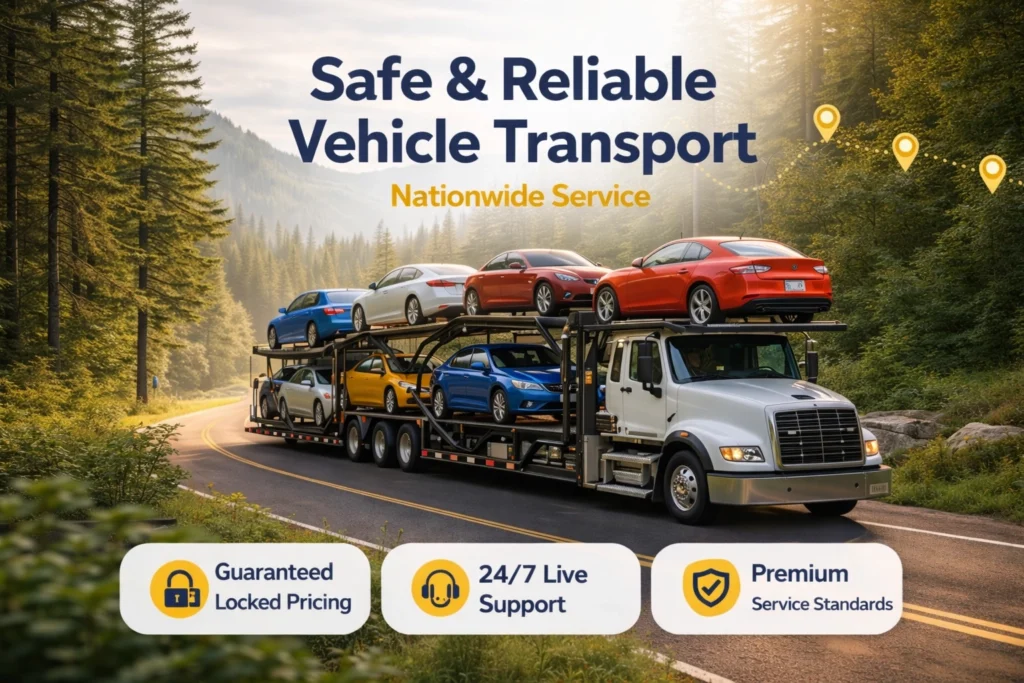
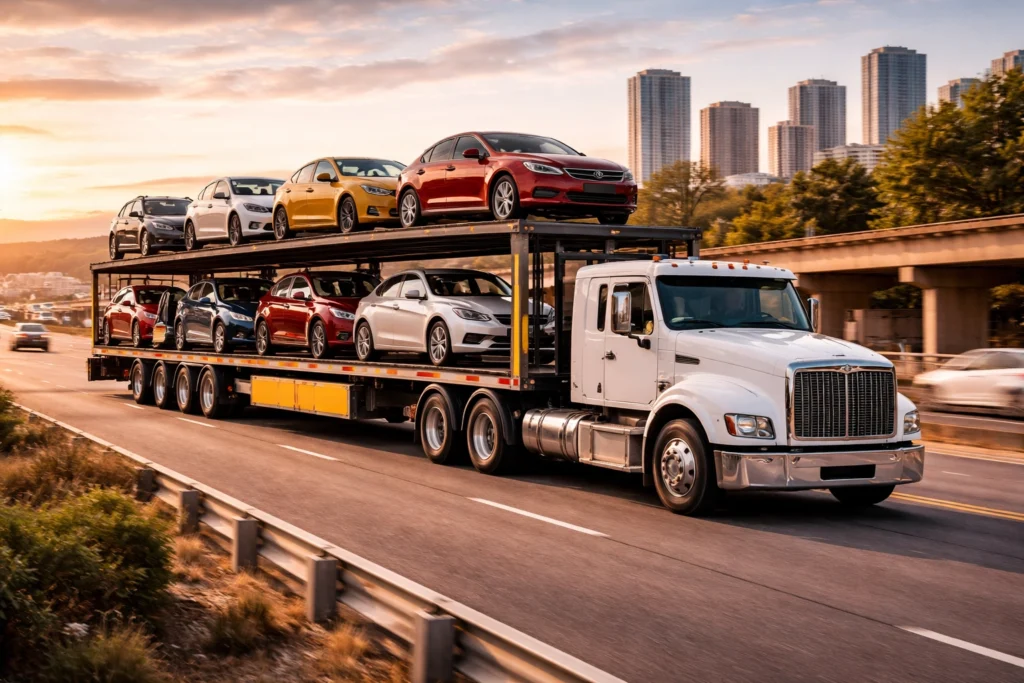
Open car transport represents the standard option for terminal shipping. Multi car trailers carry eight to ten sedans efficiently. Vehicles remain exposed to weather and road debris. This method costs less due to high volume operations.
Most daily drivers ship via open transport carriers. A commuter sedan traveling from Houston terminals to Denver terminals rides safely on an open trailer. Minor dust or light rain causes no real concern. The very fair price makes this the default choice.
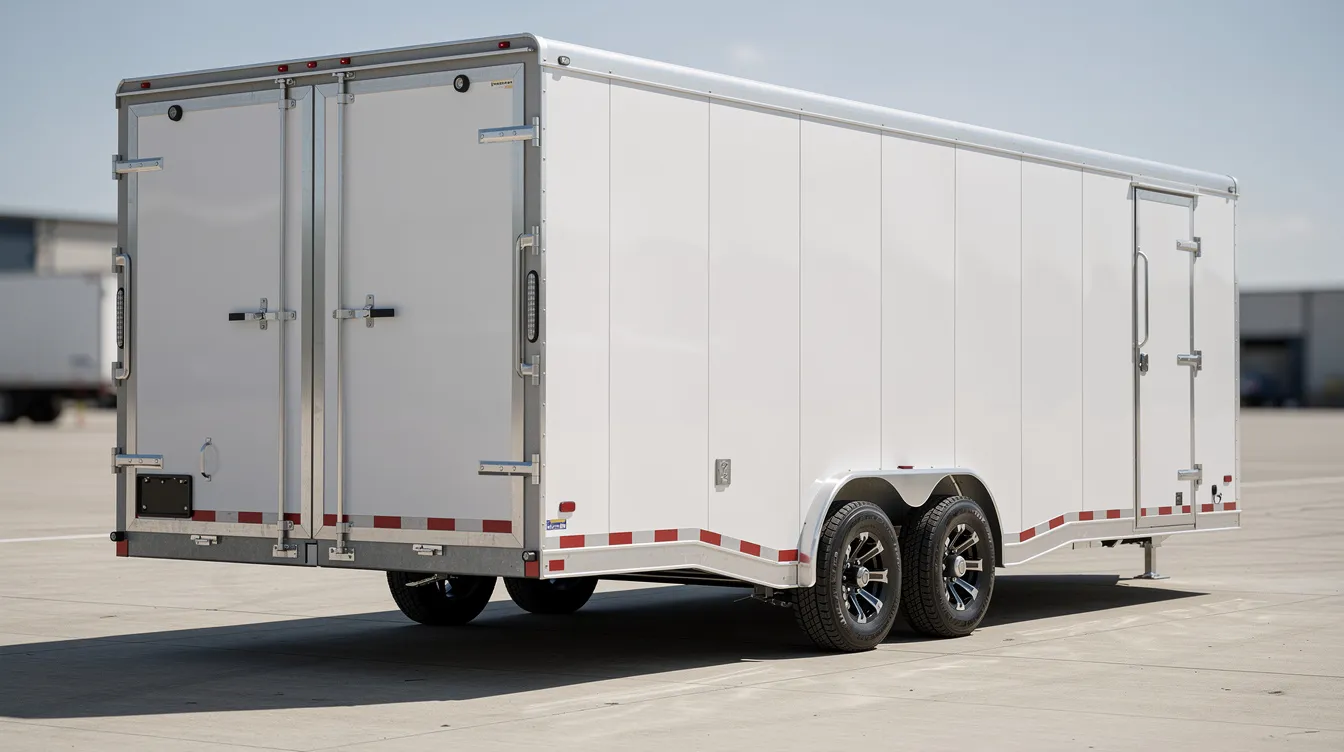
Enclosed auto transports protect high value vehicles. Fully sealed trailers hold four to six cars. They shield paint from elements and debris. Classic cars and luxury exotics warrant this protection.
Consider enclosed transport for vehicles over $50,000 in value. A pristine Ferrari transiting snowy Midwest routes needs protection. A vintage Mustang shipping from Seattle terminals to New York deserves the same care. Concours condition demands enclosed handling.
Homeland Auto Transport matches vehicles with appropriate carriers. Advisors assess value, condition, and risk tolerance. They recommend upgrades when circumstances justify the cost. You make the final decision with full information.
Real world examples clarify the choice. A college student shipping a ten year old Honda chooses open transport. A collector moving a restored Porsche selects enclosed. Both reach their destination terminal safely. Each paid appropriately for their needs.
What Impacts the Cost of Terminal to Terminal Car Shipping
Distance between terminals drives pricing most directly. A 1,000 mile metro pair might run $600 to $900 for a standard sedan. Costs scale beyond 2,000 miles. Major highway proximity slashes rates through efficient routing.
Vehicle specifics matter significantly. Larger trucks and SUVs with high ground clearance add 10 to 20 percent. Ramp adjustments require extra time. Inoperable vehicles incur loading fees of $100 to $200. Flatbed auto transports handle extreme cases.
Seasonal demand shifts rates noticeably. Summer relocation rushes inflate pricing by 20 to 50 percent. Winter snowbird migrations heading south create similar spikes. Off peak periods offer better deals.
Additional costs include storage beyond free holding periods. Extended vehicle storage at terminals runs $25 daily or more. Handling fees for classic cars may apply. Supplemental cargo insurance beyond standard carrier liability adds modest premiums.
Carrier availability affects pricing on specific routes. Popular corridors see competitive rates. Low volume routes between smaller cities cost more. Largest terminal networks in major cities provide options.
Homeland Auto Transport delivers itemized quotes. Every line item appears clearly. No hidden fees emerge later. Local terminal density in cities like Atlanta or Houston enables competitive pricing. You see exactly what you pay for.
Preparing Your Vehicle for Terminal Drop Off
Here are some practical car shipping tips to help you prepare your vehicle and reduce stress during the terminal to terminal car shipping process.
Preparation begins with a thorough exterior wash. Clean surfaces reveal existing damage. Document everything with timestamped photos. Capture all panels, the undercarriage, tires, and interior. Email these images to your advisor before drop off.
Remove all personal items from the vehicle. Department of Transportation rules prohibit excess cargo. Items left inside create liability issues. Empty the trunk, glove box, and door pockets completely.
Leave minimal fuel in the tank. A quarter tank suffices for loading and unloading. Less fuel means less weight. This improves safety during transport.
Check basic operability before arriving. Inflate tires to recommended PSI. Charge the battery fully. Top off essential fluids. Test brakes and lights for safe ramp maneuvers. Inoperable vehicles require advance disclosure.
Bring required documents to the terminal. Valid ID confirms your identity. Two sets of keys help terminal staff manage the vehicle. Registration or title may be requested depending on circumstances.
The terminal inspection happens on arrival. Staff conduct a joint walkaround. They note scratches, dents, or any damage on the Bill of Lading. You sign confirming agreement with the documented condition. This protects both parties through the shipping process.

Choosing the Right Terminals and Routes
Proximity to major highways improves pricing and timing. Facilities within 5 to 15 miles of interstates see frequent carrier activity. A Chicago terminal near I-90 offers better options than one across town.
Trade offs exist between convenience and efficiency. The closest terminal might see fewer departures. A slightly farther hub on a busier corridor fills loads faster. Consider daily departure frequency alongside distance.
Practical factors influence your choice. Parking availability matters at busy metro terminals. Public transport access helps if you need a ride home. Rideshare pickup points simplify logistics. Highway adjacent sites typically offer all these conveniences.
Homeland Auto Transport advisors analyze routes carefully. They recommend specific terminal pairs based on volume and efficiency. A shipment from Los Angeles to Dallas receives tailored guidance. You receive addresses, operating hours, and local tips.
Plan your own travel to both terminals. Consider how you reach the origin terminal on drop off day. Arrange transportation home after leaving your vehicle. Plan arrival at the destination terminal around their hours. Many customers coordinate with flights or work schedules.
Think regionally. A car terminal near your workplace makes morning drop off easy. A destination terminal near your new apartment simplifies final pickup. These practical considerations matter as much as pricing.
What to Expect During Shipping
When you arrange auto transport, knowing what to expect at each stage of the shipping process can help you plan with confidence. Whether you choose to drop off your vehicle at a designated terminal or opt for door to door service, the process begins with your vehicle being securely handed over to the transport company.
If you select terminal to terminal shipping, you’ll bring your car to the origin terminal, where it will be stored in a secure storage facility until it’s loaded onto a carrier. Once in transit, your vehicle is transported to the destination terminal, where it remains in secure storage until you pick it up. Most terminals offer a complimentary storage period, but storage fees may apply if your vehicle isn’t collected within the allotted time.
For those choosing enclosed transport, your vehicle receives extra protection from the elements and road debris, which is ideal for high-value or classic cars. Open transport is the standard shipping method for most vehicles and offers a balance of security and cost savings.
Throughout the shipping process, reputable auto transport companies provide updates and maintain insurance coverage to protect your vehicle. Understanding these steps, the role of secure storage, and the potential for storage fees ensures you’re prepared for a smooth and stress-free car shipping experience, no matter which shipping method you choose.
How Homeland Auto Transport Ensures Safety and Transparency
Homeland Auto Transport works exclusively with vetted, insured carriers. Every transport company in the carrier network meets strict standards. Verification occurs before any vehicle changes hands.
Car shipping insurance requirements exceed federal minimums. Carriers maintain $750,000 or more in cargo liability coverage. Safety scores receive review through the FMCSA SAFER system. Ongoing monitoring ensures continued compliance.
Real time tracking keeps customers informed. Proprietary apps show carrier location throughout transit. Status updates arrive without prompting. Responsive communication answers questions quickly.
Documentation creates accountability. Digital Bill of Lading records survive the journey. Inspection details remain accessible. Terminal processes follow consistent protocols nationwide.
Check in at terminals happens professionally. Staff verify ID and document vehicle condition. Secure storage protects cars between transport legs. Video surveillance monitors activity continuously.
Values of trust and accountability guide operations. Honest expectations around timing prevent disappointment. Clear pricing eliminates surprise fees. Car shipping experts answer questions directly. Auto transport services through Homeland Auto Transport prioritize reliability.
Booking Terminal to Terminal Car Shipping with Homeland Auto Transport
Requesting a quote takes minutes. Submit your pickup city, drop off city, and vehicle details online or by phone. Include year, make, model, and VIN. Note whether the vehicle runs or requires special handling.
Advisors respond with terminal options. They confirm addresses and operating hours. Special requirements receive attention upfront. You select the terminal pair that fits your situation.
Payment timing follows standard industry practice. A deposit of 10 to 25 percent secures your booking. The balance comes due at vehicle loading. Clear terms appear in your confirmation.
Confirmation emails arrive promptly. You receive carrier details before drop off. Tracking links activate when transit begins. Documentation explains what to bring and what to expect.
Your booking includes guidance from car shipping experts. Questions receive direct answers. Concerns get addressed honestly. The auto transport company stands behind its service.
Contact Homeland Auto Transport to schedule your terminal to terminal shipment. Advisors help you choose terminals, understand costs, and prepare your vehicle. The nationwide terminal network covers major cities and popular corridors. Effective car shipping starts with a conversation.
Example Customer Journey Using Terminal to Terminal Service
Sarah needed to ship her sedan from Atlanta to Houston after accepting a new job. She requested a quote from Homeland Auto Transport and received options within an hour. Terminal to terminal service saved her $275 compared to door to door.
She selected open transport to keep costs low. The origin terminal sat 15 minutes from her apartment near the I-285 corridor. The destination terminal operated near I-10 in Houston, close to her temporary housing.
Sarah scheduled drop off for a Tuesday morning. She took MARTA to the terminal location, arriving with her ID and keys. Staff inspected the vehicle and documented minor door dings on the Bill of Lading. She signed and headed to work.
Dispatch loaded her sedan onto a carrier within 48 hours. Daily GPS updates showed progress along I-20 and I-10. The app notification arrived on Saturday afternoon. Her car had reached the Houston terminal.
A rideshare brought her to the terminal Sunday morning. She repeated the inspection process. The Bill of Lading matched perfectly. No new damage appeared. She signed for receipt and drove to her new apartment.
The total cost came to $750 for the 800 mile journey. Transparent pricing meant no surprises. Vetted carriers handled her vehicle professionally. Terminal services provided security throughout. Sarah arrived at her destination terminal satisfied with the experience.

Simple Steps to Book Auto Transport
Need to transport your vehicle? We deliver safely and on time anywhere across the United States.
Quick Steps to Auto Transport

Step 1
Get a Quote and book

Step 2
We pick up your vehicle

Step 3
Receive delivery on time
Professional Transport Services

Auto Transport


Motorcycle Shipping

International Shipping
Get A Free
Instant Quote
Click below to get a free instant quote on your vehicle shipping service in just a few easy steps.
Why Choose Homeland Auto Transport?
Reasons to Trust Us With Your Vehicle Transport
Professional Auto Transport
We deliver reliable, nationwide vehicle shipping backed by experience and precision. Every shipment is handled with care, from dispatch to final delivery. Our network of vetted carriers ensures safe, on-time transport across all routes. With clear communication and dependable service, you always know your vehicle is in good hands.
Top Rated Service
We prioritize the safety of your vehicle at every stage of the transport process. Our fully vetted and insured carrier network ensures your shipment is handled with professionalism and care. From pickup to delivery, we maintain strict standards and clear communication so you always stay informed. With a focus on reliability and protection, you can trust us to deliver your vehicle safely and securely every time.
Always Available
Our team is available around the clock to support your vehicle transport needs. Whether you have questions, need updates, or want to book a shipment, we are here 24/7. You will always have direct access to real people who understand your shipment. With fast responses and consistent communication, we make the entire process smooth and stress-free.
Competitive Transport Pricing
We offer fair, market-driven pricing with no hidden fees or unexpected charges. Our rates are based on real-time transport data, ensuring you receive accurate and competitive quotes. With flexible options for every budget, we make it easy to ship your vehicle without overpaying. You get reliable service, strong value, and pricing you can trust from start to finish.
Nationwide Auto Transport
We provide reliable vehicle shipping across all 50 states, covering major cities and remote areas alike. Our extensive carrier network allows us to handle routes coast to coast with ease. Whether you are moving locally or across the country, we ensure consistent service and dependable delivery. No matter the distance, your vehicle is transported safely and efficiently nationwide.
White Glove Transport
We deliver a premium, hands-on transport experience designed for high-value vehicles and clients who expect more. Every detail is managed with precision, from careful carrier selection to priority scheduling and delivery. Your vehicle receives elevated protection and personalized attention at every step. With constant communication and a higher standard of care, we ensure a seamless, stress-free shipping experience.
FAQs
How does Homeland Auto Transport work?
Homeland Auto Transport makes vehicle shipping simple from start to finish. First, you request a quote online or by phone. We match your shipment with a vetted carrier in our nationwide network. Once scheduled, your vehicle is picked up at your location or nearby. During transit, we provide updates so you always know where your vehicle is. At delivery, you or your contact will inspect the vehicle and complete the process. We handle logistics, carrier coordination, and communication, so you can focus on your schedule while we manage the transport safely and efficiently.
How much does auto transport cost with Homeland Auto Transport?
The cost of auto transport depends on distance, vehicle type, transport method, and current market demand. At Homeland Auto Transport, we offer competitive, transparent pricing with no hidden fees. Open transport is the most affordable option, while enclosed transport offers added protection for high-value vehicles. Seasonal demand and route popularity can also affect pricing. We provide accurate, real-time quotes based on your exact route and vehicle details. Our goal is to give you a fair rate while ensuring your vehicle is picked up quickly and delivered safely anywhere in the United States.
Is my vehicle insured during transport?
Yes, every shipment booked through Homeland Auto Transport includes carrier insurance coverage. All carriers in our network are fully licensed and insured, meeting federal requirements. Before pickup, a detailed inspection report is completed to document your vehicle’s condition. Upon delivery, you will review the vehicle again to confirm it arrived safely. While damage is rare, insurance coverage provides peace of mind throughout the process. For high-value or specialty vehicles, we can also arrange enclosed transport options for added protection during transit across long distances or challenging routes.
How long does it take to ship a car nationwide?
Transit time depends on distance, route, and scheduling factors. Shorter routes may take 1–3 days, while cross-country auto transport typically takes 5–10 days. At Homeland Auto Transport, we work to secure fast pickups, often within 1–3 days of booking. Weather, traffic, and route demand can impact delivery times, but we always provide estimated timelines upfront. Our team stays in contact with carriers to ensure everything stays on schedule. We prioritize efficiency without compromising safety, so your vehicle arrives on time and in the same condition it was picked up.
What types of vehicles can Homeland Auto Transport ship?
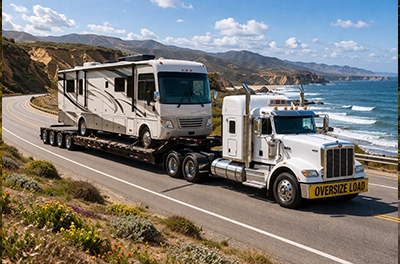
Homeland Auto Transport can ship nearly any type of vehicle nationwide. This includes standard cars, SUVs, trucks, motorcycles, luxury vehicles, classic cars, and even oversized or specialty equipment. Whether you need open or enclosed transport, we tailor each shipment to your needs. Our extensive carrier network allows us to handle both everyday vehicles and high-value transports with care. No matter the size, type, or destination, we coordinate the right equipment and carrier to ensure safe and reliable delivery across all 50 states.