
None Running Auto Transport

25+ Years Experience
Guaranteed Price
Licensed & Insured

Locked-In Pricing
Locked Rate Guarantee

24/7 Dedicated Support Team
Around-the-Clock Support

Nationwide Auto Transport
All 50 States Shipping

High-Quality Service Standards
Industry-Leading Standards
What Our Customer Say About Us
Non Running Auto Transport
When a vehicle cannot move under its own power, standard car shipping rules change. Non running auto transport refers to the specialized service of moving vehicles that will not start, roll, or steer without assistance. Auto shippers in the car shipping industry specialize in handling inoperable cars and project cars using special equipment to ensure safe and efficient transport. This includes everything from a classic car mid-restoration to a daily driver with sudden engine failure.
Homeland Auto Transport coordinates inoperable vehicle moves nationwide. This includes complex urban pickups where access is limited and rural locations where carrier availability runs thin. The company connects customers with vetted, insured carriers equipped specifically for non running car shipping.
Non running transport costs more and requires additional planning. Carriers must deploy specialized equipment like winches, forklifts, or hydraulic skates. Loading takes longer. Fewer trucks carry the necessary equipment. Pickup timelines typically run three to four days instead of one or two for a running vehicle.
-
Project cars stored in garages without running engines
-
Classics mid-restoration with incomplete systems
-
Collision-damaged vehicles at body shops
-
Auction purchases that cannot drive onto a trailer
Transport companies and shipping companies coordinate shipping cars that are inoperable or require special handling, ensuring the right resources and expertise are used for each move.
Every move uses carriers with verified equipment and active insurance for inoperable vehicles.
How Car Condition Affects Non Running Auto Transport
The auto transport industry uses a straightforward framework to assess every non running car, focusing on the car’s condition and whether the vehicle runs, rolls, steers, and brakes. Four questions determine everything: Does it start? Does it roll? Does it steer? Do the brakes work? These answers shape which carriers can handle the vehicle, what equipment gets deployed, and what the total cost looks like.
Transport differences emerge quickly across condition levels. A vehicle that runs, rolls, steers, and brakes requires only basic winch loading. A vehicle that rolls but cannot steer demands additional positioning effort. A vehicle that cannot roll or steer at all requires forklifts or hydraulic skates. Each level changes carrier availability and price.
Consider two concrete examples. A stored Mustang shell that has sat for several seasons might not start, but its wheels roll freely and the steering responds. That vehicle loads relatively easily with a winch. A late-model SUV with a seized engine presents a different challenge. The transmission lock may prevent the wheels from turning at all, requiring heavy equipment for positioning.
Honest condition details matter enormously. When customers misrepresent the car’s condition, carriers arrive unprepared. This leads to failed pickups, rescheduling delays, or surprise fees. Accurate information during booking prevents these problems and ensures the right auto transport company arrives with proper equipment.
Non Running Vehicles that Roll, Brake, and Steer
This scenario represents the simplest and most economical non running vehicle transport category. When a vehicle cannot start but retains basic mechanical function, carriers can work efficiently.
Loading uses a trailer-mounted winch that gently pulls the vehicle onto the carrier deck. The truck driver guides the steering as the car moves up the ramp. Functional brakes allow controlled stops during positioning. Both open and enclosed transport options remain available for these vehicles. The impact on cost typically involves a modest non-operational surcharge added to standard rates.
Preparation still matters for safe loading. Drivers need clear driveway access so the transport truck can position itself optimally. Tire pressure should be adequate so wheels roll smoothly during winching. Homeland Auto Transport pairs these vehicles with both open and enclosed options based on customer preference and route availability.
-
Simplest non running scenario with broad carrier availability
-
Standard winch loading on open or enclosed trailers
-
Modest surcharge compared to severely compromised vehicles
Non Running Cars that Roll and Steer but Do Not Brake
Missing brakes increase risk significantly during loading and unloading. Even on flat surfaces, a vehicle without braking capability can roll backward on ramps. Gravity works against the loading process constantly. The transport carrier must use additional safety measures to control movement.
Vehicle weight changes carrier willingness. A lighter coupe without brakes presents manageable risk. A heavy pickup truck or SUV without brakes may face refusal from standard long-haul operators. These heavier vehicles often require a local flatbed truck or a tow truck to position them safely before an over-the-road carrier can access them. This staging process adds cost and complexity.
Homeland Auto Transport screens carriers for experience with partial control vehicles. Drivers use wheel chocks, wooden blocks, and slow winching speeds to control movement on ramps. Communication about brake status before pickup ensures drivers arrive prepared with necessary equipment.
Safety considerations:
-
Enhanced wheel chocking before any loading begins
-
Flat or minimal-grade surfaces preferred for loading
-
Documentation of brake failure for insurance purposes
Vehicles that Do Not Roll or Steer at All
These represent the most challenging non running auto transport cases. When a vehicle cannot roll or steer, standard winching strategies fail. The vehicle might have seized wheels, complete steering failure, flat tires that cannot be inflated, or damage so severe that movement risks further destruction. Low clearance vehicles present additional challenges in these situations, as their minimal ground clearance often requires even more specialized equipment and careful handling to avoid damage during loading and unloading.
Most long-haul enclosed carriers actively avoid dragging or skidding immobile vehicles onto decks. The risk of damaging expensive trailer equipment outweighs the economics of the individual transport. This reality drives the need for local staging moves using forklifts, vehicle skates, or heavy tow trucks with powerful winches.
Consider a concrete scenario: a stripped classic vehicle shell sits in a tight residential garage. The car cannot roll and the steering is disconnected. A local flatbed extracts the vehicle to the street. Then the long-distance carrier loads it properly. This staged approach doubles handling but protects both the vehicle and carrier equipment.
Homeland Auto Transport coordinates with local service partners to handle these loads safely. The entire process requires clear communication and scheduling precision.
-
Extended timeline due to multiple handling stages
-
Additional labor and equipment costs
-
Storage charges possible if staging creates gaps between moves
Choosing Open vs Enclosed Non Running Auto Transport
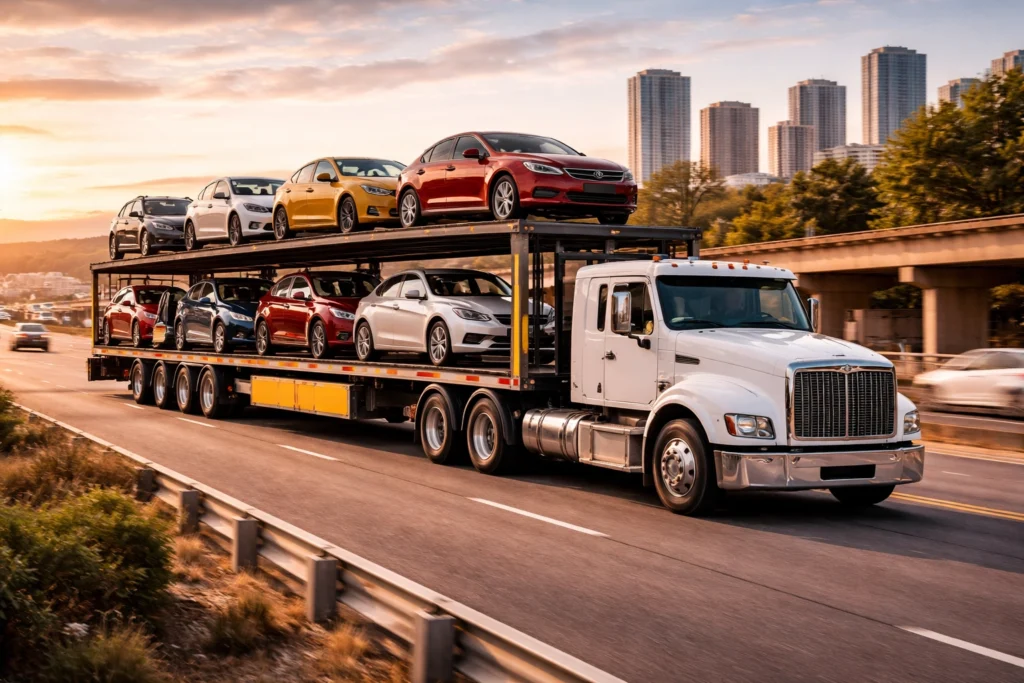
Open transport offers budget-friendly non running auto transport. The vehicle loads onto an open car carrier alongside multiple other vehicles. Cost savings versus enclosed transport typically range from thirty to fifty percent. This option works well for daily drivers with mechanical failure or project cars where cosmetics matter less than getting the vehicle to its destination.
Enclosed auto transport provides maximum protection for high value cars and fragile projects. The vehicle rides inside an enclosed trailer, shielded from weather, road debris, and observation. Classic car shipping often requires enclosed trailers for maximum protection, especially for non running classic cars with incomplete bodywork, exposed interior components, or sensitive paint, where enclosed carrier protection often justifies the premium pricing.
The tradeoffs are straightforward. Open transport exposes vehicles to rain, dust, and salt spray during cross country shipping. For a vehicle already compromised by mechanical failure, additional weathering might seem acceptable. For a restored European coupe or rare classic, enclosed transport prevents cosmetic damage that would require additional repair after delivery. Homeland Auto Transport quotes both options when available for the same route.
Flatbed trucks or special equipment are sometimes used for non running auto transport, especially when dealing with oversized vehicles that cannot be accommodated by standard carriers.
Open transport:
-
Lower cost, broader carrier availability
-
Weather and debris exposure during transit
-
Transports non running cars with other vehicles
Enclosed transport:
-
Premium pricing, maximum protection
-
Ideal for classic car shipping and restoration projects
How Homeland Auto Transport Vets Carriers and Equipment
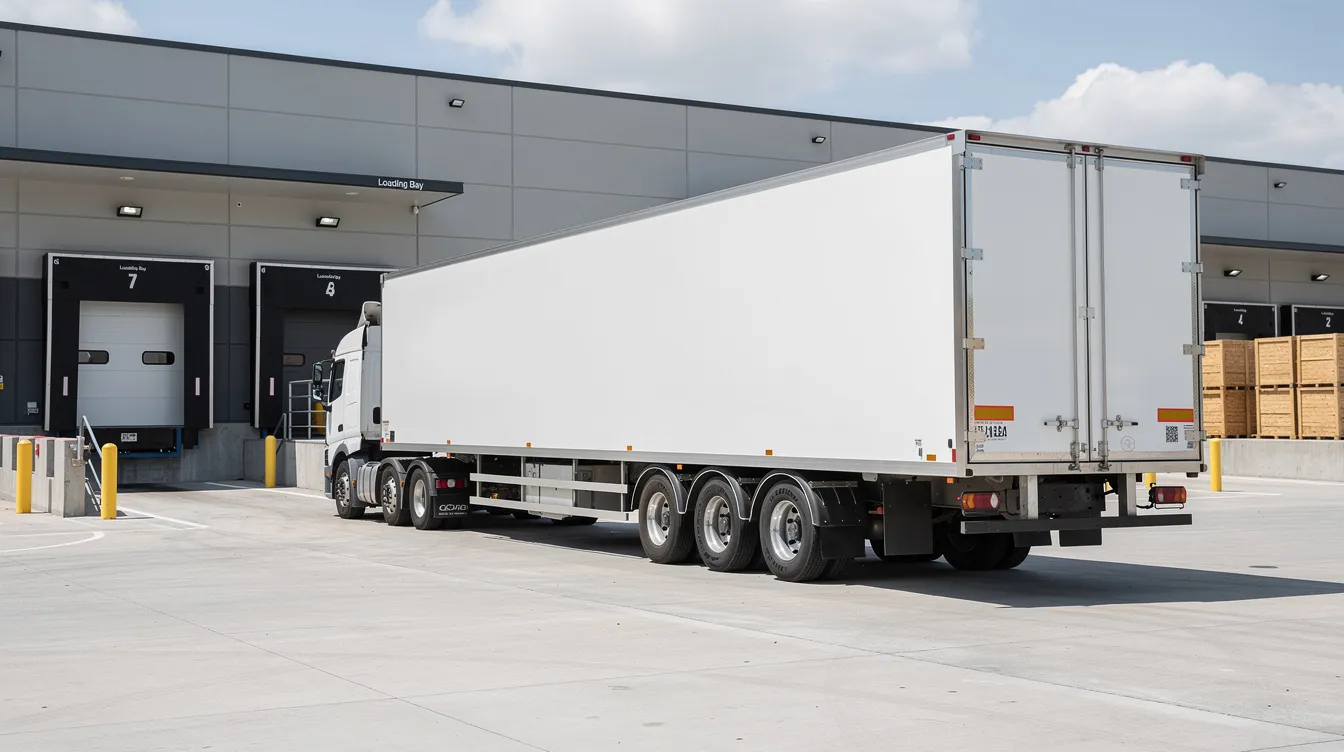
Carrier vetting separates professional auto transport services from risky alternatives. Homeland Auto Transport performs internal checks before assigning any carrier. This includes verification of active Department of Transportation authority, current cargo insurance coverage, and independently verifiable safety records.
Equipment verification focuses on non running capability. Carriers must demonstrate proper equipment: winches with adequate pulling capacity, soft straps that protect undercarriages, low-angle ramps for safe loading and unloading, and liftgates for enclosed trailers. Photos of actual carrier equipment confirm capabilities. The right auto transport company matches the right trailer to each vehicle’s specific condition.
Direct communication with drivers addresses access limitations, vehicle condition details, and loading challenges before pickup. This prevents failed attempts and ensures drivers arrive prepared with required equipment.
-
Active DOT authority and verified insurance before assignment
-
Equipment verification including winch capacity and ramp specifications
-
Clear documentation of surcharges linked to specific equipment needs
Before choosing a carrier, customers should check online reviews to ensure the reliability and reputation of the auto transport company.
Door to Door Service for Non Running Vehicles
True door to door service for non running vehicles differs from standard auto shipping. The loading process demands space and specific conditions. Standard transport trucks measure over sixty feet and require approximately forty feet of straight, level access.
When carriers cannot physically access a delivery location, meeting point service becomes necessary. Tight downtown streets, steep driveways, and complex parking areas may require customers to meet carriers at a nearby commercial lot. Smaller local trucks sometimes stage non running vehicles from inaccessible spots. A twenty-foot local truck navigates narrow streets more easily than a full-size carrier.
Apartment complexes, storage yards, and body shops present specific access challenges. Homeland Auto Transport coordinates timing so owners or shop managers can be present during pickup and delivery. Discussion of specific locations during booking determines whether direct access exists or meeting points become necessary.
What customers should prepare:
-
Clear pathway to the vehicle for carrier access
-
Confirmation of any height restrictions or overhead obstacles
-
Contact availability during the scheduled pickup window
Cost Factors in Non Running Auto Transport
Non running vehicle transport pricing starts with standard factors: distance, route popularity, vehicle size, and seasonal demand. The shipping method (open or enclosed transport) affects base rates. The cost to ship a non running vehicle is typically higher than for a running one, as inoperable status adds surcharges based on the car’s condition and equipment requirements.
Winches, forklifts, and extra labor create explicit surcharges on quoted rates. A vehicle that rolls versus one that requires forklift loading may see several hundred dollars difference in total cost. Geographic location also influences pricing. Remote rural areas command higher surcharges due to fewer specialized carriers. Urban corridors with more space and carrier competition often offer more competitive pricing.
Honest condition details prevent reattempt fees and storage charges. When carriers arrive expecting a vehicle that rolls but discover it cannot move, service refusal occurs. Previous misrepresentation often results in premium charges from subsequent carriers. Homeland Auto Transport provides upfront, line-item pricing with no hidden add-ons. SGT Auto Transport is also known for transparent pricing and specializes in shipping non running vehicles.
-
Distance and route demand affect base pricing
-
Vehicle condition determines equipment surcharges
-
Accurate reporting prevents failed pickups and penalty fees
Preparing a Non Running Car for Pickup
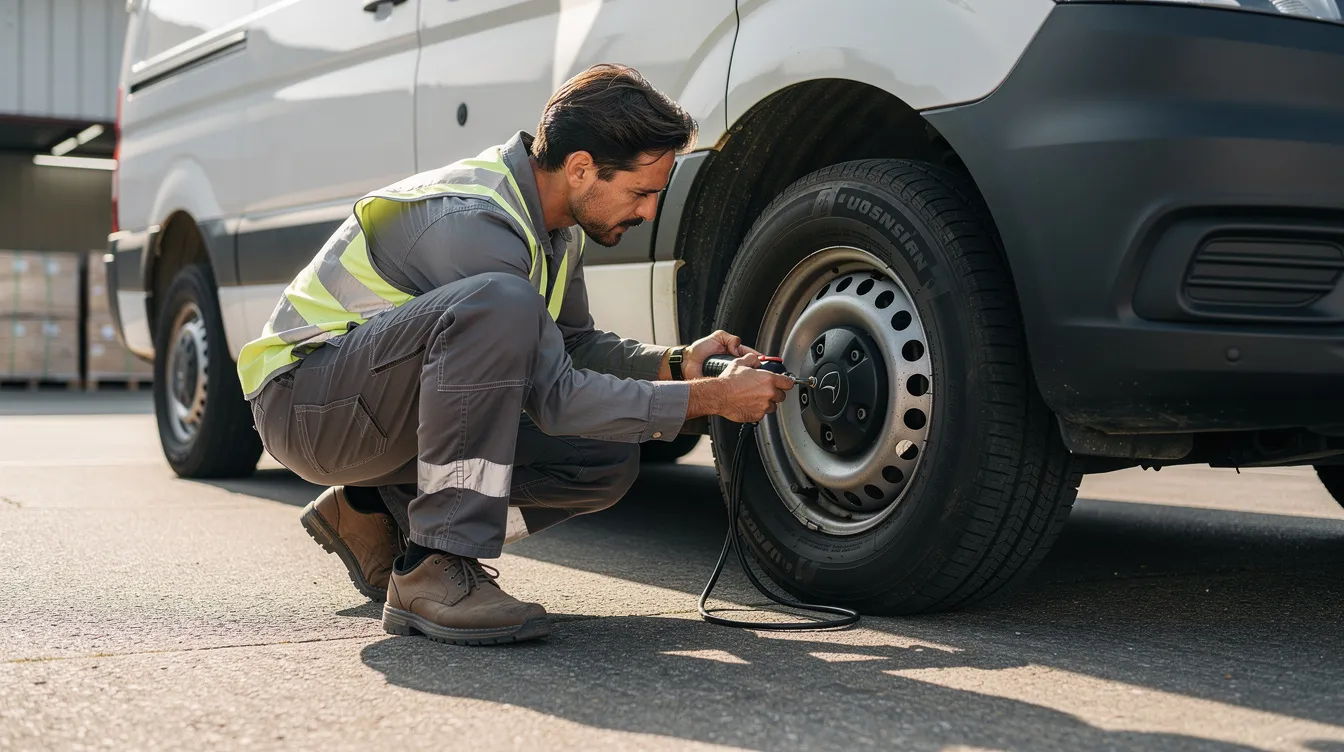
Proper preparation reduces loading time and minimizes damage risk. Reputable car shipping companies often provide preparation checklists and guidance for non running vehicles to ensure a smooth process. Clear a path to the vehicle so the carrier can position its equipment. Check tire pressure and inflate if possible so wheels roll smoothly. Secure or remove loose parts that might detach during movement. Clear personal belongings from the interior that might shift during transit.
Mechanical preparation addresses specific concerns. Disable alarm systems so they do not activate repeatedly during loading. Ensure the parking brake is off before the driver arrives. Drain leaking fuel if necessary and wipe obvious fluid trails near the parking spot. Gather vehicle keys even if the car cannot start. Locate titles or registration paperwork if needed by the carrier.
Preparation checklist:
-
Pathway cleared for carrier access
-
Tires properly inflated for rolling
-
Alarms disabled, parking brake released
-
Loose parts secured, interior clutter removed
-
Keys and documentation ready for driver
Documentation, Inspection, and Insurance Protection
Professional carriers perform detailed walkaround inspections before loading any non running vehicle. The driver documents existing dents, rust spots, missing parts, and cracked glass on the bill of lading. This baseline record protects both parties by establishing the vehicle’s pre-transport condition and is a crucial part of the shipping process for non running vehicles.
Customers should participate actively in this inspection. Point out known damage, missing components, or existing fluid leaks. Accuracy matters because discrepancies discovered after pickup become harder to address. Take dated photos at pickup showing the vehicle from multiple angles. These supplement written documentation and provide visual evidence if needed later.
Insurance coverage verification must occur before the vehicle loads. Carriers are legally required to carry active cargo insurance covering vehicles in transport. Homeland Auto Transport verifies coverage in advance and supports customers through any damage claim process if needed.
Ideal inspection routine:
-
Walk around vehicle with driver before loading
-
Confirm all existing damage noted on bill of lading
-
Take timestamped photos for personal records
-
Request and verify proof of cargo insurance
Working with Homeland Auto Transport on Your Non Running Vehicle
The process starts with gathering details about the vehicle’s current condition. Does it roll and steer? Can the brakes engage? What access exists at pickup and delivery locations? To ship a car that is non running, customers should provide detailed information about the vehicle’s condition so the right equipment and carriers are assigned. These answers determine which vetted carriers match the job. From there, Homeland Auto Transport assigns carriers and tracks each shipment through delivery.
The focus remains on trust, transparency, and clear expectations from the first car shipping quote through final delivery. Whether the vehicle is a non running classic car, an everyday commuter with a dead battery, or a specialty build in any state, the approach stays consistent. Shipping non running cars requires specialized handling and equipment. Share photos and a short description of the vehicle condition during booking so carriers arrive with the right equipment.
Contact Homeland Auto Transport for a tailored non running quote. Accurate details about your vehicle’s condition lead to accurate pricing and smooth transport from pickup to delivery location. Homeland Auto Transport can help you ship a non running vehicle efficiently and safely.
Simple Steps to Book Auto Transport
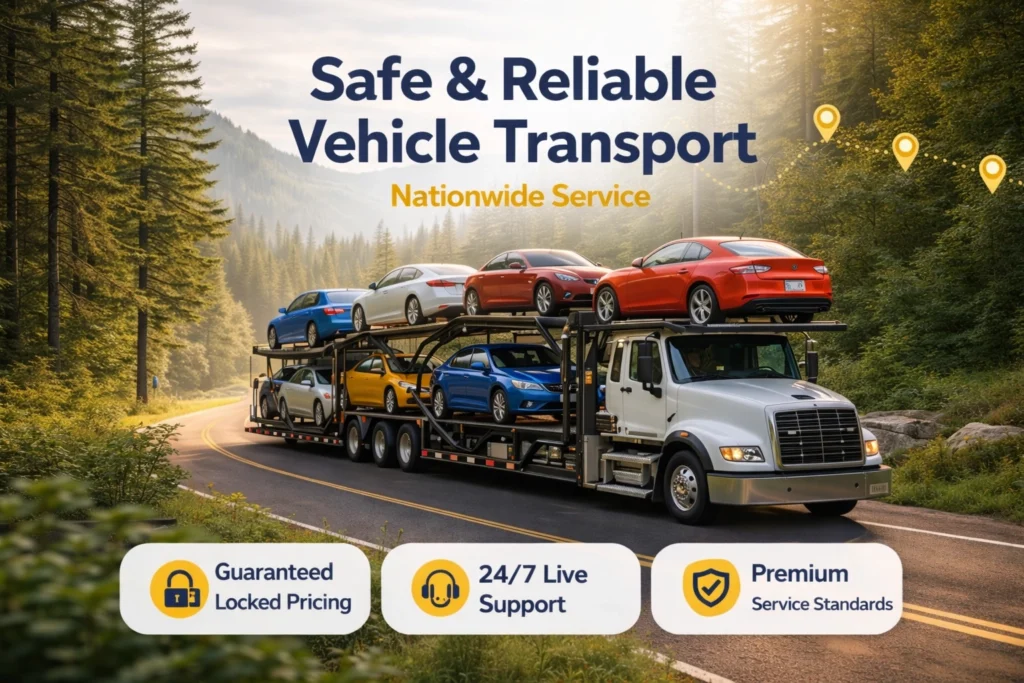
Need to transport your vehicle? We deliver safely and on time anywhere across the United States.
Quick Steps to Auto Transport

Step 1
Get a Quote and book

Step 2
We pick up your vehicle

Step 3
Receive delivery on time
Professional Transport Services
Auto Transport
Motorcycle Shipping
International Shipping
Get A Free
Instant Quote
Click below to get a free instant quote on your vehicle shipping service in just a few easy steps.
Why Choose Homeland Auto Transport?
Reasons to Trust Us With Your Vehicle Transport
Professional Auto Transport
We deliver reliable, nationwide vehicle shipping backed by experience and precision. Every shipment is handled with care, from dispatch to final delivery. Our network of vetted carriers ensures safe, on-time transport across all routes. With clear communication and dependable service, you always know your vehicle is in good hands.
Top Rated Service
We prioritize the safety of your vehicle at every stage of the transport process. Our fully vetted and insured carrier network ensures your shipment is handled with professionalism and care. From pickup to delivery, we maintain strict standards and clear communication so you always stay informed. With a focus on reliability and protection, you can trust us to deliver your vehicle safely and securely every time.
Always Available
Our team is available around the clock to support your vehicle transport needs. Whether you have questions, need updates, or want to book a shipment, we are here 24/7. You will always have direct access to real people who understand your shipment. With fast responses and consistent communication, we make the entire process smooth and stress-free.
Competitive Transport Pricing
We offer fair, market-driven pricing with no hidden fees or unexpected charges. Our rates are based on real-time transport data, ensuring you receive accurate and competitive quotes. With flexible options for every budget, we make it easy to ship your vehicle without overpaying. You get reliable service, strong value, and pricing you can trust from start to finish.
Nationwide Auto Transport
We provide reliable vehicle shipping across all 50 states, covering major cities and remote areas alike. Our extensive carrier network allows us to handle routes coast to coast with ease. Whether you are moving locally or across the country, we ensure consistent service and dependable delivery. No matter the distance, your vehicle is transported safely and efficiently nationwide.
White Glove Transport
We deliver a premium, hands-on transport experience designed for high-value vehicles and clients who expect more. Every detail is managed with precision, from careful carrier selection to priority scheduling and delivery. Your vehicle receives elevated protection and personalized attention at every step. With constant communication and a higher standard of care, we ensure a seamless, stress-free shipping experience.
FAQs
How does Homeland Auto Transport work?
Homeland Auto Transport makes vehicle shipping simple from start to finish. First, you request a quote online or by phone. We match your shipment with a vetted carrier in our nationwide network. Once scheduled, your vehicle is picked up at your location or nearby. During transit, we provide updates so you always know where your vehicle is. At delivery, you or your contact will inspect the vehicle and complete the process. We handle logistics, carrier coordination, and communication, so you can focus on your schedule while we manage the transport safely and efficiently.
How much does auto transport cost with Homeland Auto Transport?
The cost of auto transport depends on distance, vehicle type, transport method, and current market demand. At Homeland Auto Transport, we offer competitive, transparent pricing with no hidden fees. Open transport is the most affordable option, while enclosed transport offers added protection for high-value vehicles. Seasonal demand and route popularity can also affect pricing. We provide accurate, real-time quotes based on your exact route and vehicle details. Our goal is to give you a fair rate while ensuring your vehicle is picked up quickly and delivered safely anywhere in the United States.
Is my vehicle insured during transport?
Yes, every shipment booked through Homeland Auto Transport includes carrier insurance coverage. All carriers in our network are fully licensed and insured, meeting federal requirements. Before pickup, a detailed inspection report is completed to document your vehicle’s condition. Upon delivery, you will review the vehicle again to confirm it arrived safely. While damage is rare, insurance coverage provides peace of mind throughout the process. For high-value or specialty vehicles, we can also arrange enclosed transport options for added protection during transit across long distances or challenging routes.
How long does it take to ship a car nationwide?
Transit time depends on distance, route, and scheduling factors. Shorter routes may take 1–3 days, while cross-country auto transport typically takes 5–10 days. At Homeland Auto Transport, we work to secure fast pickups, often within 1–3 days of booking. Weather, traffic, and route demand can impact delivery times, but we always provide estimated timelines upfront. Our team stays in contact with carriers to ensure everything stays on schedule. We prioritize efficiency without compromising safety, so your vehicle arrives on time and in the same condition it was picked up.
What types of vehicles can Homeland Auto Transport ship?
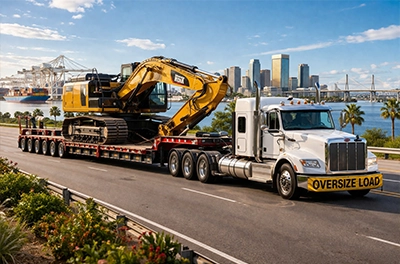
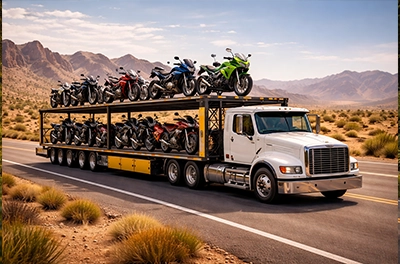
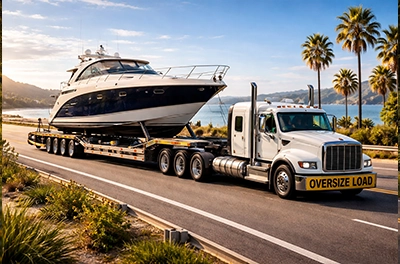
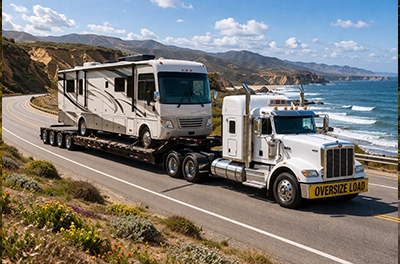
Homeland Auto Transport can ship nearly any type of vehicle nationwide. This includes standard cars, SUVs, trucks, motorcycles, luxury vehicles, classic cars, and even oversized or specialty equipment. Whether you need open or enclosed transport, we tailor each shipment to your needs. Our extensive carrier network allows us to handle both everyday vehicles and high-value transports with care. No matter the size, type, or destination, we coordinate the right equipment and carrier to ensure safe and reliable delivery across all 50 states.