
Inoperable Auto Transport

25+ Years Experience
Guaranteed Price
Licensed & Insured

Locked-In Pricing
Locked Rate Guarantee

24/7 Dedicated Support Team
Around-the-Clock Support

Nationwide Auto Transport
All 50 States Shipping

High-Quality Service Standards
Industry-Leading Standards
What Our Customer Say About Us
Inoperable Auto Transport
Moving a vehicle that refuses to start presents unique challenges. Standard car shipping assumes your vehicle can roll onto a trailer under its own power. When that is not possible, you need an auto shipper—a professional or service responsible for transporting non-running cars—equipped with the right tools, training, and experience.
Homeland Auto Transport coordinates inoperable auto transport nationwide, acting as an experienced auto transport company specializing in inoperable car shipping. We connect vehicle owners with vetted carriers capable of handling non-running units safely and efficiently.
Inoperable Auto Transport Services with Homeland Auto Transport
Homeland Auto Transport specializes in moving vehicles that cannot operate on their own power, making us the right auto transport company for inoperable vehicle transport services. Every week, our network transports non-running cars from homes, body shops, auctions, and dealerships across the country. We understand that a disabled vehicle creates urgency and stress.
Our team coordinates door-to-door open and enclosed transport for inoperable vehicles when access allows for large trucks. We serve major metro areas including Atlanta, Chicago, Dallas, Houston, Los Angeles, New York, and Phoenix. Common interstate routes like I-95 from Miami to Boston, I-10 spanning Los Angeles to Jacksonville, and I-80 connecting San Francisco to New Jersey see regular activity.
What sets our service apart:
-
Every carrier in our network carries full cargo insurance
-
Drivers are vetted for winch loading experience with non-running units and are trained to safely load and transport your car safely, even when it cannot be driven
-
Written confirmations document vehicle condition before pickup
-
No surprise charges once the inoperable status is documented
-
Transparent communication from quote to delivery
Trust builds from our strict vetting process. We confirm every carrier can manage the stated condition before assignment. Local adaptations matter too. Our network navigates narrow streets in Seattle and weight-restricted bridges near Denver with equal competence.
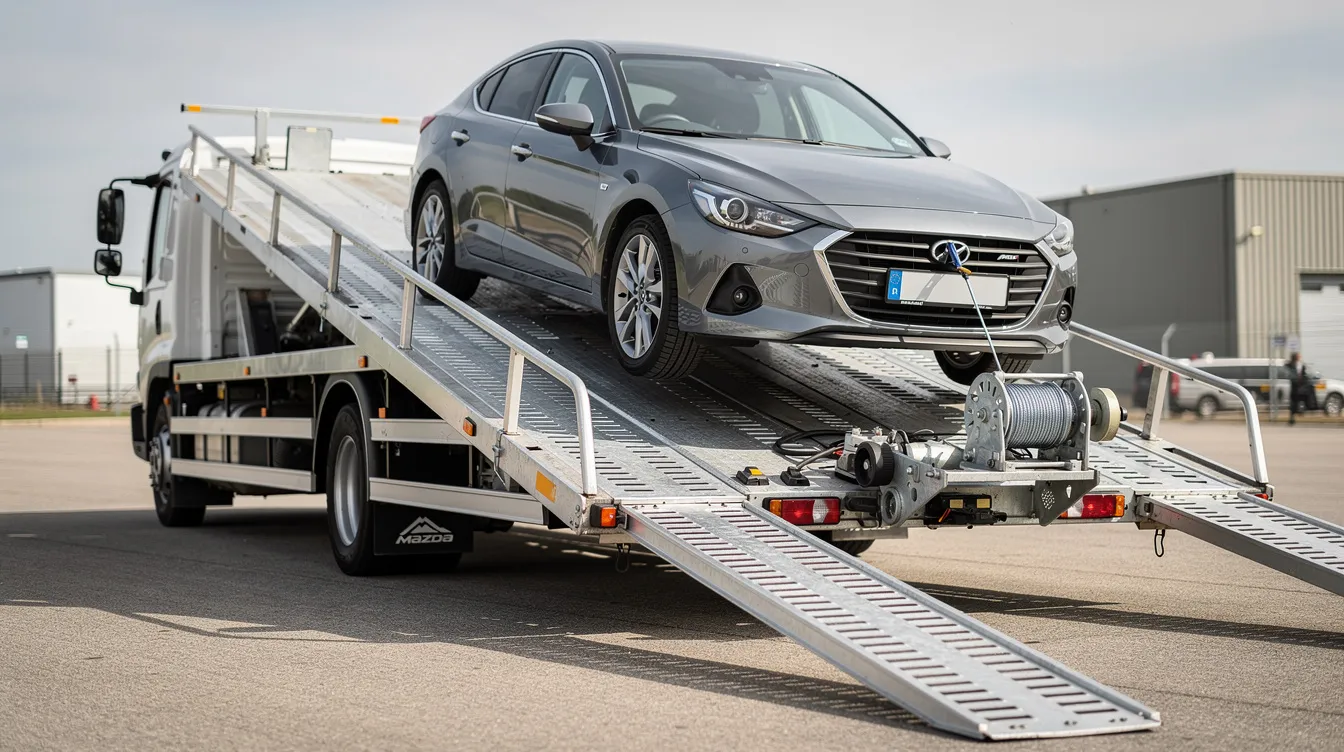
What Is an Inoperable or Non-Running Vehicle?
An inoperable vehicle cannot start, move, or safely drive onto a carrier independently. This definition covers a wide range of conditions. A dead battery qualifies. So does severe collision damage, a missing engine, or a locked transmission preventing wheel movement.
Common examples include:
-
A disabled SUV at a Houston repair shop with bent axles that prevent rolling
-
A project classic car in a Los Angeles driveway with flat tires and a dead battery
-
An auction-purchased sedan in Chicago with a seized transmission requiring full winch extraction
-
Flood-damaged vehicles with hydro-locked engines
-
Long-term storage units with rusted brakes and seized steering
Repair shops can often provide valuable information about a vehicle’s inoperable status or recommend reputable inoperable auto transport providers.
The distinction matters for pricing and logistics. Some vehicles roll, steer, and brake but cannot start. These are easier and cheaper to load. Others do not roll at all. A non running vehicle requiring dollies or forklifts demands extra labor and specialized equipment.
Homeland Auto Transport asks detailed condition questions before quoting. We need to know the vehicle model, car’s condition—including battery status, wheel mobility, steering lock, and any leaks—to provide accurate quotes. This information prevents pickup rejections and unexpected towing fees.
How Inoperable Auto Transport Works from Pickup to Delivery
The auto shipping process for inoperable vehicles, also known as car transport for non-running cars, follows a clear sequence. Understanding each step helps you prepare and set expectations.
Quote Request: You provide vehicle make, model, exact condition, pickup and delivery locations, and preferred dates. We assess access at both ends. Narrow cul-de-sacs in Atlanta suburbs or apartment complexes in Dallas require early identification.
Carrier Dispatch: Our team matches your load to a vetted carrier with winches, soft straps, and non-op experience. We have extensive experience shipping cars in various conditions, including non-running or damaged vehicles. Three-car haulers with wedge trailers work well for low-clearance units common on Midwest routes.
Pickup Process: The driver arrives, inspects site access for the large rig, and verifies condition against booking notes. A bill of lading is created with photos documenting dents, leaks, or sharp edges.
Loading: Using winches at controlled speeds, the driver pulls the vehicle up extended ramps. Dollies handle locked wheels. Heavy-duty wheel straps secure all corners before departure.
Transit: Your vehicle travels along major interstates. We provide updates via phone to confirm ETAs. Weather or traffic in regions like the Rockies or Northeast snow belts may affect timing.
Delivery: Unloading mirrors pickup. Inspection, signatures, and final photos confirm intact delivery at your home, repair facility, auction yard, or storage facility.
Specialized Equipment for Loading Non-Running Vehicles
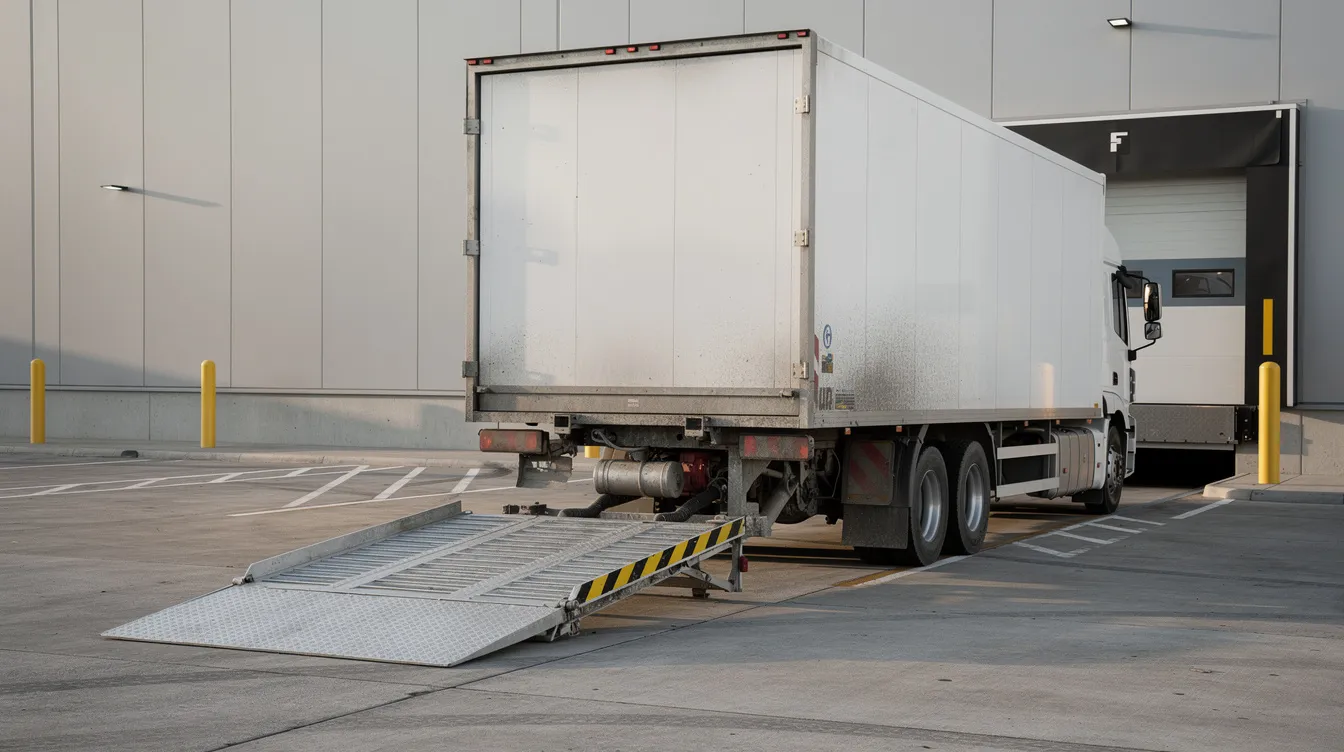
Safe transport of an inoperable car requires proper equipment that standard carriers may lack. Most auto shipping companies do not carry the specialized equipment required for inoperable vehicles, such as winches or extended ramps. Not every truck in the auto transport industry carries winches or extended ramps.
Key equipment includes:
|
Equipment |
Purpose |
Capacity |
|---|---|---|
|
Electric/Hydraulic Winches |
Pull vehicles up ramps |
10,000-20,000 lbs pull force |
|
Extended Ramps |
Reduce incline angle |
15-20 degree angles |
|
Hydraulic Lift Gates |
Ground-level loading |
Ideal for low-profile vehicles |
|
Wheel Dollies/Skates |
Roll locked axles |
Distribute weight evenly |
|
Soft Nylon Straps |
Pull without paint damage |
Replace chains for protection |
Trained drivers position ramps straight to avoid turns that snag bumpers. Spotters assist in tight spots. This careful approach cuts damage rates significantly compared to untrained hauls.
Homeland Auto Transport only assigns carriers that confirm they have the right equipment for your vehicle’s condition. A classic vehicle with a locked transmission needs different handling than a running car with minor damage.
Securing Inoperable Vehicles for Safe Transit
Loading is only half the challenge. Correct securement keeps your vehicle safely in place across thousands of miles.
Drivers use heavy-duty wheel straps rated for 5,000 pounds per corner. These loop through reinforced hub points and ratchet tight. Soft, wide nylon tie-downs wrap chassis anchor points without marring paint.
Critical securement practices:
-
Position front-heavy collision vehicles forward on the deck for balance
-
Recheck strap tensions after the first 50-100 miles
-
Use wheel-specific soft straps over axle chains to protect suspensions
-
Maintain balanced axle weight for trailer stability
This matters most on rough interstates. Nebraska stretches of I-80 get windy. I-10’s Gulf Coast curves demand stability. Mountain descents near Denver test every strap and anchor point.
Homeland Auto Transport prioritizes carriers using soft straps on wheels. This protects suspensions on luxury units or project cars traveling from body shops in Houston to auctions in Orlando.
Open, Enclosed, and Flatbed Options for Inoperable Auto Transport
Choosing the right shipping method depends on your vehicle’s value, condition, and your budget. Each option serves different needs.
Open Transport:
-
Most common and cost-efficient choice
-
Handles 80-90% of non-running moves
-
Winch-equipped decks for standard sedans or SUVs
-
Best for budget-conscious moves along popular routes like I-95
Enclosed Transport:
-
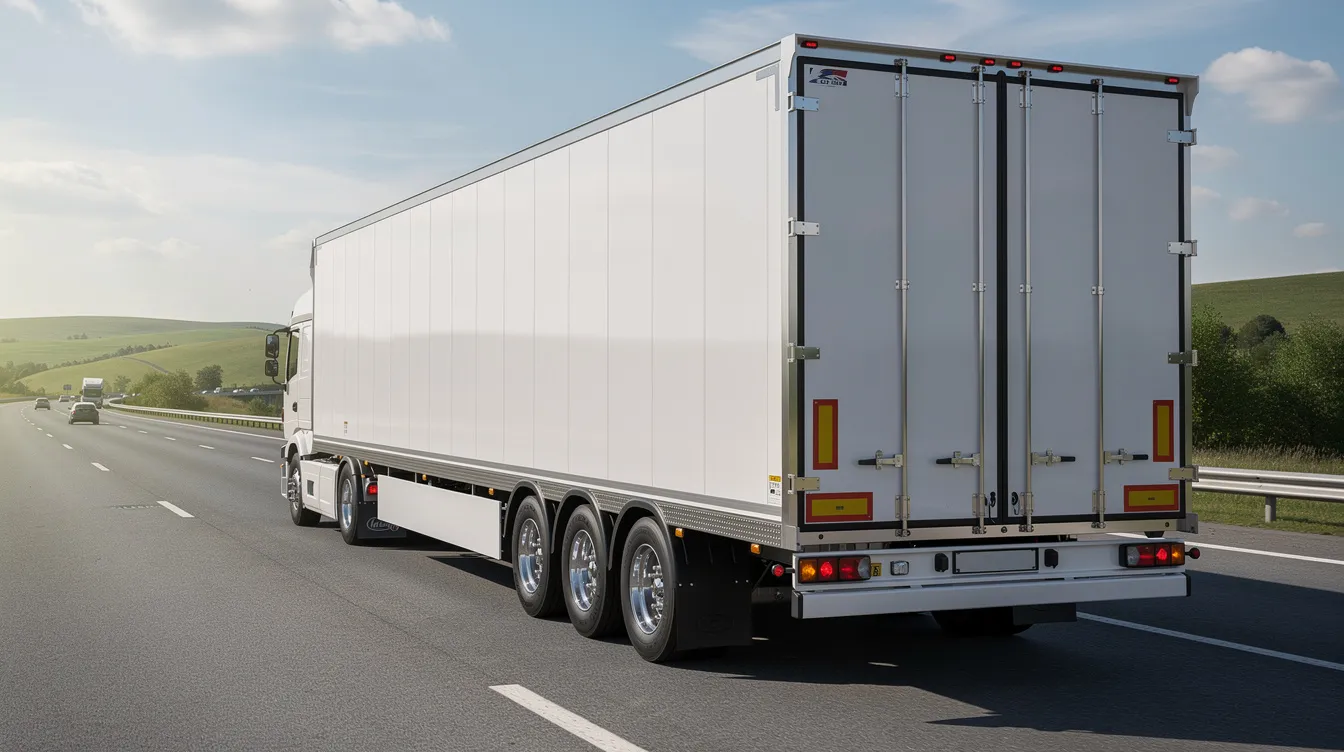
Fully weatherproof with internal padding
-
Ideal for classic car transport and luxury vehicles, especially for non running classic cars
-
Using an enclosed trailer provides maximum protection from weather, road hazards, and theft, making it the preferred choice for shipping valuable or delicate vehicles that are inoperable
-
Equipped with lift gates or winches for inoperable units
-
Costs 30-50% more than open carriers
-
Perfect for barn finds moving from rural Midwest to Los Angeles shows
Flatbed Transport:
-
Excels for short hauls under 500 miles
-
Works for oversized vehicles or severely wrecked units
-
Easy ramp access with 20-40 foot stakebeds
-
Often used for auction moves in Dallas or Phoenix
Homeland Auto Transport guides choices based on your budget and risk tolerance. An enclosed carrier protects a valuable classic car from road debris. Open transport works perfectly for a project car heading to a restoration shop. For vehicles that cannot be driven, non running car shipping is a specialized service ensuring safe and secure handling.
Pricing Factors for Shipping a Non-Running Car
The cost to ship an inoperable vehicle exceeds that of a running vehicle. Labor costs, specialized equipment, and scarcer carrier availability drive this premium. Expect 20-50% higher rates than operational vehicle moves.
Primary pricing factors:
|
Factor |
Impact on Price |
|---|---|
|
Distance |
$1.50-$3 per mile cross-country |
|
Route Popularity |
Direct I-80 cheaper than rural detours |
|
Vehicle Size |
Larger or heavier vehicles require more space on the carrier, which increases shipping costs by 10-20% |
|
Vehicle Condition |
Non-rollers cost more than rollers |
|
Transport Type |
Enclosed adds $500-$1,500 |
Example scenarios:
A disabled sedan from Chicago to Dallas that rolls and steers: $1,200-$1,800. That same car with flat tires and locked wheels requiring dollies: $1,800-$2,500.
Rural pickups in upstate New York demand extra coordination. Tight city streets in San Francisco may require meeting the truck nearby. These factors add $100-$300.
Homeland Auto Transport delivers itemized quotes. You see exactly what non-op fees, fuel surcharges, and access adjustments contribute. No hidden costs. Accurate pricing from the start.
Preparing Your Inoperable Vehicle for Pickup
Better preparation reduces loading time, risk, and the chance of additional cost. Follow this checklist before your carrier arrives.
Remove items:
-
All personal belongings from interior and trunk
-
Personal items like garage remotes and toll tags
-
Loose parts, roof racks, and fragile mirrors
-
Aftermarket antennas that could catch on straps
Check the vehicle:
-
Inflate tires to 30-40 PSI if possible (helps with dollies)
-
Unlock steering by turning wheels straight
-
Provide one working key, even for non-starters
-
Note any leaks, sharp fenders, or exposed edges for the driver
Prepare the location:
-
Clear 50-100 feet of straight-line access
-
Remove low branches, trash cans, and parked vehicles
-
Ensure gravel or grass is firm enough for heavy trucks
Inadequate access in cul-de-sacs near Phoenix or narrow driveways in Seattle forces tows. These add $150-$400 to your total. A few minutes of preparation prevents this.
Door-to-Door Inoperable Auto Transport and Access Limits
Door-to-door service means we aim to pick up and deliver at your exact addresses. Carriers using 53-foot semis need adequate space. Reality sometimes limits direct access.
Common access challenges:
-
Residential streets under 10 feet wide
-
Apartment gates barring vehicles over 12 feet tall
-
Downtown zones with weight restrictions under 40 tons
-
Low tree branches blocking trailer clearance
-
Narrow cul-de-sacs without turnaround space
Homeland Auto Transport assesses access during booking using mapping tools and customer photos. When direct access is not possible, we arrange safe nearby meeting points. Gas stations or parking lots within 5-20 miles work well.
Short local tows handle severely disabled cars stuck in impossible spots. A tow truck moves your vehicle to an accessible location. This costs $100-$250 but keeps the shipping process on track.
We review these details before confirming your booking. You understand the exact plan. No surprises at pickup. Safety and clear communication guide every decision.
Why Choose Homeland Auto Transport for Inoperable Vehicles
Customers rely on Homeland Auto Transport for non-running and damaged vehicle moves nationwide. When shipping inoperable vehicles, it is crucial to choose a reputable, insured, and experienced transport company to ensure your car is handled safely and securely. Our strengths center on preparation, communication, and carrier quality.
Our advantages:
-
Vetted carrier network with minimum $100,000 insurance coverage per vehicle
-
Winch proficiency verified before assignment
-
Clean driving records required
-
Experience with salvage, project cars, and auction vehicles
-
Open or enclosed transport matched to your needs
We understand urgency. A vehicle stuck at a shop needs to move when the repair is done. An auction purchase has release deadlines. A storage lot charges daily fees. Time matters.
Communication defines our service. Honest quotes detail condition-specific costs. Updates arrive as your truck approaches pickup and delivery. Questions get answered promptly.
Check online reviews from past customers. Many auto transport companies promise reliability. We deliver it through careful planning and vetted carriers.
Contact Homeland Auto Transport directly for a detailed, condition-based car shipping quote. We are ready to coordinate your next inoperable vehicle transport.
Common Conditions and Special Cases in Inoperable Auto Transport
Almost any vehicle condition can be planned for with proper disclosure. Common scenarios include light collision damage, drivetrain failure, flood exposure, and long-term storage deterioration. For inoperable cars, we address unique challenges by using specialized equipment such as lift gates, ramps, and winches, and ensure drivers have the necessary safety training for careful handling during loading and unloading. Expedited shipping is available for urgent transport needs, typically arranging pickup within approximately three days for special cases.
Typical conditions we handle:
-
Light Collisions: Frame bent but wheels still roll. Requires careful positioning during loading.
-
Drivetrain Failure: Seized rear differentials or locked transmissions. Dollies or skates lift and move these vehicles.
-
Flood Damage: Hydro-locked engines with potential fluid leaks. Extra attention to securing and protecting other vehicles on the carrier.
-
Long-Term Storage: Rusted brakes and seized steering. Winch-only loading necessary.
Some vehicles roll and steer but lack brakes. This affects loading position and route planning. Severely damaged units may require forklifts at auctions, arranged in advance with the facility.
Tell Homeland Auto Transport if your vehicle is missing wheels or has locked axles. If it is completely inoperable with no rolling capability, we match accordingly. Full disclosure early prevents delays, rejections at pickup, or unexpected local fees.
Working with Body Shops, Auctions, and Storage Facilities
Many car shipping companies struggle with commercial location pickups. Homeland Auto Transport coordinates directly with body shops, auction yards, and storage managers to ensure smooth loading.
What we handle:
-
Scheduling within gate hours and business windows
-
Obtaining lot numbers and specific parking locations
-
Managing release forms and authorization paperwork
-
Coordinating with facility staff when owners cannot be present
Drivers obtain signatures, photographs, and condition notes from authorized facility personnel. This documentation protects everyone and confirms the car’s condition at pickup.
Early communication with facilities keeps moves on schedule. Busy Los Angeles body shops releasing collision inops need advance notice. Florida auction yards with hundreds of non-running vehicles require precise lot identification.
We contact facilities before pickup day. We confirm release authorization, parking location, and any access restrictions. This preparation prevents wasted trips and delays.
Whether your vehicle sits at a Manheim auction in Atlanta, a collision shop in Houston, or a storage yard in Phoenix, Homeland Auto Transport manages the coordination. Your only job is providing accurate information upfront.
Simple Steps to Book Auto Transport
Need to transport your vehicle? We deliver safely and on time anywhere across the United States.
Quick Steps to Auto Transport

Step 1
Get a Quote and book

Step 2
We pick up your vehicle

Step 3
Receive delivery on time
Professional Transport Services

Auto Transport
Motorcycle Shipping
International Shipping
Get A Free
Instant Quote
Click below to get a free instant quote on your vehicle shipping service in just a few easy steps.
Why Choose Homeland Auto Transport?
Reasons to Trust Us With Your Vehicle Transport
Professional Auto Transport
We deliver reliable, nationwide vehicle shipping backed by experience and precision. Every shipment is handled with care, from dispatch to final delivery. Our network of vetted carriers ensures safe, on-time transport across all routes. With clear communication and dependable service, you always know your vehicle is in good hands.
Top Rated Service
We prioritize the safety of your vehicle at every stage of the transport process. Our fully vetted and insured carrier network ensures your shipment is handled with professionalism and care. From pickup to delivery, we maintain strict standards and clear communication so you always stay informed. With a focus on reliability and protection, you can trust us to deliver your vehicle safely and securely every time.
Always Available
Our team is available around the clock to support your vehicle transport needs. Whether you have questions, need updates, or want to book a shipment, we are here 24/7. You will always have direct access to real people who understand your shipment. With fast responses and consistent communication, we make the entire process smooth and stress-free.
Competitive Transport Pricing
We offer fair, market-driven pricing with no hidden fees or unexpected charges. Our rates are based on real-time transport data, ensuring you receive accurate and competitive quotes. With flexible options for every budget, we make it easy to ship your vehicle without overpaying. You get reliable service, strong value, and pricing you can trust from start to finish.
Nationwide Auto Transport
We provide reliable vehicle shipping across all 50 states, covering major cities and remote areas alike. Our extensive carrier network allows us to handle routes coast to coast with ease. Whether you are moving locally or across the country, we ensure consistent service and dependable delivery. No matter the distance, your vehicle is transported safely and efficiently nationwide.
White Glove Transport
We deliver a premium, hands-on transport experience designed for high-value vehicles and clients who expect more. Every detail is managed with precision, from careful carrier selection to priority scheduling and delivery. Your vehicle receives elevated protection and personalized attention at every step. With constant communication and a higher standard of care, we ensure a seamless, stress-free shipping experience.
FAQs
How does Homeland Auto Transport work?
Homeland Auto Transport makes vehicle shipping simple from start to finish. First, you request a quote online or by phone. We match your shipment with a vetted carrier in our nationwide network. Once scheduled, your vehicle is picked up at your location or nearby. During transit, we provide updates so you always know where your vehicle is. At delivery, you or your contact will inspect the vehicle and complete the process. We handle logistics, carrier coordination, and communication, so you can focus on your schedule while we manage the transport safely and efficiently.
How much does auto transport cost with Homeland Auto Transport?
The cost of auto transport depends on distance, vehicle type, transport method, and current market demand. At Homeland Auto Transport, we offer competitive, transparent pricing with no hidden fees. Open transport is the most affordable option, while enclosed transport offers added protection for high-value vehicles. Seasonal demand and route popularity can also affect pricing. We provide accurate, real-time quotes based on your exact route and vehicle details. Our goal is to give you a fair rate while ensuring your vehicle is picked up quickly and delivered safely anywhere in the United States.
Is my vehicle insured during transport?
Yes, every shipment booked through Homeland Auto Transport includes carrier insurance coverage. All carriers in our network are fully licensed and insured, meeting federal requirements. Before pickup, a detailed inspection report is completed to document your vehicle’s condition. Upon delivery, you will review the vehicle again to confirm it arrived safely. While damage is rare, insurance coverage provides peace of mind throughout the process. For high-value or specialty vehicles, we can also arrange enclosed transport options for added protection during transit across long distances or challenging routes.
How long does it take to ship a car nationwide?
Transit time depends on distance, route, and scheduling factors. Shorter routes may take 1–3 days, while cross-country auto transport typically takes 5–10 days. At Homeland Auto Transport, we work to secure fast pickups, often within 1–3 days of booking. Weather, traffic, and route demand can impact delivery times, but we always provide estimated timelines upfront. Our team stays in contact with carriers to ensure everything stays on schedule. We prioritize efficiency without compromising safety, so your vehicle arrives on time and in the same condition it was picked up.
What types of vehicles can Homeland Auto Transport ship?
Homeland Auto Transport can ship nearly any type of vehicle nationwide. This includes standard cars, SUVs, trucks, motorcycles, luxury vehicles, classic cars, and even oversized or specialty equipment. Whether you need open or enclosed transport, we tailor each shipment to your needs. Our extensive carrier network allows us to handle both everyday vehicles and high-value transports with care. No matter the size, type, or destination, we coordinate the right equipment and carrier to ensure safe and reliable delivery across all 50 states.