
Car Shipping Insurance

25+ Years Experience
Guaranteed Price
Licensed & Insured

Locked-In Pricing
Locked Rate Guarantee

24/7 Dedicated Support Team
Around-the-Clock Support

Nationwide Auto Transport
All 50 States Shipping

High-Quality Service Standards
Industry-Leading Standards
What Our Customer Say About Us
Car Shipping Insurance Explained
Moving a vehicle across state lines raises important questions about protection. What happens if something goes wrong during transit? Who pays for damage? These concerns keep many vehicle owners up at night.
Car shipping insurance exists to answer those questions directly. When you ship a car from one city to another, the carrier’s insurance policies protect your vehicle throughout the journey. This coverage activates the moment your vehicle enters carrier custody and stays active until delivery.
Homeland Auto Transport works exclusively with vetted carriers who maintain proper insurance coverage. This guide breaks down how car shipping insurance works, what it covers, and how to protect yourself before, during, and after transport. Every route from coast to coast operates under these same principles.
Car Shipping Insurance Basics
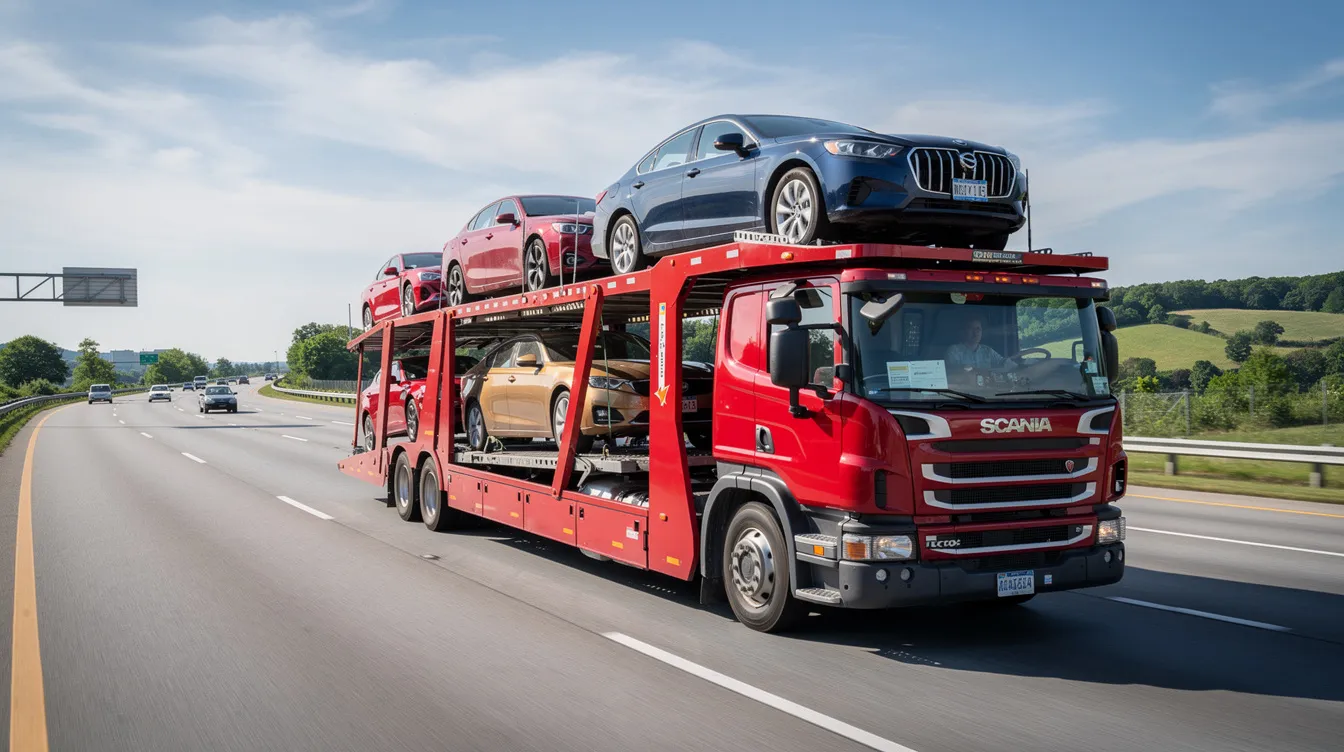
Car shipping insurance protects your vehicle while it travels on a carrier’s transport truck. This coverage is separate from your personal auto insurance. It addresses damage that occurs during loading, transit, and unloading phases.
Federal regulations require every legitimate motor carrier to maintain specific insurance levels. The Federal Motor Carrier Safety Administration mandates a minimum of $750,000 in public liability insurance. This covers bodily injury and property damage from incidents involving the transport vehicle itself.
Beyond public liability, carriers must carry cargo insurance. This coverage directly safeguards the vehicles under their custody. Typical cargo insurance coverage ranges from $100,000 to $300,000.
Here is what every vehicle owner should understand:
-
Carrier insurance activates only while your vehicle is in the carrier’s care
-
Coverage starts at pickup and ends at delivery
-
Public liability protects against third-party harms
-
Cargo insurance protects your actual vehicle
-
Every carrier Homeland Auto Transport dispatches maintains verified, active coverage
Routes like auto transport Miami Florida to Atlanta Georgia or Dallas Texas to Orlando Florida see high shipping volumes. On these corridors, carriers handle dozens of vehicles weekly. Each vehicle falls under the carrier’s insurance umbrella during transport.
Homeland Auto Transport refuses to work with any carrier lacking adequate cargo and liability proofs. This vetting process ensures protection before your vehicle ever leaves the driveway. Trust and transparency guide every decision, from carrier selection to delivery confirmation.
Why Car Shipping Insurance Matters
A family recently shipped their sedan from Phoenix Arizona to Charlotte North Carolina. During highway travel, debris from a passing truck struck the rear quarter panel. The impact left a noticeable dent and paint damage. Because the carrier maintained proper cargo insurance, the repair costs were fully covered. The family filed a claim, documented the new damage, and received compensation without paying a deductible.
This scenario illustrates why car shipping insurance matters for every vehicle owner. Most shipments arrive without incident. Industry estimates suggest over 95% of transported vehicles reach their destinations damage-free. But that small percentage of claims represents real vehicles and real financial stakes.
Key risks during auto transport cluster around specific moments:
-
Loading and unloading phases where hydraulic failures or mishandling cause shifts
-
Highway debris striking vehicles on open carriers during long interstate stretches
-
Tight urban maneuvering in congested streets of cities like Chicago Illinois or Newark New Jersey
-
Weather exposure on extended routes from coast to coast
The financial impact of uninsured damage hits hardest on higher value vehicles. Repair costs for SUVs or pickups can exceed $5,000 for seemingly minor body work. Mirror replacements, paint correction, and panel repairs add up quickly. Without proper insurance coverage, these costs fall entirely on the vehicle owner.
Peace of mind matters for families relocating to new states, college students shipping vehicles to campus, and military members transferring between bases. Knowing that vetted auto transport carriers maintain active insurance allows these customers to focus on their move rather than worry about potential damage.
Types of Car Shipping Insurance Coverage
Homeland Auto Transport coordinates only with carriers maintaining multiple coverage layers. Understanding each type helps vehicle owners recognize their protection level before booking any shipment.
Basic liability coverage forms the foundation of every carrier’s insurance structure. This coverage comes bundled into standard shipping quotes at no extra charge. Public liability insurance focuses on third-party harms. If the transport truck causes an accident affecting other motorists or property, this coverage responds.
Cargo insurance targets your shipped vehicle directly. This coverage protects against fire, vandalism, theft, and accident-related structural damage during transit. Cargo coverage activates when carrier negligence causes harm. Examples include faulty securing straps, improper loading techniques, or collisions during highway travel.
Here is how the main coverage types break down:
-
Basic liability coverage: Protects against third-party injury and property damage; federally mandated at $750,000 minimum
-
Cargo insurance: Covers physical damage to transported vehicles from carrier actions; typical limits range $100,000 to $300,000
-
Supplemental insurance: Optional gap coverage for high-value classics, customs, or exotic vehicles; elevates protection beyond standard limits
For high-value vehicles, optional supplemental coverage bridges limitations of standard policies. A collector car shipped via enclosed auto transport from Los Angeles California to Miami Florida might warrant elevated limits up to $250,000 or $300,000. Enclosed carriers typically transport fewer vehicles, meaning those higher limits provide greater per-vehicle protection.
Homeland Auto Transport matches coverage levels to vehicle needs. Daily drivers on standard routes often receive adequate protection from basic cargo insurance. Luxury vehicles and classics may benefit from enclosed transport with elevated coverage expectations. The right transport company discusses these options before dispatch.
What Carrier Insurance Usually Covers
Coverage depends on the specific carrier policy that Homeland Auto Transport verifies before scheduling any pickup. Reputable carriers maintain comprehensive cargo insurance covering damage throughout all transport phases.
Standard carrier’s cargo insurance covers damage from carrier negligence during loading, transit, and unloading. This includes incidents where securing equipment fails, where drivers navigate poorly, or where accidents occur on the highway. The carrier’s policy responds when their actions or equipment cause harm to your vehicle.
Typically covered events include:
-
Damage during loading when improper ramps cause undercarriage scrapes
-
Transit accidents from pothole impacts or highway debris strikes
-
Collisions on interstates like I-95 resulting in body panel dents
-
Unloading mishaps in residential areas where equipment malfunctions
-
Fire outbreaks on the transport truck
-
Hydraulic lift failures dropping vehicles
-
Low-clearance bridge scrapes affecting vehicles on upper racks
-
Theft or vandalism during transport layovers
Consider a mirror damaged during tight maneuvering in downtown Boston Massachusetts. If the carrier’s equipment or driving caused that damage, the cargo policy covers repair costs. Similarly, body damage from a trailer collision qualifies under standard policies.
The critical requirement is documentation. Properly documented new damage at delivery is eligible for a claim. This means noting any damage on the bill of lading before the driver departs. Without that documentation, even legitimate damage may face claim challenges.
Homeland Auto Transport streamlines this process by verifying insurance certificates upfront. This guarantees carrier responsiveness on routes prone to challenging conditions, from Denver Colorado to Tampa Florida and everywhere between.
Common Exclusions and Limitations
Carrier insurance policies do not cover everything. Understanding exclusions prevents unpleasant surprises and helps vehicle owners prepare properly.
Personal items inside the vehicle are almost never covered by carrier policies. Electronics, luggage, clothing, and valuables in trunks remain at the owner’s risk. Car shipping companies consistently exclude personal belongings from cargo coverage. If theft occurs during transport, those items receive no compensation under carrier insurance.
Common exclusions in standard insurance policies include:
-
Personal items and belongings left inside the vehicle
-
Pre existing damage documented before pickup
-
Mechanical breakdowns unrelated to transport forces
-
Fluid leaks from worn seals or aging components
-
Normal wear like tire tread erosion on long hauls
-
Surface scratches from road grime or weather on open carriers
-
Aftermarket accessories unless explicitly disclosed and secured
-
Pre existing scratches or cosmetic issues noted at pickup
Concrete examples clarify these limitations. A check engine light appearing after a move from Denver Colorado to Tampa Florida typically falls outside coverage. Unless the carrier’s actions directly caused mechanical failure, existing damage or normal wear does not qualify for claims.
Aftermarket additions present specific challenges. Roof racks, spoilers, custom mirrors, or unsecured accessories often fall outside coverage unless disclosed beforehand. Vehicle owners should photograph and document all modifications before shipping.
These exclusions highlight why preparation matters. Remove personal items completely. Document existing damage thoroughly. Secure loose parts before the carrier arrives. These steps protect coverage eligibility and reduce dispute potential on any shipping route.
Carrier Insurance vs Personal Auto Insurance
During commercial transport, the carrier’s cargo insurance acts as primary coverage for vehicle damage. This creates an important distinction from personal auto insurance that many vehicle owners misunderstand.
Your personal auto insurance covers you while you drive. It typically does not extend to situations where a third party operates or transports your vehicle commercially. Many personal policies explicitly exclude shipping scenarios from their coverage terms.
The relationship between these coverage types works like this:
-
Carrier cargo insurance: Primary coverage during transport; responds to carrier negligence
-
Personal auto insurance: May offer limited or secondary protection; varies by policy
-
Comprehensive coverage: Sometimes extends to non-collision damage during transport; confirm with your insurer
-
Collision coverage: Usually applies only to owner-operated accidents
A driver in Houston Texas shipping to Raleigh North Carolina should call their insurance provider before transport. Many discover that collision coverage only applies while they personally drive. Their policy may leave transport gaps that carrier insurance fills.
Action steps before booking vehicle shipping:
-
Contact your personal insurance agent to clarify coverage during transport
-
Ask specifically about comprehensive and collision extensions
-
Confirm whether your policy provides any secondary protection
-
Document the conversation for your records
Homeland Auto Transport does not sell personal insurance policies. The company coordinates exclusively with properly insured carriers whose cargo policies provide primary protection. Personal policies may backstop specific perils in some states, but primary reliance stays on verified carrier cargo insurance throughout the shipping process.
The Role of the Bill of Lading in Insurance
The bill of lading functions as the pivotal legal document anchoring all insurance claims. This paperwork creates a binding record of your vehicle’s condition at pickup and delivery. Without proper bill of lading documentation, even valid damage claims face rejection.
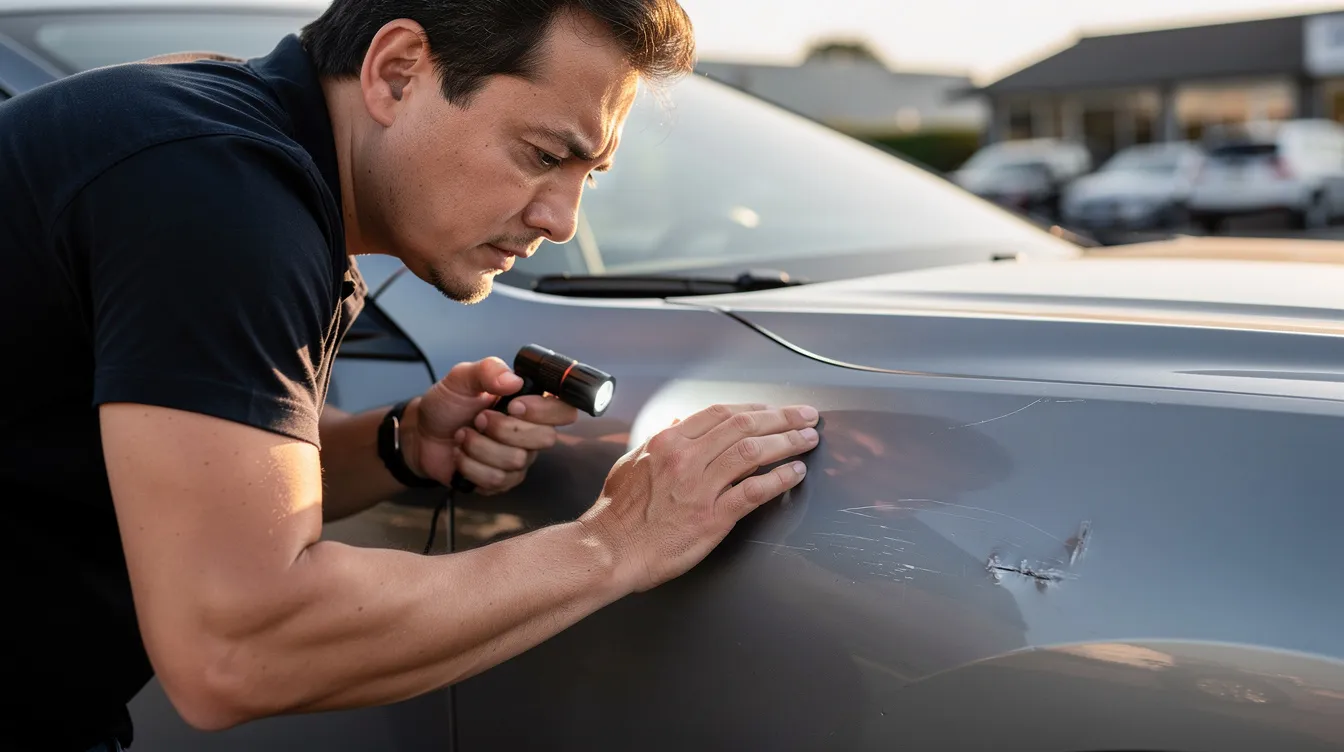
Joint inspection at pickup requires both parties to examine the vehicle thoroughly. The carrier driver and vehicle owner walk around the car together, noting every existing ding, chip, scratch, and cosmetic issue. This inspection happens in your driveway in places like Charlotte North Carolina or San Antonio Texas before the vehicle loads onto the truck.
The pickup inspection should document:
-
All existing scratches, dents, and chips with specific locations noted
-
Paint condition including fading, peeling, or oxidation
-
Glass condition noting any cracks or chips in windows and mirrors
-
Tire condition and wear patterns
-
Mechanical notes about known issues
-
Aftermarket accessories and their attachment methods
-
Photographs with timestamps backing up written documentation
Delivery inspection mirrors this process. Before signing final paperwork, compare the vehicle’s condition against pickup notes. Any new damage must be written on the bill of lading immediately. Once you sign acknowledging delivery without noting damage, claim eligibility becomes questionable.
Consider a car shipped from San Diego California to Portland Oregon. At delivery, the owner notices a new scratch on the rear bumper. Before the driver leaves, that scratch gets documented on the bill of lading with a brief description and location. The owner photographs the damage alongside the paperwork. This pre shipping documentation creates the foundation for a successful claim.
Homeland Auto Transport trains clients on bill of lading procedures to ensure transparency. Carriers must adhere to these protocols, protecting against post-delivery disputes about when damage occurred.
How Homeland Auto Transport Vets Carrier Insurance
Homeland Auto Transport’s vetting process rigorously confirms insurance status before any vehicle enters a carrier’s custody. This internal audit protects customers from underinsured or uninsured operators who create financial risk.
The verification process includes multiple checkpoints. Staff pull active authority records through FMCSA public databases. They demand current insurance certificates showing both liability and cargo coverage. Coverage limits must meet or exceed federal minimums while matching the value of vehicles being transported.
Verification steps before dispatch include:
-
Confirming active FMCSA operating authority
-
Reviewing current insurance certificate dates and coverage limits
-
Verifying bonding status and history
-
Checking carrier safety ratings and complaint records
-
Matching cargo policy limits to vehicle values on the shipment
-
Rejecting any carrier with lapsed, inadequate, or unverifiable coverage
This scrutiny applies equally across all routes. Auto transport Chicago Illinois to Dallas Texas sees high carrier demand. Many operators compete for shipments along this busy corridor. Homeland Auto Transport maintains strict standards regardless of market pressure, refusing non-compliant carriers even when capacity runs tight.
Transparency extends to customers receiving verified carrier details before pickup. Reputable auto transport companies share insurance information openly. This practice distinguishes responsible brokers from operators who dispatch whoever answers first without checking credentials.
The result is confidence before, during, and after transport. When car arrives at its destination, customers know the carrier maintained proper protection throughout the journey. This trust foundation supports the long-term relationships that define quality auto transport service.
Insurance Considerations for Open vs Enclosed Transport
Homeland Auto Transport offers both open and enclosed transport options. Each carries different insurance implications based on exposure levels and typical cargo values.
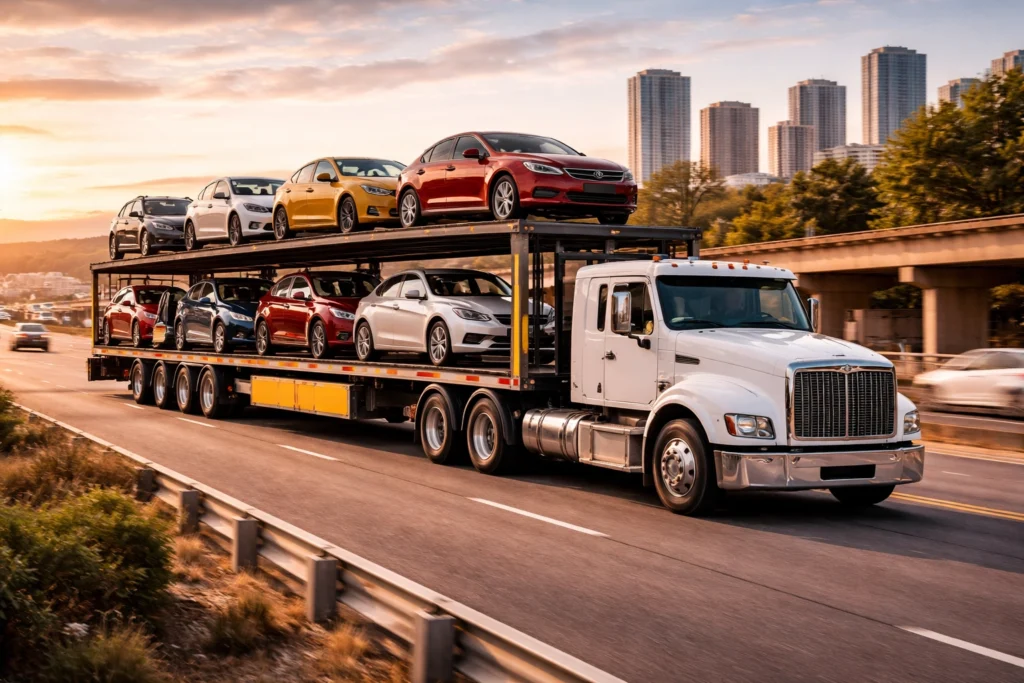
Open transport remains the standard choice for daily drivers. Most auto transport carriers use open trailers holding eight to ten vehicles. These carriers operate on routes like Atlanta Georgia to New York New York, handling high volumes efficiently. Standard cargo limits around $100,000 to $150,000 get shared across all the vehicles on the trailer.
This sharing means individual coverage per vehicle depends on trailer capacity. Ten vehicles sharing $100,000 in coverage means theoretical per-vehicle protection of $10,000. For a commuter sedan, this typically suffices. For luxury vehicles worth $80,000 or more, the math changes dramatically.
Enclosed transport offers several advantages:
-
Physical protection: Fully shielded trailers eliminate debris and weather exposure
-
Higher coverage limits: Policies often reach $250,000 to $300,000
-
Fewer vehicles: Three to six vehicles per trailer means more coverage per vehicle
-
Specialized handling: Drivers trained for high value vehicle transport
Consider when each option makes sense:
|
Transport Type |
Best For |
Typical Coverage |
Exposure Level |
|---|---|---|---|
|
Open carrier |
Daily drivers, standard vehicles |
$100,000-$150,000 shared |
Debris, weather |
|
Enclosed carrier |
Luxury, classic, exotic vehicles |
$250,000-$300,000 shared |
Minimal |
A sports car moved via enclosed car transport from Seattle Washington to Austin Texas benefits from elevated coverage expectations. The owner gains physical protection and insurance limits matching the vehicle’s value. This combination justifies the premium pricing enclosed transport commands.
Homeland Auto Transport matches transport options to vehicle needs. Staff discuss value, condition, and owner concerns before recommending open or enclosed solutions.
Door-to-Door Service and Insurance Protection
Door-to-door auto transport brings the carrier directly to locations in cities like Jacksonville Florida or Columbus Ohio. This service model affects both convenience and insurance continuity.
Insurance remains in effect from the moment the carrier assumes custody until release at delivery. This protection continues regardless of where pickup or delivery occurs. Whether loading happens in a suburban driveway or at a designated meeting point, coverage stays active.
Large transport trucks face physical limitations in some areas. Tight residential streets, low-hanging trees, and narrow turns may prevent direct driveway access. When trucks cannot reach the exact address, carriers establish nearby meeting points.
Important coverage continuity points:
-
Coverage starts when the carrier takes physical custody of your vehicle
-
Protection continues during all transit, regardless of route changes
-
Coverage ends only when you receive your vehicle and sign delivery paperwork
-
Meeting point pickups and deliveries do not create coverage gaps
-
The vehicle remains under carrier insurance throughout staging at terminals
Homeland Auto Transport communicates exact meeting points transparently. Customers understand where coverage begins and ends. Urban maneuvering risks in congested areas fall under carrier cargo policies during those tight navigation situations.
Customer responsibilities at pickup and delivery include:
-
Being present or having an authorized representative available
-
Completing thorough inspections before signing paperwork
-
Noting any new damage immediately on the bill of lading
-
Taking timestamped photographs documenting vehicle’s condition
-
Retaining copies of all signed documentation
Clear communication prevents confusion about coverage boundaries. Customers know their protection levels from first contact through final delivery.
Preparing Your Vehicle to Protect Your Coverage
Proper vehicle preparation strengthens coverage eligibility and speeds potential claim resolution. These steps take minimal time but provide significant protection.
Start by washing the exterior thoroughly. A clean vehicle allows clear inspection of existing damage at pickup. Dirt and grime hide scratches, making accurate documentation difficult. Wash the car in your driveway in places like Charlotte North Carolina or San Antonio Texas the day before pickup.
Remove all personal items from the interior and trunk. This includes electronics, clothing, documents, and anything not permanently attached. Personal belongings fall outside cargo coverage. Their presence creates unnecessary risk and potential claim complications.
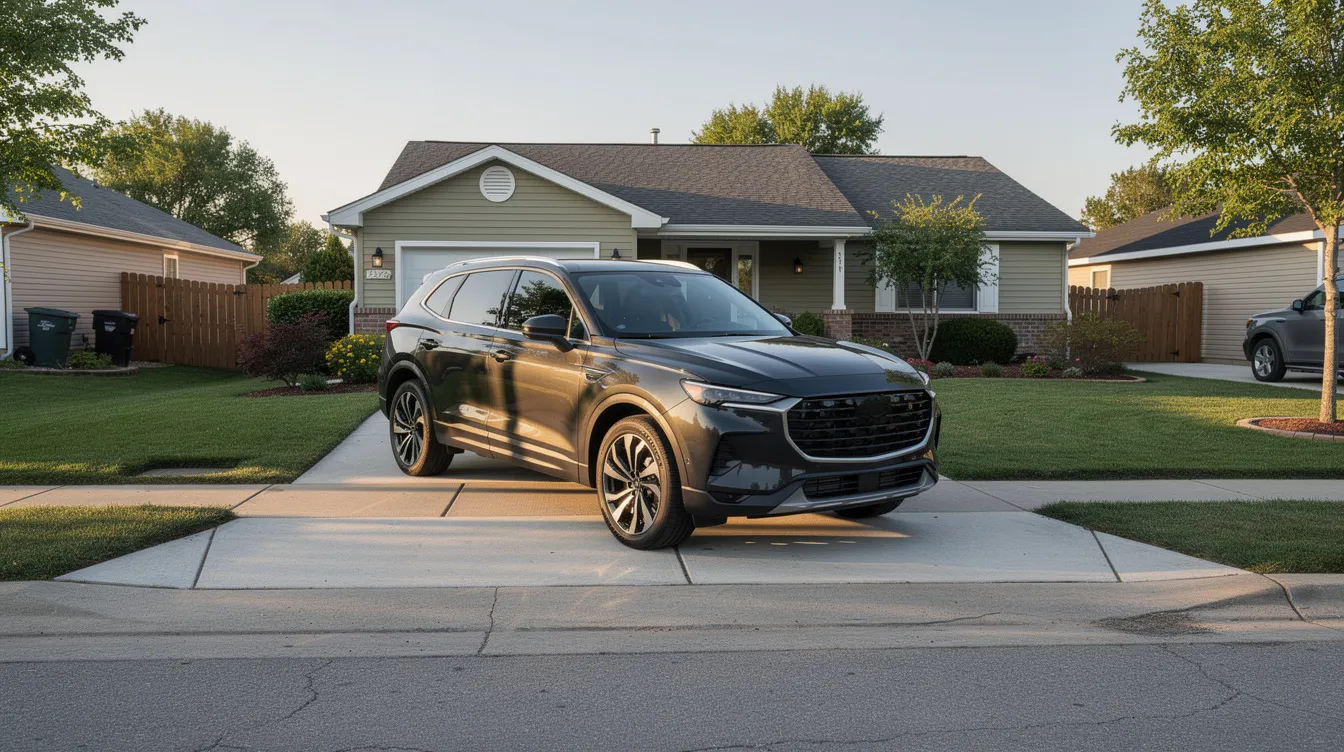
Preparation priorities include:
-
Wash exterior: Enables clear damage documentation during inspection
-
Remove personal items: Eliminates uncovered belongings from the vehicle
-
Secure loose parts: Retract antennas, remove or secure aftermarket additions
-
Check for leaks: Fix any fluid leaks to avoid mechanical exclusion issues
-
Photograph everything: Take dated photos from multiple angles before pickup
-
Document existing damage: Note all pre existing scratches, dents, and chips
-
Reduce fuel level: Keep tank between one-quarter and one-half full
-
Disable alarms: Prevent battery drain and false activation during transport
Taking dated photographs creates independent documentation beyond the bill of lading. Capture all four corners, each side panel, the roof, hood, and trunk. Include close-ups of any existing damage. These images establish baseline condition before transport begins.
Address mechanical issues before shipping. Fix active leaks and resolve warning lights when possible. Mechanical problems that manifest during or after transport often fall outside coverage. The carrier’s insurance covers transport-related damage, not pre-existing conditions that worsen during the journey.
Proper preparation demonstrates good faith and reduces dispute potential. When claims do occur, documented preparation speeds resolution and supports your position.
How Claims Work When Something Goes Wrong
Despite careful preparation and vetted carriers, damage occasionally occurs. Understanding the claim process prepares you to respond effectively if needed.
Claims initiate at delivery upon spotting new damage. The chronological steps matter significantly for successful resolution.
Immediate steps at delivery:
-
Complete thorough visual inspection before signing any paperwork
-
Compare current condition against pickup documentation on the bill of lading
-
Note all new damage directly on the delivery bill of lading with specific descriptions
-
Photograph damage from multiple angles including timestamps
-
Have the driver acknowledge the noted damage with their signature
-
Retain your copy of the signed, annotated bill of lading
After documenting damage on-site, notify Homeland Auto Transport within 24 to 48 hours. Provide the annotated bill of lading, photographs, and your shipment details. This notification triggers coordination with the carrier’s insurer.
The auto transport insurance claim process continues through these stages:
-
Initial notification: Customer reports damage with documentation to Homeland Auto Transport
-
Carrier contact: Broker relays claim to carrier and their insurance company
-
Adjuster assignment: Insurance company assigns adjuster to evaluate damage
-
Inspection: Adjuster may request vehicle inspection or additional photographs
-
Estimate review: Repair estimates get submitted and reviewed
-
Resolution: Insurance company issues payment for approved repairs
Consider a realistic claim example. A vehicle transported from Nashville Tennessee to Fort Lauderdale Florida arrives with a debris dent on the hood. The owner documents the damage on the bill of lading at delivery, photographs it thoroughly, and notifies Homeland Auto Transport that evening. The carrier’s insurer assigns an adjuster within five business days. After inspection confirms the damage occurred during transit, the insurance company covers full repair costs. The carrier absorbs any deductibles without passing costs to the customer.
Processing timelines average 30 days for straightforward claims. Complex situations may take longer. Throughout the process, Homeland Auto Transport supports customers by providing shipment manifests and facilitating communication with carriers.
When to Consider Additional Protection
Standard carrier cargo policies adequately protect most daily drivers shipped on common routes. Basic cargo insurance covers negligence-related damage throughout transport. For typical sedans, SUVs, and pickups, this coverage meets financial exposure levels.
However, certain vehicles warrant enhanced protection. The vehicle’s value, rarity, and replacement difficulty all factor into coverage decisions.
Scenarios warranting elevated protection include:
-
Classic vehicles: Restored cars with values exceeding standard policy limits
-
Exotic vehicles: High-end sports cars and luxury brands with significant market values
-
Custom builds: Vehicles with extensive modifications increasing replacement costs
-
Collector pieces: Rare vehicles where repair parts prove difficult to source
-
Sentimental value: Family heirlooms where standard coverage feels insufficient
A restored classic shipped from Richmond Virginia to Scottsdale Arizona might carry a value of $150,000. Standard cargo limits around $100,000 shared across multiple vehicles leave significant exposure. Gap insurance or supplemental coverage bridges this gap, ensuring full protection.
Similarly, a luxury SUV moved from Boston Massachusetts to Sarasota Florida benefits from enclosed transport with elevated limits. Reputable companies like Homeland Auto Transport discuss these options proactively.
Questions to ask before booking high-value transport:
-
What are the carrier’s cargo insurance coverage limits?
-
How many vehicles share the trailer, and how does that affect per-vehicle coverage?
-
Does enclosed transport offer higher limits through this carrier?
-
What exclusions apply to aftermarket modifications or custom features?
-
What is the carrier’s claims history and resolution track record?
Homeland Auto Transport matches vehicle needs with appropriate carriers and coverage levels. Staff advise customers on protection options based on vehicle’s value and transport circumstances. This guidance ensures confidence whether shipping a daily commuter or a prized collector car.
Understanding car shipping insurance removes uncertainty from your next vehicle move. When you know exactly what coverage protects your vehicle, you can ship with confidence to any destination. Contact Homeland Auto Transport to verify carrier credentials, discuss coverage options, and request a car shipping quote tailored to your specific needs.
Car Shipping Insurance Explained
Moving a vehicle across state lines raises important questions about protection. What happens if something goes wrong during transit? Who pays for damage? These concerns keep many vehicle owners up at night.
Car shipping insurance exists to answer those questions directly. Auto transport insurance is distinct from personal auto insurance, as it specifically covers damage that occurs while a vehicle is in the carrier’s possession during transport. When you ship a car from one city to another, the carrier’s insurance policies protect your vehicle throughout the journey. This coverage activates the moment your vehicle enters carrier custody and stays active until delivery.
Homeland Auto Transport works exclusively with vetted carriers who maintain proper insurance coverage. An auto shipping company or auto transport company is responsible for arranging vehicle transport and verifying the carrier’s cargo insurance to ensure your vehicle is protected during transit. This guide breaks down how car shipping insurance works, what it covers, and how to protect yourself before, during, and after transport. Every route from coast to coast operates under these same principles.
When choosing car shipping insurance, it’s essential to evaluate the value of your vehicle and the level of coverage needed, as standard carrier insurance may not fully protect high-value vehicles.
Car Shipping Insurance Basics
Car shipping insurance protects your vehicle while it travels on a carrier’s transport truck. This coverage is separate from your personal auto insurance. It addresses damage that occurs during loading, transit, and unloading phases.
Federal regulations require every legitimate motor carrier to maintain specific insurance levels. The Federal Motor Carrier Safety Administration (FMCSA) requires all licensed auto carriers (motor carriers) to hold an active auto transport liability coverage policy to protect vehicles during transport. Most auto transport carriers are required by law to carry a minimum level of liability insurance, which protects against damages caused by their negligence during transport. The FMCSA mandates a minimum of $750,000 in public liability insurance. This covers bodily injury and property damage from incidents involving the transport vehicle itself.
Beyond public liability, carriers must carry cargo insurance. Auto transport coverage generally comes in two main types: liability insurance and cargo insurance. This coverage directly safeguards the vehicles under their custody. Typical cargo insurance coverage ranges from $100,000 to $300,000.
Here is what every vehicle owner should understand:
-
Carrier insurance activates only while your vehicle is in the carrier’s care
-
Coverage starts at pickup and ends at delivery
-
Public liability protects against third-party harms
-
Cargo insurance protects your actual vehicle
-
Basic liability coverage is typically included in the cost of shipping and protects against damage caused by the carrier’s negligence during transit
-
Every carrier Homeland Auto Transport dispatches maintains verified, active coverage
Routes like auto transport Miami Florida to Atlanta Georgia or Dallas Texas to Orlando Florida see high shipping volumes. On these corridors, carriers handle dozens of vehicles weekly. Each vehicle falls under the carrier’s insurance umbrella during transport.
Homeland Auto Transport refuses to work with any carrier lacking adequate cargo and liability proofs. This vetting process ensures protection before your vehicle ever leaves the driveway. Trust and transparency guide every decision, from carrier selection to delivery confirmation.
Why Car Shipping Insurance Matters
A family recently shipped their sedan from Phoenix Arizona to Charlotte North Carolina. During highway travel, debris from a passing truck struck the rear quarter panel. The impact left a noticeable dent and paint damage. Because the carrier maintained proper cargo insurance, the repair costs were fully covered. The family filed a claim, documented the new damage, and received compensation without paying a deductible.
This scenario illustrates why car shipping insurance matters for every vehicle owner. Most shipments arrive without incident. Industry estimates suggest over 95% of transported vehicles reach their destinations damage-free. But that small percentage of claims represents real vehicles and real financial stakes.
Key risks during auto transport cluster around specific moments:
-
Loading and unloading phases where hydraulic failures or mishandling cause shifts
-
Highway debris striking vehicles on open carriers during long interstate stretches
-
Tight urban maneuvering in congested streets of cities like Chicago Illinois or Newark New Jersey
-
Weather exposure on extended routes from coast to coast
The financial impact of uninsured damage hits hardest on higher value vehicles. Repair costs for SUVs or pickups can exceed $5,000 for seemingly minor body work. Mirror replacements, paint correction, and panel repairs add up quickly. Without proper insurance coverage, these costs fall entirely on the vehicle owner.
Peace of mind matters for families relocating to new states, college students shipping vehicles to campus, and military members transferring between bases. Knowing that vetted auto transport carriers maintain active insurance allows these customers to focus on their move rather than worry about potential damage.
Types of Car Shipping Insurance Coverage
Homeland Auto Transport coordinates only with carriers maintaining multiple coverage layers. Understanding each type helps vehicle owners recognize their protection level before booking any shipment.
Basic liability coverage forms the foundation of every carrier’s insurance structure. This coverage comes bundled into standard shipping quotes at no extra charge. Public liability insurance focuses on third-party harms. If the transport truck causes an accident affecting other motorists or property, this coverage responds.
Cargo insurance targets your shipped vehicle directly. This coverage protects against fire, vandalism, theft, and accident-related structural damage during transit. Cargo coverage activates when carrier negligence causes harm. Examples include faulty securing straps, improper loading techniques, or collisions during highway travel. Auto transport insurance cover refers to the scope of protection provided by the carrier’s policy, including damages during loading, unloading, transit, and due to equipment failure or negligence. It is important to understand what the carrier’s policy covers and its limitations, as some exclusions may apply, such as pre-existing damage or personal items.
Here is how the main coverage types break down:
-
Basic liability coverage: Protects against third-party injury and property damage; federally mandated at $750,000 minimum
-
Cargo insurance: Covers physical damage to transported vehicles from carrier actions; typical limits range $100,000 to $300,000. Shared limits in standard cargo policies (typically $100,000 to $250,000) are divided among all cars on the trailer.
-
Supplemental insurance: Optional gap coverage for high-value classics, customs, or exotic vehicles; elevates protection beyond standard limits. Extra insurance options are available for high-value vehicles, providing additional coverage beyond the standard liability limits set by carriers.
For high-value vehicles, optional supplemental coverage bridges limitations of standard policies. A collector car shipped via enclosed auto transport from Los Angeles California to Miami Florida might warrant elevated limits up to $250,000 or $300,000. Enclosed carriers typically transport fewer vehicles, meaning those higher limits provide greater per-vehicle protection.
Homeland Auto Transport matches coverage levels to vehicle needs. Daily drivers on standard routes often receive adequate protection from basic cargo insurance. Luxury vehicles and classics may benefit from enclosed transport with elevated coverage expectations. The right transport company discusses these options before dispatch.
What Carrier Insurance Usually Covers
Coverage depends on the specific carrier’s policy that Homeland Auto Transport verifies before scheduling any pickup. The carrier’s policy typically covers damage that occurs during loading, transit, and unloading, but it does not cover pre-existing damage or personal belongings left in the vehicle. Reputable carriers maintain comprehensive cargo insurance covering damage throughout all transport phases, but it’s important to understand the carrier’s policy limits and exclusions. For high-value or specialty vehicles, supplemental insurance may be necessary.
Standard carrier’s cargo insurance covers damage from carrier negligence during loading, transit, and unloading. This includes incidents where securing equipment fails, where drivers navigate poorly, or where accidents occur on the highway. The carrier’s policy responds when their actions or equipment cause harm to your vehicle. Auto transport insurance typically covers damage that occurs during loading, transit, and unloading, but not pre-existing damage or personal belongings.
Typically covered events include:
-
Damage during loading when improper ramps cause undercarriage scrapes
-
Transit accidents from pothole impacts or highway debris strikes
-
Collisions on interstates like I-95 resulting in body panel dents
-
Unloading mishaps in residential areas where equipment malfunctions
-
Fire outbreaks on the transport truck
-
Hydraulic lift failures dropping vehicles
-
Low-clearance bridge scrapes affecting vehicles on upper racks
-
Theft or vandalism during transport layovers
Consider a mirror damaged during tight maneuvering in downtown Boston Massachusetts. If the carrier’s equipment or driving caused that damage, the cargo policy covers repair costs. Similarly, body damage from a trailer collision qualifies under standard policies.
The critical requirement is documentation. Properly documented new damage at delivery is eligible for a claim. This means noting any damage on the bill of lading before the driver departs. Without that documentation, even legitimate damage may face claim challenges.
Homeland Auto Transport streamlines this process by verifying insurance certificates upfront. This guarantees carrier responsiveness on routes prone to challenging conditions, from Denver Colorado to Tampa Florida and everywhere between.
Common Exclusions and Limitations
Carrier insurance policies do not cover everything. Understanding exclusions prevents unpleasant surprises and helps vehicle owners prepare properly.
Personal items inside the vehicle are almost never covered by carrier policies. Electronics, luggage, clothing, and valuables in trunks remain at the owner’s risk. Car shipping companies consistently exclude personal belongings from cargo coverage. If theft occurs during transport, those items receive no compensation under carrier insurance.
Common exclusions in standard insurance policies include:
-
Personal items and belongings left inside the vehicle
-
Pre existing damage documented before pickup
-
Mechanical breakdowns unrelated to transport forces
-
Fluid leaks from worn seals or aging components
-
Normal wear like tire tread erosion on long hauls
-
Surface scratches from road grime or weather on open carriers
-
Aftermarket accessories unless explicitly disclosed and secured
-
Pre existing scratches or cosmetic issues noted at pickup
Concrete examples clarify these limitations. A check engine light appearing after a move from Denver Colorado to Tampa Florida typically falls outside coverage. Unless the carrier’s actions directly caused mechanical failure, existing damage or normal wear does not qualify for claims.
Aftermarket additions present specific challenges. Roof racks, spoilers, custom mirrors, or unsecured accessories often fall outside coverage unless disclosed beforehand. Vehicle owners should photograph and document all modifications before shipping.
These exclusions highlight why preparation matters. Remove personal items completely. Document existing damage thoroughly. Secure loose parts before the carrier arrives. These steps protect coverage eligibility and reduce dispute potential on any shipping route.
Carrier Insurance vs Personal Auto Insurance
During commercial transport, the carrier’s cargo insurance acts as primary coverage for vehicle damage. This creates an important distinction from personal auto insurance that many vehicle owners misunderstand.
Your personal auto insurance covers you while you drive. It typically does not extend to situations where a third party operates or transports your vehicle commercially. Many personal policies explicitly exclude shipping scenarios from their coverage terms.
The relationship between these coverage types works like this:
-
Carrier cargo insurance: Primary coverage during transport; responds to carrier negligence
-
Personal auto insurance: May offer limited or secondary protection; varies by policy
-
Comprehensive coverage: Sometimes extends to non-collision damage during transport; confirm with your insurer
-
Collision coverage: Usually applies only to owner-operated accidents
A driver in Houston Texas shipping to Raleigh North Carolina should call their insurance provider before transport. Many discover that collision coverage only applies while they personally drive. Their policy may leave transport gaps that carrier insurance fills.
Action steps before booking vehicle shipping:
-
Contact your personal insurance agent to clarify coverage during transport
-
Ask specifically about comprehensive and collision extensions
-
Confirm whether your policy provides any secondary protection
-
Document the conversation for your records
Homeland Auto Transport does not sell personal insurance policies. The company coordinates exclusively with properly insured carriers whose cargo policies provide primary protection. Personal policies may backstop specific perils in some states, but primary reliance stays on verified carrier cargo insurance throughout the shipping process.
The Role of the Bill of Lading in Insurance
The bill of lading functions as the pivotal legal document anchoring all insurance claims. This paperwork creates a binding record of your vehicle’s condition at pickup and delivery. Without proper bill of lading documentation, even valid damage claims face rejection.
Joint inspection at pickup requires both parties to examine the vehicle thoroughly. The truck driver and vehicle owner walk around the car together, noting every existing ding, chip, scratch, and cosmetic issue. It is essential to document the vehicle’s condition in detail, including taking photos and noting any pre-existing damage on the Bill of Lading, as this step is crucial for insurance coverage and future claims. This inspection happens in your driveway in places like Charlotte North Carolina or San Antonio Texas before the vehicle loads onto the truck.
The pickup inspection should document:
-
All existing scratches, dents, and chips with specific locations noted
-
Paint condition including fading, peeling, or oxidation
-
Glass condition noting any cracks or chips in windows and mirrors
-
Tire condition and wear patterns
-
Mechanical notes about known issues
-
Aftermarket accessories and their attachment methods
-
Photographs with timestamps backing up written documentation
Delivery inspection mirrors this process. Before signing final paperwork, compare the vehicle’s condition against pickup notes. The Bill of Lading serves as a legally binding contract between the vehicle owner and the carrier, and it is crucial to note any new damage on this document at the time of delivery to support a claim. Any new damage must be written on the bill of lading immediately. Once you sign acknowledging delivery without noting damage, claim eligibility becomes questionable.
Consider a car shipped from San Diego California to Portland Oregon. At delivery, the owner notices a new scratch on the rear bumper. Before the driver leaves, that scratch gets documented on the bill of lading with a brief description and location. The owner photographs the damage alongside the paperwork. This pre shipping documentation creates the foundation for a successful claim.
Homeland Auto Transport trains clients on bill of lading procedures to ensure transparency. Carriers must adhere to these protocols, protecting against post-delivery disputes about when damage occurred.
How Homeland Auto Transport Vets Carrier Insurance
Homeland Auto Transport’s vetting process rigorously confirms insurance status before any vehicle enters a carrier’s custody. This internal audit protects customers from underinsured or uninsured operators who create financial risk.
The verification process includes multiple checkpoints. Staff pull active authority records through FMCSA public databases. They demand current insurance certificates showing both liability and cargo coverage. Coverage limits must meet or exceed federal minimums while matching the value of vehicles being transported.
Verification steps before dispatch include:
-
Confirming active FMCSA operating authority
-
Reviewing current insurance certificate dates and coverage limits
-
Verifying bonding status and history
-
Checking carrier safety ratings and complaint records
-
Matching cargo policy limits to vehicle values on the shipment
-
Rejecting any carrier with lapsed, inadequate, or unverifiable coverage
This scrutiny applies equally across all routes. Auto transport Chicago Illinois to Dallas Texas sees high carrier demand. Many operators compete for shipments along this busy corridor. Homeland Auto Transport maintains strict standards regardless of market pressure, refusing non-compliant carriers even when capacity runs tight.
Transparency extends to customers receiving verified carrier details before pickup. Reputable auto transport companies share insurance information openly. This practice distinguishes responsible brokers from operators who dispatch whoever answers first without checking credentials.
The result is confidence before, during, and after transport. When car arrives at its destination, customers know the carrier maintained proper protection throughout the journey. This trust foundation supports the long-term relationships that define quality auto transport service.
Insurance Considerations for Open vs Enclosed Transport
Homeland Auto Transport offers both open and enclosed transport options. Each carries different insurance implications based on exposure levels and typical cargo values. Evaluating the vehicle’s value is crucial when choosing between open and enclosed transport, as higher-value vehicles may require additional protection and coverage.
Open transport remains the standard choice for daily drivers. Most auto transport carriers use open trailers holding eight to ten vehicles. These carriers operate on routes like Atlanta Georgia to New York New York, handling high volumes efficiently. Standard cargo limits around $100,000 to $150,000 get shared across all the vehicles on the trailer. Most auto transport carriers carry cargo insurance that typically ranges from $100,000 to $250,000 per vehicle, depending on the carrier and trailer type.
This sharing means individual coverage per vehicle depends on trailer capacity. Ten vehicles sharing $100,000 in coverage means theoretical per-vehicle protection of $10,000. For a commuter sedan, this typically suffices. For luxury vehicles worth $80,000 or more, the math changes dramatically.
Enclosed transport offers several advantages:
-
Physical protection: Fully shielded trailers eliminate debris and weather exposure
-
Higher coverage limits: Policies often reach $250,000 to $300,000
-
Fewer vehicles: Three to six vehicles per trailer means more coverage per vehicle
-
Specialized handling: Drivers trained for high value vehicle transport
Consider when each option makes sense:
|
Transport Type |
Best For |
Typical Coverage |
Exposure Level |
|---|---|---|---|
|
Open carrier |
Daily drivers, standard vehicles |
$100,000-$150,000 shared |
Debris, weather |
|
Enclosed carrier |
Luxury, classic, exotic vehicles |
$250,000-$300,000 shared |
Minimal |
A sports car moved via enclosed car transport from Seattle Washington to Austin Texas benefits from elevated coverage expectations. The owner gains physical protection and insurance limits matching the vehicle’s value. This combination justifies the premium pricing enclosed transport commands.
Homeland Auto Transport matches transport options to vehicle needs. Staff discuss value, condition, and owner concerns before recommending open or enclosed solutions.
Door-to-Door Service and Insurance Protection
Door-to-door auto transport brings the carrier directly to locations in cities like Jacksonville Florida or Columbus Ohio. This service model affects both convenience and insurance continuity.
Insurance remains in effect from the moment the carrier assumes custody until release at delivery. This protection continues regardless of where pickup or delivery occurs. Whether loading happens in a suburban driveway or at a designated meeting point, coverage stays active.
Large transport trucks face physical limitations in some areas. Tight residential streets, low-hanging trees, and narrow turns may prevent direct driveway access. When trucks cannot reach the exact address, carriers establish nearby meeting points.
Important coverage continuity points:
-
Coverage starts when the carrier takes physical custody of your vehicle
-
Protection continues during all transit, regardless of route changes
-
Coverage ends only when you receive your vehicle and sign delivery paperwork
-
Meeting point pickups and deliveries do not create coverage gaps
-
The vehicle remains under carrier insurance throughout staging at terminals
Homeland Auto Transport communicates exact meeting points transparently. Customers understand where coverage begins and ends. Urban maneuvering risks in congested areas fall under carrier cargo policies during those tight navigation situations.
Customer responsibilities at pickup and delivery include:
-
Being present or having an authorized representative available
-
Completing thorough inspections before signing paperwork
-
Noting any new damage immediately on the bill of lading
-
Taking timestamped photographs documenting vehicle’s condition
-
Retaining copies of all signed documentation
Clear communication prevents confusion about coverage boundaries. Customers know their protection levels from first contact through final delivery.
Preparing Your Vehicle to Protect Your Coverage
Proper vehicle preparation strengthens coverage eligibility and speeds potential claim resolution. These steps take minimal time but provide significant protection.
Start by washing the exterior thoroughly. A clean vehicle allows clear inspection of existing damage at pickup. Dirt and grime hide scratches, making accurate documentation difficult. Wash the car in your driveway in places like Charlotte North Carolina or San Antonio Texas the day before pickup.
Remove all personal items from the interior and trunk. This includes electronics, clothing, documents, and anything not permanently attached. Personal belongings fall outside cargo coverage. Their presence creates unnecessary risk and potential claim complications.
Preparation priorities include:
-
Wash exterior: Enables clear damage documentation during inspection
-
Remove personal items: Eliminates uncovered belongings from the vehicle
-
Secure loose parts: Retract antennas, remove or secure aftermarket additions
-
Check for leaks: Fix any fluid leaks to avoid mechanical exclusion issues
-
Photograph everything: Take dated photos from multiple angles before pickup
-
Document existing damage: Note all pre existing scratches, dents, and chips
-
Reduce fuel level: Keep tank between one-quarter and one-half full
-
Disable alarms: Prevent battery drain and false activation during transport
Taking dated photographs creates independent documentation beyond the bill of lading. Capture all four corners, each side panel, the roof, hood, and trunk. Include close-ups of any existing damage. These images establish baseline condition before transport begins. It is crucial to accurately note the vehicle’s condition on the Bill of Lading before shipping, as this official record helps prevent disputes and ensures proper insurance coverage during and after transit.
Address mechanical issues before shipping. Fix active leaks and resolve warning lights when possible. Mechanical problems that manifest during or after transport often fall outside coverage. The carrier’s insurance covers transport-related damage, not pre-existing conditions that worsen during the journey.
Proper preparation demonstrates good faith and reduces dispute potential. When claims do occur, documented preparation speeds resolution and supports your position.
How Claims Work When Something Goes Wrong
Despite careful preparation and vetted carriers, damage occasionally occurs. Understanding the claim process prepares you to respond effectively if needed.
Claims initiate at delivery upon spotting new damage. The chronological steps matter significantly for successful resolution.
Immediate steps at delivery:
-
Complete thorough visual inspection before signing any paperwork
-
Compare current condition against pickup documentation on the bill of lading
-
Note all new damage directly on the delivery bill of lading with specific descriptions
-
Photograph damage from multiple angles including timestamps
-
Have the driver acknowledge the noted damage with their signature
-
Retain your copy of the signed, annotated bill of lading
After documenting damage on-site, notify Homeland Auto Transport within 24 to 48 hours. Provide the annotated bill of lading, photographs, and your shipment details. This notification triggers coordination with the carrier’s insurer.
The auto transport insurance claim process continues through these stages:
-
Initial notification: Customer reports damage with documentation to Homeland Auto Transport
-
Carrier contact: Broker relays claim to carrier and their insurance company
-
Adjuster assignment: Insurance company assigns adjuster to evaluate damage
-
Inspection: Adjuster may request vehicle inspection or additional photographs
-
Estimate review: Repair estimates get submitted and reviewed
-
Resolution: Insurance company issues payment for approved repairs
Consider a realistic claim example. A vehicle transported from Nashville Tennessee to Fort Lauderdale Florida arrives with a debris dent on the hood. The owner documents the damage on the bill of lading at delivery, photographs it thoroughly, and notifies Homeland Auto Transport that evening. The carrier’s insurer assigns an adjuster within five business days. After inspection confirms the damage occurred during transit, the insurance company covers full repair costs. The carrier absorbs any deductibles without passing costs to the customer.
Processing timelines average 30 days for straightforward claims. Complex situations may take longer. Throughout the process, Homeland Auto Transport supports customers by providing shipment manifests and facilitating communication with carriers.
When to Consider Additional Protection
Standard carrier cargo policies adequately protect most daily drivers shipped on common routes. Basic cargo insurance covers negligence-related damage throughout transport. For typical sedans, SUVs, and pickups, this coverage meets financial exposure levels.
However, certain vehicles warrant enhanced protection. The vehicle’s value, rarity, and replacement difficulty all factor into coverage decisions.
Scenarios warranting elevated protection include:
-
Classic vehicles: Restored cars with values exceeding standard policy limits
-
Exotic vehicles: High-end sports cars and luxury brands with significant market values
-
Custom builds: Vehicles with extensive modifications increasing replacement costs
-
Collector pieces: Rare vehicles where repair parts prove difficult to source
-
Sentimental value: Family heirlooms where standard coverage feels insufficient
A restored classic shipped from Richmond Virginia to Scottsdale Arizona might carry a value of $150,000. Standard cargo limits around $100,000 shared across multiple vehicles leave significant exposure. Gap insurance or supplemental coverage bridges this gap, ensuring full protection.
Similarly, a luxury SUV moved from Boston Massachusetts to Sarasota Florida benefits from enclosed transport with elevated limits. Reputable companies like Homeland Auto Transport discuss these options proactively.
Questions to ask before booking high-value transport:
-
What are the carrier’s cargo insurance coverage limits?
-
How many vehicles share the trailer, and how does that affect per-vehicle coverage?
-
Does enclosed transport offer higher limits through this carrier?
-
What exclusions apply to aftermarket modifications or custom features?
-
What is the carrier’s claims history and resolution track record?
Homeland Auto Transport matches vehicle needs with appropriate carriers and coverage levels. Staff advise customers on protection options based on vehicle’s value and transport circumstances. This guidance ensures confidence whether shipping a daily commuter or a prized collector car.
Understanding car shipping insurance removes uncertainty from your next vehicle move. When you know exactly what coverage protects your vehicle, you can ship with confidence to any destination. Contact Homeland Auto Transport to verify carrier credentials, discuss coverage options, and request a car shipping quote tailored to your specific needs.
Simple Steps to Book Auto Transport
Need to transport your vehicle? We deliver safely and on time anywhere across the United States.
Quick Steps to Auto Transport

Step 1
Get a Quote and book

Step 2
We pick up your vehicle

Step 3
Receive delivery on time
Professional Transport Services

Auto Transport
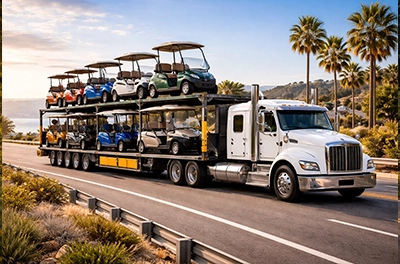
Motorcycle Shipping
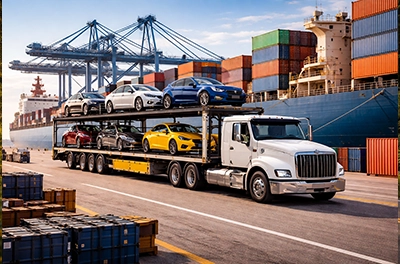
International Shipping
Get A Free
Instant Quote
Click below to get a free instant quote on your vehicle shipping service in just a few easy steps.
Why Choose Homeland Auto Transport?
Reasons to Trust Us With Your Vehicle Transport
Professional Auto Transport
We deliver reliable, nationwide vehicle shipping backed by experience and precision. Every shipment is handled with care, from dispatch to final delivery. Our network of vetted carriers ensures safe, on-time transport across all routes. With clear communication and dependable service, you always know your vehicle is in good hands.
Top Rated Service
We prioritize the safety of your vehicle at every stage of the transport process. Our fully vetted and insured carrier network ensures your shipment is handled with professionalism and care. From pickup to delivery, we maintain strict standards and clear communication so you always stay informed. With a focus on reliability and protection, you can trust us to deliver your vehicle safely and securely every time.
Always Available
Our team is available around the clock to support your vehicle transport needs. Whether you have questions, need updates, or want to book a shipment, we are here 24/7. You will always have direct access to real people who understand your shipment. With fast responses and consistent communication, we make the entire process smooth and stress-free.
Competitive Transport Pricing
We offer fair, market-driven pricing with no hidden fees or unexpected charges. Our rates are based on real-time transport data, ensuring you receive accurate and competitive quotes. With flexible options for every budget, we make it easy to ship your vehicle without overpaying. You get reliable service, strong value, and pricing you can trust from start to finish.
Nationwide Auto Transport
We provide reliable vehicle shipping across all 50 states, covering major cities and remote areas alike. Our extensive carrier network allows us to handle routes coast to coast with ease. Whether you are moving locally or across the country, we ensure consistent service and dependable delivery. No matter the distance, your vehicle is transported safely and efficiently nationwide.
White Glove Transport
We deliver a premium, hands-on transport experience designed for high-value vehicles and clients who expect more. Every detail is managed with precision, from careful carrier selection to priority scheduling and delivery. Your vehicle receives elevated protection and personalized attention at every step. With constant communication and a higher standard of care, we ensure a seamless, stress-free shipping experience.
FAQs
How does Homeland Auto Transport work?
Homeland Auto Transport makes vehicle shipping simple from start to finish. First, you request a quote online or by phone. We match your shipment with a vetted carrier in our nationwide network. Once scheduled, your vehicle is picked up at your location or nearby. During transit, we provide updates so you always know where your vehicle is. At delivery, you or your contact will inspect the vehicle and complete the process. We handle logistics, carrier coordination, and communication, so you can focus on your schedule while we manage the transport safely and efficiently.
How much does auto transport cost with Homeland Auto Transport?
The cost of auto transport depends on distance, vehicle type, transport method, and current market demand. At Homeland Auto Transport, we offer competitive, transparent pricing with no hidden fees. Open transport is the most affordable option, while enclosed transport offers added protection for high-value vehicles. Seasonal demand and route popularity can also affect pricing. We provide accurate, real-time quotes based on your exact route and vehicle details. Our goal is to give you a fair rate while ensuring your vehicle is picked up quickly and delivered safely anywhere in the United States.
Is my vehicle insured during transport?
Yes, every shipment booked through Homeland Auto Transport includes carrier insurance coverage. All carriers in our network are fully licensed and insured, meeting federal requirements. Before pickup, a detailed inspection report is completed to document your vehicle’s condition. Upon delivery, you will review the vehicle again to confirm it arrived safely. While damage is rare, insurance coverage provides peace of mind throughout the process. For high-value or specialty vehicles, we can also arrange enclosed transport options for added protection during transit across long distances or challenging routes.
How long does it take to ship a car nationwide?
Transit time depends on distance, route, and scheduling factors. Shorter routes may take 1–3 days, while cross-country auto transport typically takes 5–10 days. At Homeland Auto Transport, we work to secure fast pickups, often within 1–3 days of booking. Weather, traffic, and route demand can impact delivery times, but we always provide estimated timelines upfront. Our team stays in contact with carriers to ensure everything stays on schedule. We prioritize efficiency without compromising safety, so your vehicle arrives on time and in the same condition it was picked up.
What types of vehicles can Homeland Auto Transport ship?
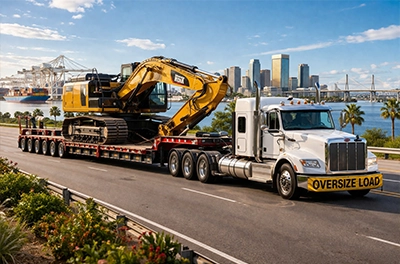
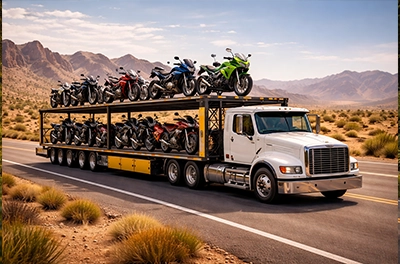
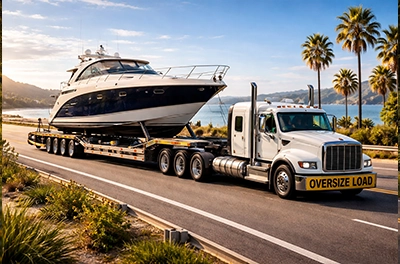
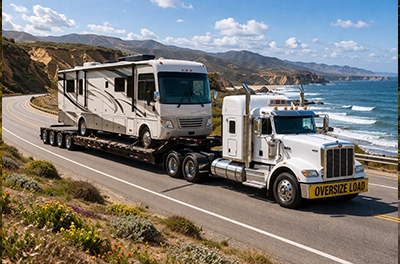
Homeland Auto Transport can ship nearly any type of vehicle nationwide. This includes standard cars, SUVs, trucks, motorcycles, luxury vehicles, classic cars, and even oversized or specialty equipment. Whether you need open or enclosed transport, we tailor each shipment to your needs. Our extensive carrier network allows us to handle both everyday vehicles and high-value transports with care. No matter the size, type, or destination, we coordinate the right equipment and carrier to ensure safe and reliable delivery across all 50 states.