
How Car Shipping Works

25+ Years Experience
Guaranteed Price
Licensed & Insured

Locked-In Pricing
Locked Rate Guarantee

24/7 Dedicated Support Team
Around-the-Clock Support

Nationwide Auto Transport
All 50 States Shipping

High-Quality Service Standards
Industry-Leading Standards
What Our Customer Say About Us
How Car Shipping Works
Shipping a car across town or across the country can feel overwhelming. You want your vehicle to arrive safely, on time, and without surprise fees. This guide breaks down exactly how car shipping works so you can make confident decisions from your first quote to final delivery.
Quick Overview: How Car Shipping Works with Homeland Auto Transport
The car shipping process follows a clear path. You start by requesting an instant quote with your pickup and delivery locations, vehicle details, and preferred timing. Once you approve the rate, we assign a vetted carrier from our network. The transport driver contacts you to confirm a pickup date, arrives to inspect and load your vehicle, then delivers it to your destination with a final inspection. As a trusted car shipping company, Homeland Auto Transport is known for comprehensive services and a commitment to customer satisfaction.
Homeland Auto Transport arranges insured carriers for safe door-to-door service. Every driver in our network holds valid licensing, active cargo insurance, and passes background checks. We handle the coordination so you can focus on other priorities during your move.
The key steps are straightforward: request a quote, choose open or enclosed transport, confirm your dates, complete a vehicle pickup inspection, wait during transit, and sign off at delivery. This is how auto transport works to ensure your vehicle is delivered safely and efficiently—prices and carrier availability change daily based on route demand and season. Lock in a rate once you find one that fits your budget.
We never hide costs in fine print. Our contracts spell out every charge upfront. The vehicle inspection report at pickup documents your car’s condition with written notes or photos. The same inspection happens at delivery. This protects you and creates visual proof of the shipment.
Our services cover local moves, statewide routes, and long distance transport. Whether you need to ship a sedan from Atlanta, Georgia, to Phoenix, Arizona, or move two cars between neighboring states, the process stays the same. Homeland Auto Transport handles each shipment with the same attention to transparency and care.
What Auto Transport Actually Is (and When People Use It)
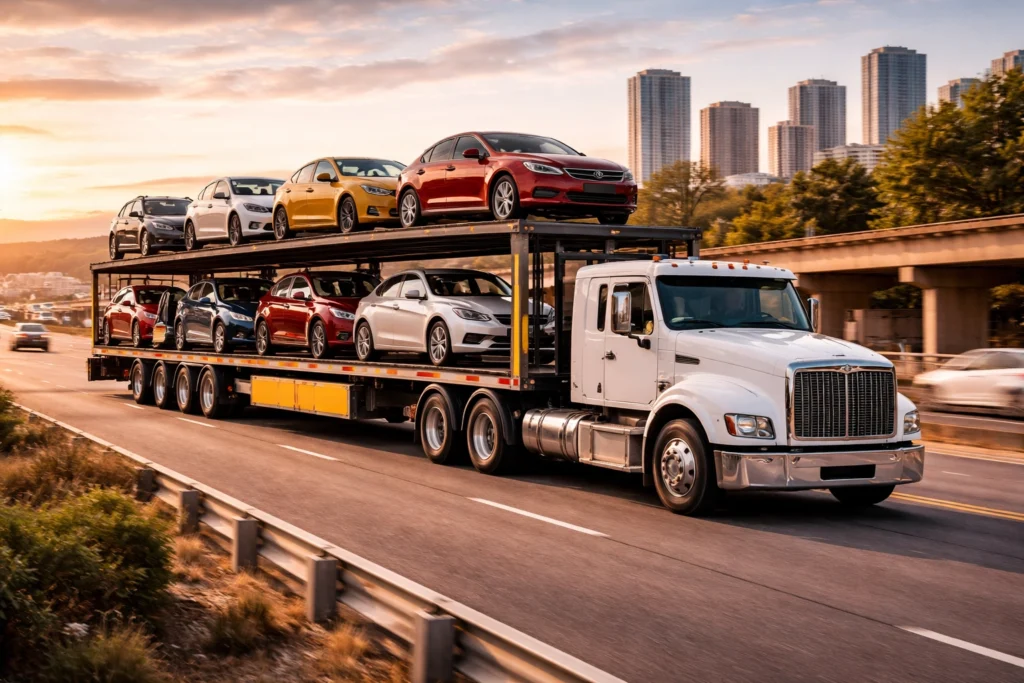
Auto transport means professional movement of vehicles on specialized trucks. This is not generic freight shipping. Carriers use multi-level trailers designed specifically to ship cars safely across any distance. Each vehicle sits secured on the deck with wheel chocks and straps.
An auto transport company is responsible for managing the transportation and delivery of your vehicle, ensuring it is handled by licensed drivers and arrives safely at its destination. Unlike brokers, who arrange shipments but do not move vehicles themselves, auto transport companies operate the trucks and have direct control over the shipping process.
People use auto transportation for many reasons. Job relocations top the list. When a company transfers you across the country, driving your car thousands of miles adds stress and wear. Military personnel face similar situations with frequent base changes. Snowbirds moving cross country between northern homes and southern retreats ship their vehicles seasonally instead of making the long drive twice.
College students heading to out-of-state schools often need their car shipped. Online car buyers purchasing used cars or new cars from distant dealerships rely on car shipping companies to handle delivery. For example, imagine buying a truck from a seller in Texas while you live in Florida. Arranging car shipment makes more sense than flying out and driving it back.
Most cars ship on open carriers. These are the same trucks you see delivering inventory to dealerships. The process keeps vehicles insured, secured, and handled only by licensed drivers. Homeland Auto Transport coordinates timing between customers and drivers to minimize how long your car sits waiting.
Step-by-Step: From Quote Request to Final Delivery
This section walks through the full timeline of how car shipping work unfolds from start to finish.
Step 1: Share Your Details You provide the pickup city and state, delivery city and state, and your preferred date range. Include vehicle specifics like make, model, body style, and whether the car runs. Accurate information leads to accurate pricing.
Step 2: We Calculate Your Rate Our team checks live carrier lanes, season, and route demand. This generates a fair market rate reflecting current availability. Quotes remain valid briefly because conditions shift daily.
Step 3: Carrier Assignment Once you approve the rate, we secure a vetted carrier. You receive estimated pickup and delivery dates. The transport driver will contact you directly as the pickup date approaches.
Step 4: Pickup Day The driver arrives and completes a detailed inspection, carefully documenting the car’s condition before transport. Both parties review the bill of lading, which records the vehicle’s condition. The driver notes any existing damage like scratches, dents, or glass chips. You sign, and your car loads onto the trailer.
Step 5: Transit Updates During transit, expect updates via phone or text. Truck drivers follow efficient interstate routes while respecting DOT rest regulations. Regional moves typically take a few days. Cross country shipments average about a week.
Step 6: Final Delivery When your vehicle is delivered at the destination, you complete another walkaround with the driver. Compare the car’s condition to the original notes. Log any changes on the bill. Once satisfied, release the remaining balance if paying COD. Your car is now safely delivered.
Information You Need Ready Before Getting a Car Shipping Quote
Accurate details lead to accurate pricing. Surprises happen when customers provide incomplete information upfront. Take a few minutes to gather specifics before requesting your quote.
Start with location details: exact pickup city and state, delivery city and state, and your preferred date range. Flexibility on the pickup date can help secure better rates with trusted carriers. Be clear about whether addresses are residential or business locations.
Next, gather vehicle specifics. Know the make, model, and body style. Modifications affecting height or weight matter too. Lifted trucks or vehicles with roof racks require different available space calculations. Mention whether your car runs or needs special equipment for loading.
Note any access challenges at pickup or delivery locations. Tight driveways, low-hanging trees, or HOA restrictions can affect where the carrier meets you. Sharing this upfront helps our team plan accordingly and avoids day-of complications. Vehicle registration details may be requested to verify ownership.
Choosing Open or Enclosed Transport
Both options use insured, vetted carriers. The choice depends on your vehicle type, budget, and comfort with exposure.
Open Transport Open carriers are standard multi-level trailers hauling up to ten vehicles at once. This is the most cost effective option. Daily drivers, family SUVs, and typical sedans ship safely on open carriers. Think of a Toyota Camry or Ford F-150 headed to a new owner. Open transport handles most cars without issue.
Vehicles remain exposed to weather and road debris. However, this matches how automakers deliver inventory to dealerships. Damage claims on open carriers remain rare when documentation is thorough.
Enclosed Transport Enclosed carrier trailers provide maximum protection. Covered walls shield vehicles from rain, dust, and debris. This service costs roughly 50-100% more than open transport but suits certain vehicles perfectly.
Choose enclosed transport for luxury sedans, classic muscle cars, or freshly restored vehicles. If your specific vehicle holds significant value or sentimental importance, the extra investment brings peace of mind.

Homeland Auto Transport helps customers weigh value against risk tolerance. We consider route conditions and vehicle type before recommending one option over another.
Door-to-Door Service and What “Door” Really Means
Door-to-door auto transport means the carrier picks up and delivers as close as safely possible to your listed addresses. This differs from terminal shipping where you drop off and pick up at centralized lots.
Carriers aim for your actual address. However, limits exist. Narrow residential streets, low-hanging branches, and weight restrictions prevent large trucks from accessing every driveway. Downtown areas with tight parking also pose challenges. HOA rules sometimes prohibit commercial vehicles.
When access proves difficult, drivers coordinate alternative meeting points. A nearby shopping center parking lot or wide intersection often works. The driver calls ahead with 24-hour notice to arrange a safe, legal spot. Communication stays constant.
For example, if you live on a cul-de-sac with low clearance, the driver might suggest meeting at a grocery store parking lot two blocks away. This protects both your vehicle and surrounding property from tight maneuvers.
Homeland Auto Transport prioritizes safety, convenience, and local traffic rules. We never force drivers into risky situations that could damage your car or property.
How Vehicle Inspections and the Bill of Lading Protect You
The bill of lading serves as the most important document in your car shipment. It functions as both a legal receipt and a detailed condition report.
At pickup, the driver conducts a thorough walkaround. They note every scratch, ding, dent, and chip on the vehicle inspection report portion of the bill. Glass condition, tire wear, and any prior damage get documented. This creates a baseline snapshot of your vehicle’s condition before loading.
Arrive with a clean car so marks show clearly. Dirt obscures scratches and makes accurate notation harder. Take your own timestamped photos of all angles and the interior as backup visual proof.
Both parties sign the bill of lading at pickup. This confirms agreement on the documented condition. Keep your copy safe.
At final delivery, the same inspection happens again. Walk around the car with the driver and compare current condition against original notes. Any new damage gets logged before you sign off. This documentation supports legitimate claims with the carrier’s cargo insurance.
Homeland Auto Transport emphasizes clear documentation and honest communication. Proper records protect everyone involved.
Insurance, Coverage, and How Risk Is Managed
Every carrier in our network must hold active cargo insurance. This requirement protects your vehicle during loading, transit, and unloading.
Carrier policies cover damage caused during transport. New dents, scrapes, or scratches that appear between pickup and delivery fall under this coverage. Normal road dust or minor grime does not count as damage. The bill of lading comparison determines what qualifies.
Keep your own auto insurance policy active during shipping. This adds another layer of protection and covers gaps that carrier insurance might not address. Some customers also have gap coverage through their personal policies.
Before assigning your shipment, our team verifies carrier insurance and safety records through FMCSA databases. We check for active liability coverage, clean inspection histories, and proper licensing. This vetting happens before any carrier touches your vehicle.
If damage occurs, document it immediately. Note the issue on the bill of lading at delivery. Contact Homeland Auto Transport promptly so we can guide you through the claims process. Quick action speeds resolution.
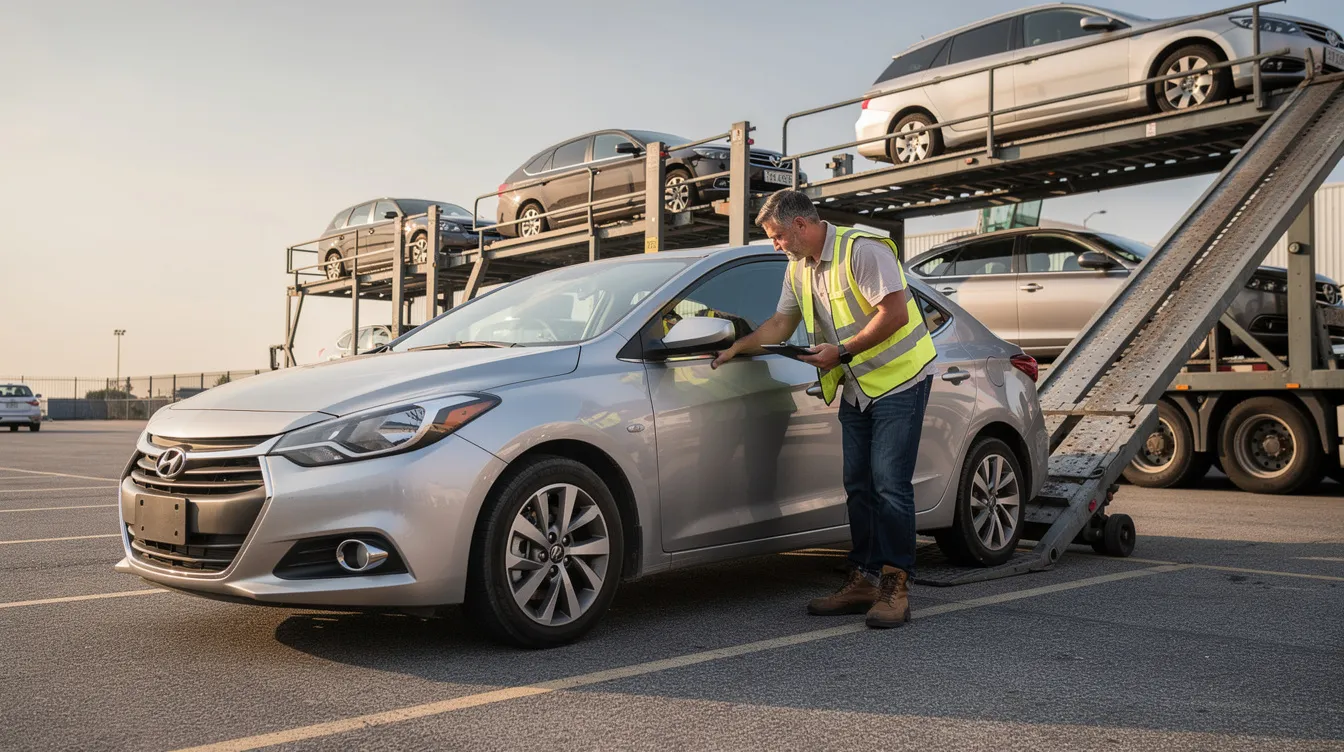
Preparing Your Car for Pickup Day
Simple preparation helps avoid delays and disputes. A few steps the night before make pickup day smooth.
Remove all personal belongings and valuables. Carriers insure the vehicle only, not loose items inside. Clothing, electronics, and important documents should come out. Personal items left in the car become your responsibility if anything goes missing.
Keep fuel tank at about a quarter full. This reduces weight on the carrier while keeping the car mobile enough for loading and unloading. Topping off wastes money and adds unnecessary pounds.
Check tire pressure and battery charge. Low tires or a dead battery complicate loading. Address fluid leaks beforehand too. Dripping oil onto other vehicles creates problems.
Secure or remove loose parts. Spoilers, roof racks, and antennas can catch wind or snag during transit. If removal is simple, do it. Otherwise, mention these additions when booking so carriers plan accordingly. An oil change before shipping is not necessary unless already overdue.
Take clear, timestamped photos of all sides, the roof, and interior. These supplement the bill of lading and provide evidence if questions arise later.
Transit Timing, Routes, and What Happens on the Road
Timing depends on distance, route popularity, and traffic patterns. No shipping company can guarantee exact delivery to the hour. Too many variables exist.
Regional moves under 500 miles typically complete within one to three days after vehicle pickup. Mid-range routes spanning several states take three to seven days. Cross country shipments from the east coast to west coast generally require six to twelve days.
Carriers follow efficient, legal trucking routes. Drivers must respect rest regulations and safety rules. They cannot drive unlimited hours. Weather delays, highway construction, and unexpected congestion shift windows slightly.
Remote areas take longer because fewer carriers run those lanes. Popular corridors between major cities see faster matching. Delivery locations in small towns may add a day or two compared to metro drop off locations.
Homeland Auto Transport tracks progress through regular driver check-ins. We relay updates so you know where your car is during transit. Stay reachable by phone as delivery day approaches. Coordination works best when both parties communicate promptly.
Expedited shipping options exist for time-sensitive moves. These cost more but prioritize faster matching and direct routes.
Pricing Factors and Why Quotes Vary Between Companies
Transparent pricing matters. Homeland Auto Transport never adds hidden costs after you book. Your quote reflects the actual rate for your shipment.
Several factors determine price:
|
Factor |
Impact on Cost |
|---|---|
|
Distance |
Primary driver; longer routes have lower per-mile rates |
|
Route demand |
Popular lanes cost less due to competition |
|
Vehicle size |
Larger trucks/SUVs cost more than compact sedans |
|
Running status |
Non-running vehicles need special equipment |
|
Open vs enclosed |
Enclosed costs 50-100% more |
|
Season |
Summer and holidays increase demand and prices |
|
Location type |
Rural pickups/deliveries command premiums |
Flexible pickup windows often secure better rates. Carriers appreciate customers who can adjust by a few days to fit existing schedules. This keeps costs down without sacrificing quality.
Unusually low quotes raise red flags. They may rely on slower dispatch, less thorough vetting, or equipment failure risks. Most shippers understand that reliability matters more than chasing the cheapest number. Payment typically happens via debit card or certified funds at delivery.
Working with Homeland Auto Transport vs Going It Alone
Coordinating directly with truck owners sounds straightforward. In practice, it exposes you to risks that brokers handle daily.
Homeland Auto Transport pre-screens every carrier. We verify licenses, insurance policies, and FMCSA safety scores. A company with poor inspection records never touches your shipment. You get high quality service without personally vetting dozens of drivers.
Working with us means one location for all communication. Questions about timing, paperwork, or concerns go through our team. We manage expectations on both sides so drivers and customers share accurate information.
Our local route knowledge prevents pickup surprises. We know which neighborhoods have low bridges, tight cul-de-sacs, or access challenges. This saves time and avoids day-of scrambles.
Going solo means negotiating rates, verifying paperwork, and hoping the carrier shows up as promised. If problems arise, you handle them alone. Transport companies like ours exist to reduce that stress.
Your vehicle represents significant money and utility. Protecting that investment through professional coordination makes sense. Homeland Auto Transport treats every car shipment as if the vehicle belonged to family.
Ready to ship your vehicle? Request your quote today and experience transparent, reliable auto transport from start to finish.
How Car Shipping Works
Shipping a car across town or across the country can feel overwhelming. You want your vehicle to arrive safely, on time, and without surprise fees. This guide breaks down exactly how car shipping works so you can make confident decisions from your first quote to final delivery.
Quick Overview: How Car Shipping Works with Homeland Auto Transport
The car shipping process follows a clear path. You start by requesting an instant quote with your pickup and delivery locations, vehicle details, and preferred timing. Once you approve the rate, we assign a vetted carrier from our network. As an auto transport company, Homeland Auto Transport manages the actual pickup and delivery of vehicles, setting us apart from brokers who only arrange shipments. The transport driver contacts you to confirm a pickup date, arrives to inspect and load your vehicle, then delivers it to your destination with a final inspection.
As a car shipping company, Homeland Auto Transport arranges insured carriers for safe door-to-door service, emphasizing excellent customer service and strict safety standards. Every driver in our network holds valid licensing, active cargo insurance, and passes background checks. We handle the coordination so you can focus on other priorities during your move.
The key steps are straightforward: request a quote, choose open or enclosed transport, confirm your dates, complete a vehicle pickup inspection, wait during transit, and sign off at delivery. Here’s how auto transport works: behind the scenes, we coordinate scheduling, select the best carrier for your needs, and manage all logistics to ensure a smooth process. Prices and carrier availability change daily based on route demand and season. Lock in a rate once you find one that fits your budget.
We never hide costs in fine print. Our contracts spell out every charge upfront. The vehicle inspection report at pickup documents your car’s condition with written notes or photos. The same inspection happens at delivery. This protects you and creates visual proof of the shipment.
Our services cover local moves, statewide routes, and long distance transport. Whether you need to ship a sedan from Atlanta, Georgia, to Phoenix, Arizona, or move two cars between neighboring states, the process stays the same. Homeland Auto Transport handles each shipment with the same attention to transparency and care.
What Auto Transport Actually Is (and When People Use It)
Auto transport means professional movement of vehicles on specialized trucks. This is not generic freight shipping. Carriers use multi-level trailers designed specifically to ship cars safely across any distance. Each vehicle sits secured on the deck with wheel chocks and straps.
People use auto transportation for many reasons. Job relocations top the list. When a company transfers you across the country, driving your car thousands of miles adds stress and wear. Military personnel face similar situations with frequent base changes. Snowbirds moving cross country between northern homes and southern retreats ship their vehicles seasonally instead of making the long drive twice.
College students heading to out-of-state schools often need their car shipped. Online car buyers purchasing used cars or new cars from distant dealerships rely on car shipping companies to handle delivery. For example, imagine buying a truck from a seller in Texas while you live in Florida. Arranging car shipment makes more sense than flying out and driving it back.
Most cars ship on open carriers. These are the same trucks you see delivering inventory to dealerships. The process keeps vehicles insured, secured, and handled only by licensed drivers. Homeland Auto Transport coordinates timing between customers and drivers to minimize how long your car sits waiting.
Step-by-Step: From Quote Request to Final Delivery
This section walks through the full timeline of how car shipping work unfolds from start to finish.
Step 1: Share Your Details You provide the pickup city and state, delivery city and state, and your preferred date range. Include vehicle specifics like make, model, body style, and whether the car runs. Accurate information leads to accurate pricing.
Step 2: We Calculate Your Rate Our team checks live carrier lanes, season, and route demand. This generates a fair market rate reflecting current availability. Quotes remain valid briefly because conditions shift daily.
Step 3: Carrier Assignment Once you approve the rate, we secure a vetted carrier. You receive estimated pickup and delivery dates. The transport driver will contact you directly as the pickup date approaches.
Step 4: Pickup Day The driver arrives and completes a detailed inspection, carefully documenting the car’s condition prior to transportation. Both parties review the bill of lading, which records the vehicle’s condition. The driver notes any existing damage like scratches, dents, or glass chips. You sign, and your car loads onto the trailer.
Step 5: Transit Updates During transit, expect updates via phone or text. Truck drivers follow efficient interstate routes while respecting DOT rest regulations. Regional moves typically take a few days. Cross country shipments average about a week.
Step 6: Final Delivery When your vehicle is delivered at its destination, you complete another walkaround with the driver. Compare the car’s condition to the original notes. Log any changes on the bill. Once satisfied, release the remaining balance if paying COD. Your car arrived safely.
Information You Need Ready Before Getting a Car Shipping Quote
Accurate details lead to accurate pricing. Surprises happen when customers provide incomplete information upfront. Take a few minutes to gather specifics before requesting your quote.
Start with location details: exact pickup city and state, delivery city and state, and your preferred date range. Flexibility on the pickup date can help secure better rates with trusted carriers. Be clear about whether addresses are residential or business locations.
Next, gather vehicle specifics. Know the make, model, and body style. Modifications affecting height or weight matter too. Lifted trucks or vehicles with roof racks require different available space calculations. Mention whether your car runs or needs special equipment for loading.
Note any access challenges at pickup or delivery locations. Tight driveways, low-hanging trees, or HOA restrictions can affect where the carrier meets you. Sharing this upfront helps our team plan accordingly and avoids day-of complications. Vehicle registration details may be requested to verify ownership.
Choosing Open or Enclosed Transport
Both options use insured, vetted carriers. The choice depends on your vehicle type, budget, and comfort with exposure.
Open Transport Open carriers are standard multi-level trailers hauling up to ten vehicles at once. This is the most cost effective option. Daily drivers, family SUVs, and typical sedans ship safely on open carriers. Think of a Toyota Camry or Ford F-150 headed to a new owner. Open transport handles most cars without issue.
Vehicles remain exposed to weather and road debris. However, this matches how automakers deliver inventory to dealerships. Damage claims on open carriers remain rare when documentation is thorough.
Enclosed Transport Enclosed carrier trailers provide maximum protection. Covered walls shield vehicles from rain, dust, and debris. This service costs roughly 50-100% more than open transport but suits certain vehicles perfectly.
Choose enclosed transport for luxury sedans, classic muscle cars, or freshly restored vehicles. If your specific vehicle holds significant value or sentimental importance, the extra investment brings peace of mind.
Homeland Auto Transport helps customers weigh value against risk tolerance. We consider route conditions and vehicle type before recommending one option over another.
Door-to-Door Service and What “Door” Really Means
Door-to-door auto transport means the carrier picks up and delivers as close as safely possible to your listed addresses. This differs from terminal shipping where you drop off and pick up at centralized lots.
Carriers aim for your actual address. However, limits exist. Narrow residential streets, low-hanging branches, and weight restrictions prevent large trucks from accessing every driveway. Downtown areas with tight parking also pose challenges. HOA rules sometimes prohibit commercial vehicles.
When access proves difficult, drivers coordinate alternative meeting points. A nearby shopping center parking lot or wide intersection often works. The driver calls ahead with 24-hour notice to arrange a safe, legal spot. Communication stays constant.
For example, if you live on a cul-de-sac with low clearance, the driver might suggest meeting at a grocery store parking lot two blocks away. This protects both your vehicle and surrounding property from tight maneuvers.
Homeland Auto Transport prioritizes safety, convenience, and local traffic rules. We never force drivers into risky situations that could damage your car or property.
How Vehicle Inspections and the Bill of Lading Protect You
The bill of lading serves as the most important document in your car shipment. It functions as both a legal receipt and a detailed condition report.
At pickup, the driver conducts a thorough walkaround. They note every scratch, ding, dent, and chip on the vehicle inspection report portion of the bill. Glass condition, tire wear, and any prior damage get documented. This creates a baseline snapshot of your vehicle’s condition before loading.
Arrive with a clean car so marks show clearly. Dirt obscures scratches and makes accurate notation harder. Take your own timestamped photos of all angles and the interior as backup visual proof.
Both parties sign the bill of lading at pickup. This confirms agreement on the documented condition. Keep your copy safe.
At final delivery, the same inspection happens again. Walk around the car with the driver and compare current condition against original notes. Any new damage gets logged before you sign off. This documentation supports legitimate claims with the carrier’s cargo insurance.
Homeland Auto Transport emphasizes clear documentation and honest communication. Proper records protect everyone involved.
Insurance, Coverage, and How Risk Is Managed
Every carrier in our network must hold active cargo insurance. This requirement protects your vehicle during loading, transit, and unloading.
Carrier policies cover damage caused during transport. New dents, scrapes, or scratches that appear between pickup and delivery fall under this coverage. Normal road dust or minor grime does not count as damage. The bill of lading comparison determines what qualifies.
Keep your own auto insurance policy active during shipping. This adds another layer of protection and covers gaps that carrier insurance might not address. Some customers also have gap coverage through their personal policies.
Before assigning your shipment, our team verifies carrier insurance and safety records through FMCSA databases. We check for active liability coverage, clean inspection histories, and proper licensing. This vetting happens before any carrier touches your vehicle.
If damage occurs, document it immediately. Note the issue on the bill of lading at delivery. Contact Homeland Auto Transport promptly so we can guide you through the claims process. Quick action speeds resolution.
Preparing Your Car for Pickup Day
Simple preparation helps avoid delays and disputes. A few steps the night before make pickup day smooth.
Remove all personal belongings and valuables. Carriers insure the vehicle only, not loose items inside. Clothing, electronics, and important documents should come out. Personal items left in the car become your responsibility if anything goes missing.
Keep fuel tank at about a quarter full. This reduces weight on the carrier while keeping the car mobile enough for loading and unloading. Topping off wastes money and adds unnecessary pounds.
Check tire pressure and battery charge. Low tires or a dead battery complicate loading. Address fluid leaks beforehand too. Dripping oil onto other vehicles creates problems.
Secure or remove loose parts. Spoilers, roof racks, and antennas can catch wind or snag during transit. If removal is simple, do it. Otherwise, mention these additions when booking so carriers plan accordingly. An oil change before shipping is not necessary unless already overdue.
Take clear, timestamped photos of all sides, the roof, and interior. These supplement the bill of lading and provide evidence if questions arise later.
Transit Timing, Routes, and What Happens on the Road
Timing depends on distance, route popularity, and traffic patterns. No shipping company can guarantee exact delivery to the hour. Too many variables exist.
Regional moves under 500 miles typically complete within one to three days after vehicle pickup. Mid-range routes spanning several states take three to seven days. Cross country shipments from the east coast to west coast generally require six to twelve days.
Carriers follow efficient, legal trucking routes. Drivers must respect rest regulations and safety rules. They cannot drive unlimited hours. Weather delays, highway construction, and unexpected congestion shift windows slightly.
Remote areas take longer because fewer carriers run those lanes. Popular corridors between major cities see faster matching. Delivery locations in small towns may add a day or two compared to metro drop off locations.
Homeland Auto Transport tracks progress through regular driver check-ins. We relay updates so you know where your car is during transit. Stay reachable by phone as delivery day approaches. Coordination works best when both parties communicate promptly.
Expedited shipping options exist for time-sensitive moves. These cost more but prioritize faster matching and direct routes.
Pricing Factors and Why Quotes Vary Between Companies
Transparent pricing matters. Homeland Auto Transport never adds hidden costs after you book. Your quote reflects the actual rate for your shipment.
Several factors determine price:
|
Factor |
Impact on Cost |
|---|---|
|
Distance |
Primary driver; longer routes have lower per-mile rates |
|
Route demand |
Popular lanes cost less due to competition |
|
Vehicle size |
Larger trucks/SUVs cost more than compact sedans |
|
Running status |
Non-running vehicles need special equipment |
|
Open vs enclosed |
Enclosed costs 50-100% more |
|
Season |
Summer and holidays increase demand and prices |
|
Location type |
Rural pickups/deliveries command premiums |
Flexible pickup windows often secure better rates. Carriers appreciate customers who can adjust by a few days to fit existing schedules. This keeps costs down without sacrificing quality.
Unusually low quotes raise red flags. They may rely on slower dispatch, less thorough vetting, or equipment failure risks. Most shippers understand that reliability matters more than chasing the cheapest number. Payment typically happens via debit card or certified funds at delivery.
Working with Homeland Auto Transport vs Going It Alone
Coordinating directly with truck owners sounds straightforward. In practice, it exposes you to risks that brokers handle daily.
Homeland Auto Transport pre-screens every carrier. We verify licenses, insurance policies, and FMCSA safety scores. A company with poor inspection records never touches your shipment. You get high quality service without personally vetting dozens of drivers.
Working with us means one location for all communication. Questions about timing, paperwork, or concerns go through our team. We manage expectations on both sides so drivers and customers share accurate information.
Our local route knowledge prevents pickup surprises. We know which neighborhoods have low bridges, tight cul-de-sacs, or access challenges. This saves time and avoids day-of scrambles.
Going solo means negotiating rates, verifying paperwork, and hoping the carrier shows up as promised. If problems arise, you handle them alone. Transport companies like ours exist to reduce that stress.
Your vehicle represents significant money and utility. Protecting that investment through professional coordination makes sense. Homeland Auto Transport treats every car shipment as if the vehicle belonged to family.
Ready to ship your vehicle? Request your quote today and experience transparent, reliable auto transport from start to finish.
Simple Steps to Book Auto Transport
Need to transport your vehicle? We deliver safely and on time anywhere across the United States.
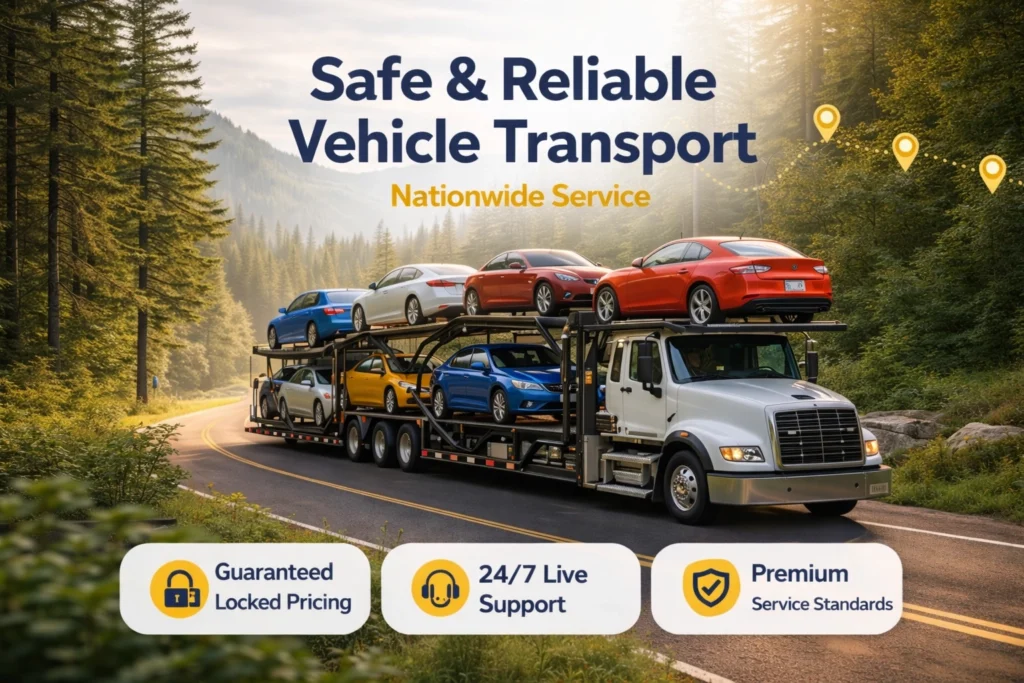
Quick Steps to Auto Transport

Step 1
Get a Quote and book

Step 2
We pick up your vehicle

Step 3
Receive delivery on time
Professional Transport Services

Auto Transport

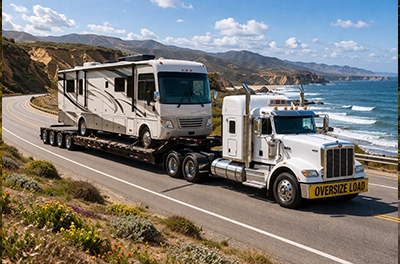
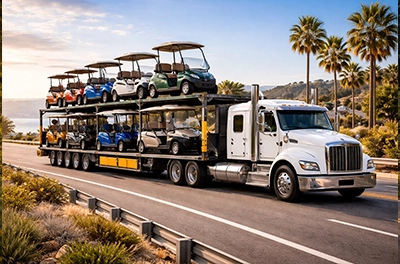
Motorcycle Shipping
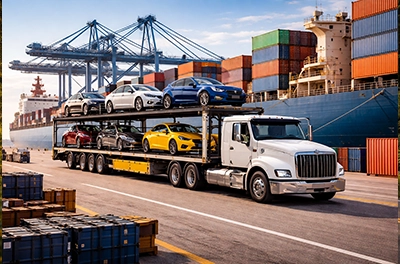
International Shipping
Get A Free
Instant Quote
Click below to get a free instant quote on your vehicle shipping service in just a few easy steps.
Why Choose Homeland Auto Transport?
Reasons to Trust Us With Your Vehicle Transport
Professional Auto Transport
We deliver reliable, nationwide vehicle shipping backed by experience and precision. Every shipment is handled with care, from dispatch to final delivery. Our network of vetted carriers ensures safe, on-time transport across all routes. With clear communication and dependable service, you always know your vehicle is in good hands.
Top Rated Service
We prioritize the safety of your vehicle at every stage of the transport process. Our fully vetted and insured carrier network ensures your shipment is handled with professionalism and care. From pickup to delivery, we maintain strict standards and clear communication so you always stay informed. With a focus on reliability and protection, you can trust us to deliver your vehicle safely and securely every time.
Always Available
Our team is available around the clock to support your vehicle transport needs. Whether you have questions, need updates, or want to book a shipment, we are here 24/7. You will always have direct access to real people who understand your shipment. With fast responses and consistent communication, we make the entire process smooth and stress-free.
Competitive Transport Pricing
We offer fair, market-driven pricing with no hidden fees or unexpected charges. Our rates are based on real-time transport data, ensuring you receive accurate and competitive quotes. With flexible options for every budget, we make it easy to ship your vehicle without overpaying. You get reliable service, strong value, and pricing you can trust from start to finish.
Nationwide Auto Transport
We provide reliable vehicle shipping across all 50 states, covering major cities and remote areas alike. Our extensive carrier network allows us to handle routes coast to coast with ease. Whether you are moving locally or across the country, we ensure consistent service and dependable delivery. No matter the distance, your vehicle is transported safely and efficiently nationwide.
White Glove Transport
We deliver a premium, hands-on transport experience designed for high-value vehicles and clients who expect more. Every detail is managed with precision, from careful carrier selection to priority scheduling and delivery. Your vehicle receives elevated protection and personalized attention at every step. With constant communication and a higher standard of care, we ensure a seamless, stress-free shipping experience.
FAQs
How does Homeland Auto Transport work?
Homeland Auto Transport makes vehicle shipping simple from start to finish. First, you request a quote online or by phone. We match your shipment with a vetted carrier in our nationwide network. Once scheduled, your vehicle is picked up at your location or nearby. During transit, we provide updates so you always know where your vehicle is. At delivery, you or your contact will inspect the vehicle and complete the process. We handle logistics, carrier coordination, and communication, so you can focus on your schedule while we manage the transport safely and efficiently.
How much does auto transport cost with Homeland Auto Transport?
The cost of auto transport depends on distance, vehicle type, transport method, and current market demand. At Homeland Auto Transport, we offer competitive, transparent pricing with no hidden fees. Open transport is the most affordable option, while enclosed transport offers added protection for high-value vehicles. Seasonal demand and route popularity can also affect pricing. We provide accurate, real-time quotes based on your exact route and vehicle details. Our goal is to give you a fair rate while ensuring your vehicle is picked up quickly and delivered safely anywhere in the United States.
Is my vehicle insured during transport?
Yes, every shipment booked through Homeland Auto Transport includes carrier insurance coverage. All carriers in our network are fully licensed and insured, meeting federal requirements. Before pickup, a detailed inspection report is completed to document your vehicle’s condition. Upon delivery, you will review the vehicle again to confirm it arrived safely. While damage is rare, insurance coverage provides peace of mind throughout the process. For high-value or specialty vehicles, we can also arrange enclosed transport options for added protection during transit across long distances or challenging routes.
How long does it take to ship a car nationwide?
Transit time depends on distance, route, and scheduling factors. Shorter routes may take 1–3 days, while cross-country auto transport typically takes 5–10 days. At Homeland Auto Transport, we work to secure fast pickups, often within 1–3 days of booking. Weather, traffic, and route demand can impact delivery times, but we always provide estimated timelines upfront. Our team stays in contact with carriers to ensure everything stays on schedule. We prioritize efficiency without compromising safety, so your vehicle arrives on time and in the same condition it was picked up.
What types of vehicles can Homeland Auto Transport ship?
Homeland Auto Transport can ship nearly any type of vehicle nationwide. This includes standard cars, SUVs, trucks, motorcycles, luxury vehicles, classic cars, and even oversized or specialty equipment. Whether you need open or enclosed transport, we tailor each shipment to your needs. Our extensive carrier network allows us to handle both everyday vehicles and high-value transports with care. No matter the size, type, or destination, we coordinate the right equipment and carrier to ensure safe and reliable delivery across all 50 states.