
Door to Door Auto Transport

25+ Years Experience
Guaranteed Price
Licensed & Insured

Locked-In Pricing
Locked Rate Guarantee

24/7 Dedicated Support Team
Around-the-Clock Support

Nationwide Auto Transport
All 50 States Shipping

High-Quality Service Standards
Industry-Leading Standards
What Our Customer Say About Us
Door-to-Door Auto Transport
Moving a vehicle across state lines doesn’t have to mean spending days behind the wheel. Door to door auto transport has become the go-to solution for families relocating, military members with PCS orders, and anyone buying a car from an out-of-state dealership. In this guide, you’ll learn exactly how door to door shipping works, what it costs in 2026, and how to choose a reliable auto transport company that gets your car delivered safely.
What Is Door-to-Door Auto Transport?
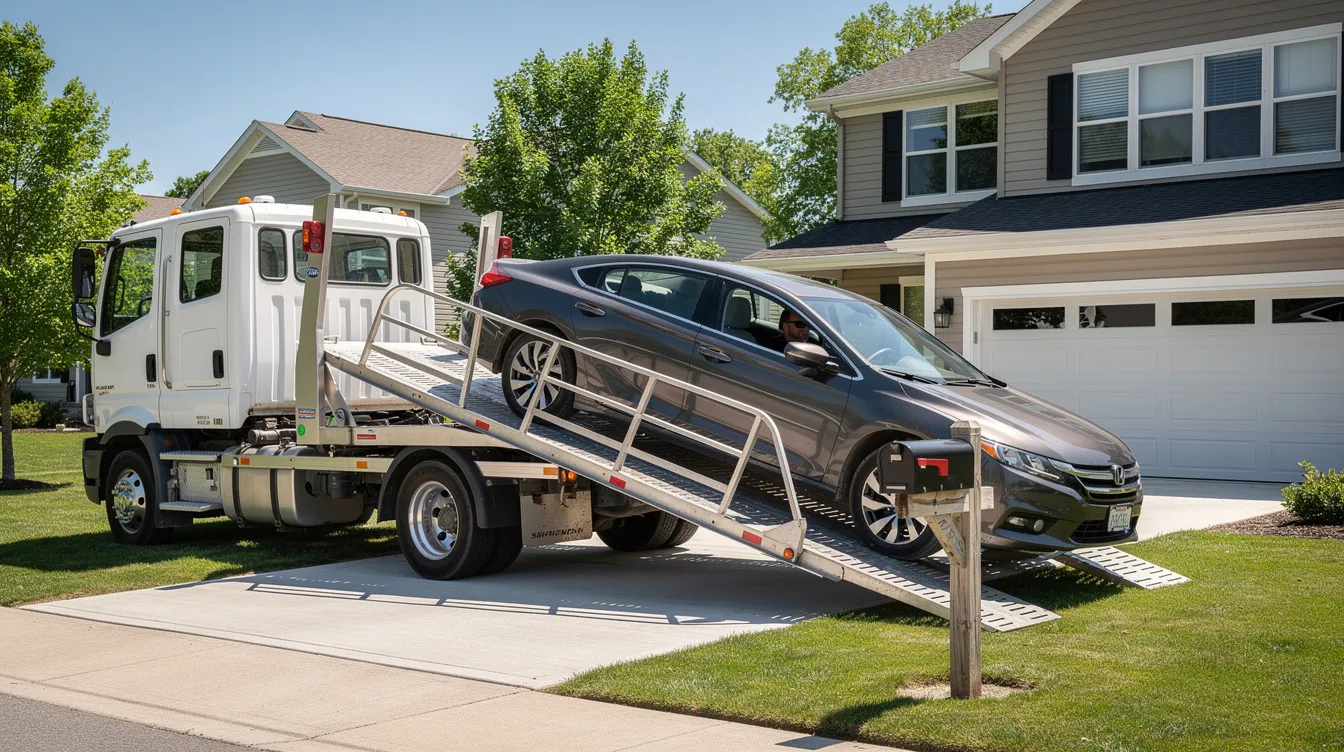
Door to door auto transport is a vehicle shipping service where the carrier picks up your car directly from your specified location and delivers it to your destination address. The carrier gets as close as safety, local regulations, and physical access allow—whether that’s your driveway, curbside, or a nearby parking lot.
The term “door to door” doesn’t always mean the truck parks in front of your garage. Car carriers are large trucks that often can’t navigate narrow streets, cul-de-sacs, gated communities, or areas with low hanging trees and power lines. If the truck driver can’t safely access your property, they’ll arrange to meet you at a nearby shopping center, grocery store parking lot, or wide intersection. This adjustment still counts as door to door transport because it’s the closest feasible point to your preferred address.
This service contrasts sharply with terminal-to-terminal shipping. With terminal shipping, you drive your vehicle to a storage yard or depot—sometimes located far outside the city—and pick it up from another terminal near your final destination. For example, terminal-to-terminal in the Phoenix, AZ area might require driving 30 minutes to a storage yard on the outskirts, while door to door service enables residential pickup right in nearby Scottsdale, AZ.
Door to door car shipping is generally available throughout the contiguous United States. Typical exceptions include Alaska, Hawaii, Puerto Rico, and international routes, which usually require port or terminal coordination due to logistical and regulatory barriers.
Here’s a real-world example of how it works:
Imagine you’re relocating from Chicago, IL to Austin, TX. You provide your exact pickup location and delivery address during booking. The auto shipping company coordinates with a carrier who regularly runs that route. On pickup day, the truck driver meets you at your Chicago suburban home (or a nearby lot if the residential areas have tight turns or speed bumps), loads your vehicle, and transports it along efficient interstate routes. A few days later, your car arrived at your Austin home or an adjacent public parking area. The whole process is handled remotely with phone updates, so you don’t need to be present at every step.
How Door-to-Door Car Shipping Works Step by Step
Understanding the process from quote to delivery helps you know exactly what to expect during a typical 2026 car shipment. Here’s how door car shipping unfolds:
Quote and Booking
The process begins when you request an instant quote through an online form or phone call. You’ll provide your exact pickup and delivery ZIP codes, vehicle details (year, make, model—like a 2022 Honda Civic), operability status, and your preferred pickup window. Most car shipping services generate estimates within minutes and allow flexible payment options, such as a deposit upfront with the balance due on delivery.
Dispatch and Carrier Assignment
Once you book, the auto shipping company assigns a licensed, insured carrier from their vast network—often exceeding 15,000 drivers nationwide. They match your shipment with a truck driver who regularly services your requested route. For instance, if you’re shipping from New York City to Miami, they’ll assign someone familiar with the I-95 corridor.
Pre-Pickup Communication
You’ll receive an estimated pickup date, carrier contact details, and confirmation about what to expect. The carrier typically calls or texts 12-24 hours before arrival to confirm logistics, including parking instructions or an alternate meeting spot if large trucks can’t access your driveway due to low hanging branches or commercial vehicle restrictions.
Pickup Day
On pickup day, the driver verifies your ID and conducts a thorough vehicle inspection. Every pre-existing scratch, dent, or chip gets documented on the Bill of Lading (BOL) with photos. This inspection protects both you and the carrier by establishing the vehicle’s condition before transport. If your street has obstacles like tight turns or speed bumps, you’ll meet at a specified nearby location.
Transit
Car carriers average 400-500 miles per day, depending on routes and mandatory rest periods. A shipment from Los Angeles to Houston via I-10, for example, follows a well-traveled corridor. Customers receive proactive updates via phone, text, or email, with some companies offering live tracking portals so you can monitor progress in real time.
Delivery
Delivery mirrors the pickup process. You’ll receive 12-24 hours advance notice with an estimated arrival time. If local streets at your delivery location are too tight for the truck, you’ll meet at a nearby shopping center or parking lot. The driver conducts a final BOL inspection with you to confirm no new damage occurred during transit. After signing off, you settle any remaining balance—usually via cash, money order, or cashier’s check—and your vehicle is unloaded.
Typical Time Frames
Transit times vary by route:
|
Route Type |
Distance |
Estimated Transit |
|---|---|---|
|
In-state moves |
Under 500 miles |
1-3 days |
|
Midwest to East Coast |
500-1,500 miles |
3-6 days |
|
East Coast to West Coast |
2,000+ miles |
6-8 days |
Weather conditions, traffic, and DOT inspection stops can cause delays, so build in a buffer if you have firm move-in dates.

Door-to-Door vs. Terminal-to-Terminal: Which Is Better?
Door to door prioritizes maximum convenience by handling pickup and delivery near your home or office. Terminal-to-terminal can appear cheaper at first glance, but the true cost picture often tells a different story.
What Terminal-to-Terminal Involves
With terminal shipping, you drop your vehicle at a regional yard or depot—like a storage lot near Atlanta’s Hartsfield-Jackson Airport—and retrieve it from another terminal near your destination city. This requires you to arrange transportation to and from both terminals yourself.
Hidden Costs of Terminal Shipping
Terminal-to-terminal’s lower sticker price often ignores several factors:
-
Rideshare costs ($50-100 per trip in metro areas like Los Angeles or Dallas-Fort Worth)
-
Fuel to drive to and from terminals
-
Parking fees at the facility
-
Time off work to coordinate drop-off and pickup
-
Potential delays if terminal hours don’t match your schedule
The Real Cost Comparison
Consider a 1,200-mile move from Denver, CO to Seattle, WA. Self-driving might cost:
-
Gas: $400-600
-
Hotel and food: $200-400
-
Vehicle wear and tear: Variable
-
20+ hours of driving fatigue
A door to door quote for the same route typically falls in the $1,000-1,500 range—comparable when you factor in your time, energy, and hidden expenses, but with far less effort on your part.
When Door-to-Door Makes the Most Sense
Door to door transport excels in these situations:
-
Families relocating with children who can’t caravan multiple vehicles
-
College students shipping cars out-of-state without reliable transport
-
Military PCS orders with strict reporting deadlines
-
Snowbirds shuttling between New York and Florida seasonally
-
Dealerships moving inventory interstate efficiently
-
Buyers purchasing vehicles from distant online marketplaces
Important Caveat
Even door to door service may require a short handoff point in extremely rural areas or dense urban zones where large trucks simply can’t operate safely. But for the vast majority of customers—roughly 80-90% of non-commercial shipments—door to door proves more cost effective and less stressful when total logistics are considered.
Types of Door-to-Door Auto Transport (Open, Enclosed & More)
Door to door service can be combined with different transport methods depending on your vehicle type, its value, and how quickly you need it moved. Here’s what’s available:
Open Car Transport
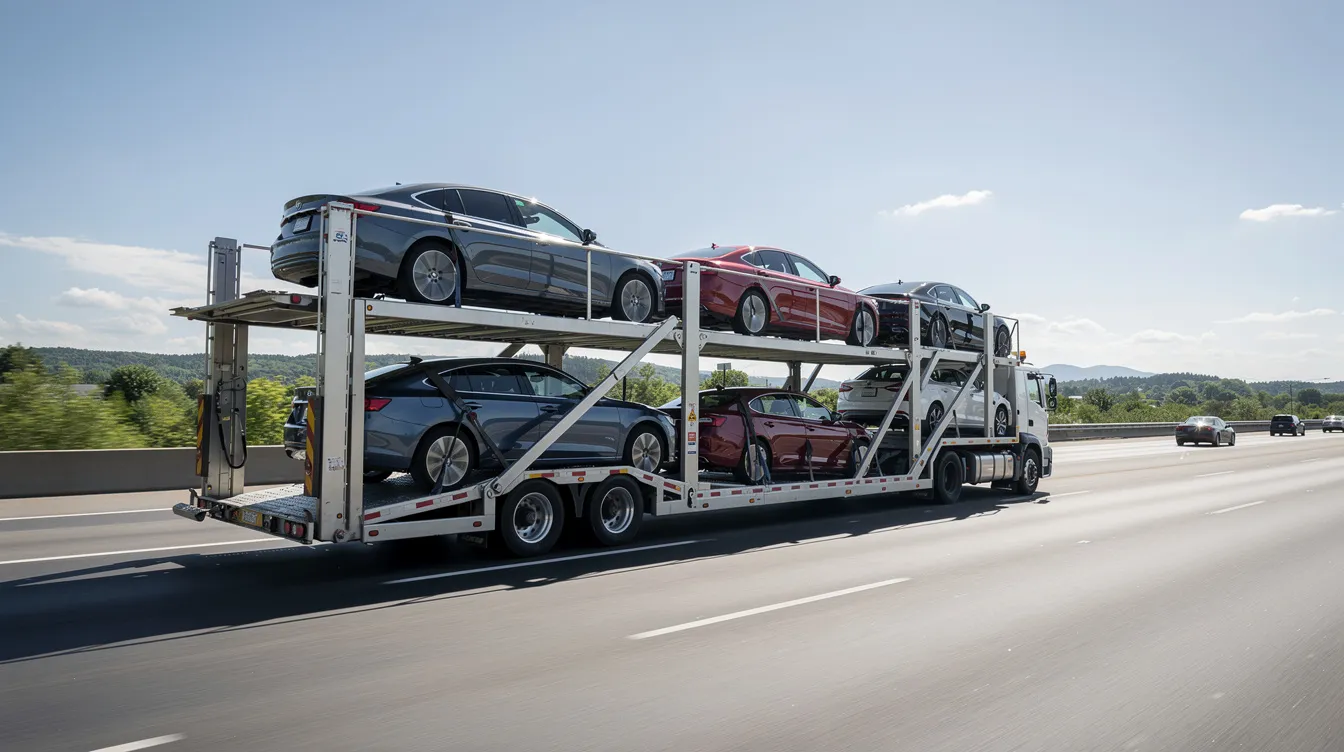
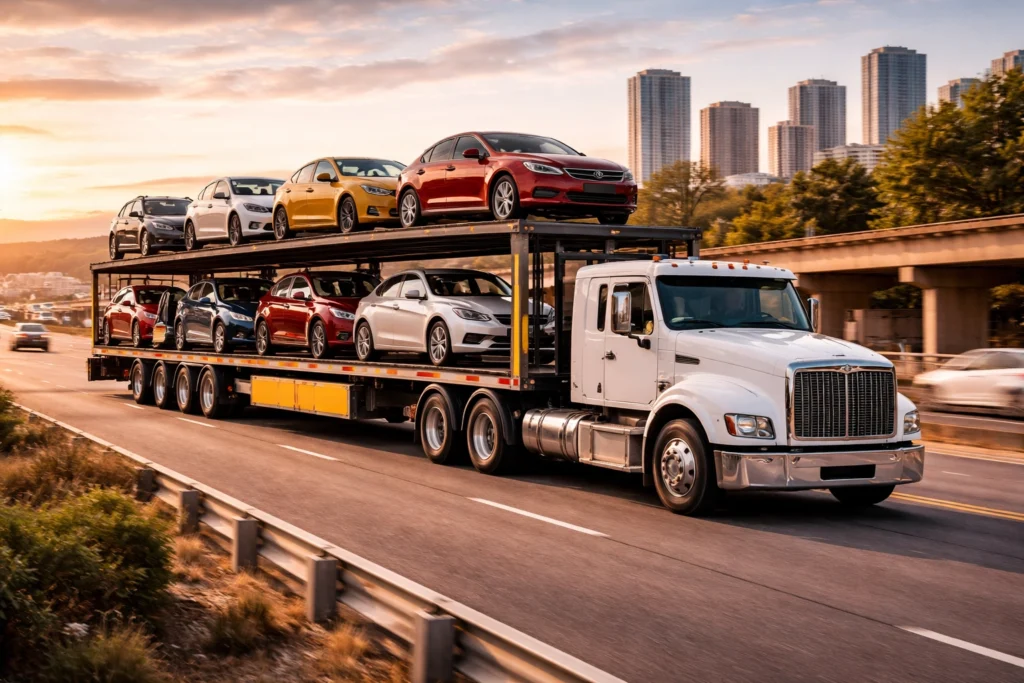
Open carrier transport is the most common and economical option. These are the familiar multi-level car haulers you see on highways, typically hauling 7-10 vehicles at once. Open transport works well for everyday cars like a 2018 Toyota Camry, 2020 Ford F-150, or pickup trucks you use daily.
Because vehicles are exposed to weather and road debris, open transport isn’t ideal for high-value collectibles. However, it comprises over 90% of all auto shipping and costs 20-50% less than enclosed options.
Enclosed Transport
Enclosed carrier transport uses covered trailers that shield vehicles from weather, road salt, rocks, and visibility. This premium service is recommended for:
-
Classic car collectors
-
Exotic vehicles
-
New luxury models exceeding $70,000
-
Electric vehicles with sensitive components
-
Show cars where paint preservation is paramount
Enclosed transport provides maximum protection but commands a 40-60% premium over open carriers.
Expedited Door-to-Door Shipping
Need your car fast? Expedited options prioritize faster pickup—often within 24-48 hours for busy routes like Chicago to Dallas—and shortened transit times. This load service typically costs 20-40% more than standard shipping but works well for executive relocations or auction purchases with tight deadlines.
Inoperable Vehicle Transport
Vehicles that don’t run can still be shipped door to door using winches, ramps, and special equipment. However, you must disclose inoperability upfront during booking. Expect a surcharge of $100-400 depending on the vehicle’s condition and what equipment is needed.
Specialty Options
Additional transport type options include:
-
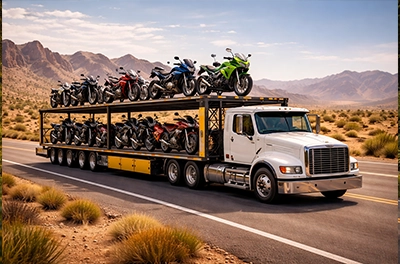
Motorcycle-specific trailers with secure tie-downs
-
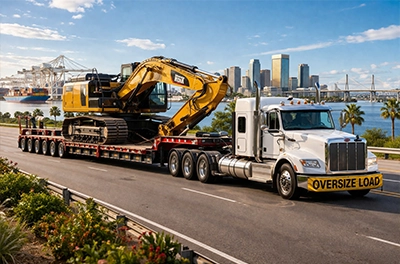
Oversized hauls for lifted trucks or vans requiring lowboy trailers
-
Multi-vehicle bookings (e.g., shipping two cars from Boston, MA to Raleigh, NC) with discounted bundled rates
-
Top load service for those wanting their vehicle placed on the top deck for less road debris exposure
What Does Door-to-Door Auto Transport Cost?
Pricing fluctuates with 2026 market conditions—fuel prices are up 10-15% from 2025, seasonal demand shifts constantly, and carrier availability varies by route. The numbers below are examples to help you benchmark, not fixed quotes.
Primary Pricing Factors
Several factors determine your car shipping cost:
|
Factor |
Impact |
|---|---|
|
Total mileage |
Longer hauls cost less per mile |
|
Route popularity |
Major corridors (I-95, I-10) run 20% below rural paths |
|
Vehicle size/weight |
SUVs cost 10-20% more than sedans |
|
Operability |
Non-running vehicles add $150-400 |
|
Time of year |
Summer peaks and snowbird season add 15-25% |
|
Transport type |
Enclosed adds 40-60% over open |
Per-Mile Ranges
As of early 2026, expect roughly:
-
Common routes: $0.60-$1.00 per mile for open transport
-
Short hauls under 500 miles: $1.00-$1.50 per mile (fixed costs spread over fewer miles)
-
Cross country routes: Often the best price per mile due to volume
Specific Route Examples
Here are two scenarios to illustrate typical 2026 pricing:
Example 1: A 2021 Honda Accord, operable, open carrier, door to door from Atlanta, GA to Orlando, FL (approximately 440 miles) might land in the $400-700 range.
Example 2: A 2020 BMW 5 Series, enclosed transport, door to door from San Diego, CA to Seattle, WA (approximately 1,250 miles) could fall into the $1,800-3,200 range.
Add-Ons That Increase Price
-
Enclosed transport: +40-60%
-
Guaranteed pickup windows: +$200-500
-
Top load service placement: +$100-200
-
Expedited shipping: +20-40%
Getting an Accurate Quote
The best way to understand real costs is to request an instant quote with your specific details. Entering your exact ZIP codes, vehicle information, and preferred dates (late May vs. early January makes a significant difference) generates a real-time estimate. Car shipping experts can also explain available options over the phone.
Industry data shows prices rising 5-8% annually from 2023-2026 due to diesel costs and regulations. Getting multiple quotes helps you benchmark against market norms and avoid surprise fees.
How Long Does Door-to-Door Transport Take?
Transit times depend on distance, route popularity, weather conditions, and driver scheduling. All estimates are approximate windows, not guarantees—carriers must follow DOT hours-of-service rules limiting driving to 11 hours per day.
Typical Delivery Windows by Distance
|
Route Type |
Example |
Estimated Transit |
|---|---|---|
|
Short trips under 500 miles |
Charlotte, NC to Nashville, TN |
1-3 days after pickup |
|
Mid-range 500-1,500 miles |
Chicago, IL to Dallas, TX |
3-6 days |
|
Cross country 2,000+ miles |
New York, NY to Los Angeles, CA |
6-8 days |
The national average across all routes is 7-10 days from booking to delivery.
Pickup Windows
Pick up usually occurs within 1-5 business days from your first available date for popular routes. Remote or low-traffic specified locations may require 7-14 days to find an available carrier heading that direction.
What Causes Delays
Several factors can extend your delivery schedule beyond initial estimates:
-
Winter storms in the Midwest (adding 1-3 days)
-
Heavy summer traffic on major interstate corridors
-
Random DOT inspection stops
-
Mandatory driver rest periods
-
Mechanical issues with the carrier
2026 data indicates approximately 10-15% of shipments experience delays exceeding 24 hours.
Planning for Firm Deadlines
If you have a lease starting June 1 or a work start date that can’t flex, book early—ideally 2-4 weeks ahead—and build in a 2-3 day buffer. Reliable carriers provide ETAs, mid-route updates, and revised estimates if weather conditions change. Great communication throughout the process is a hallmark of professional car shipping services.
Preparing Your Vehicle for Door-to-Door Shipping
Good preparation minimizes delays, prevents damage disputes, and helps the whole process run smoothly. Start about a week before your scheduled pickup.
Clean Your Vehicle
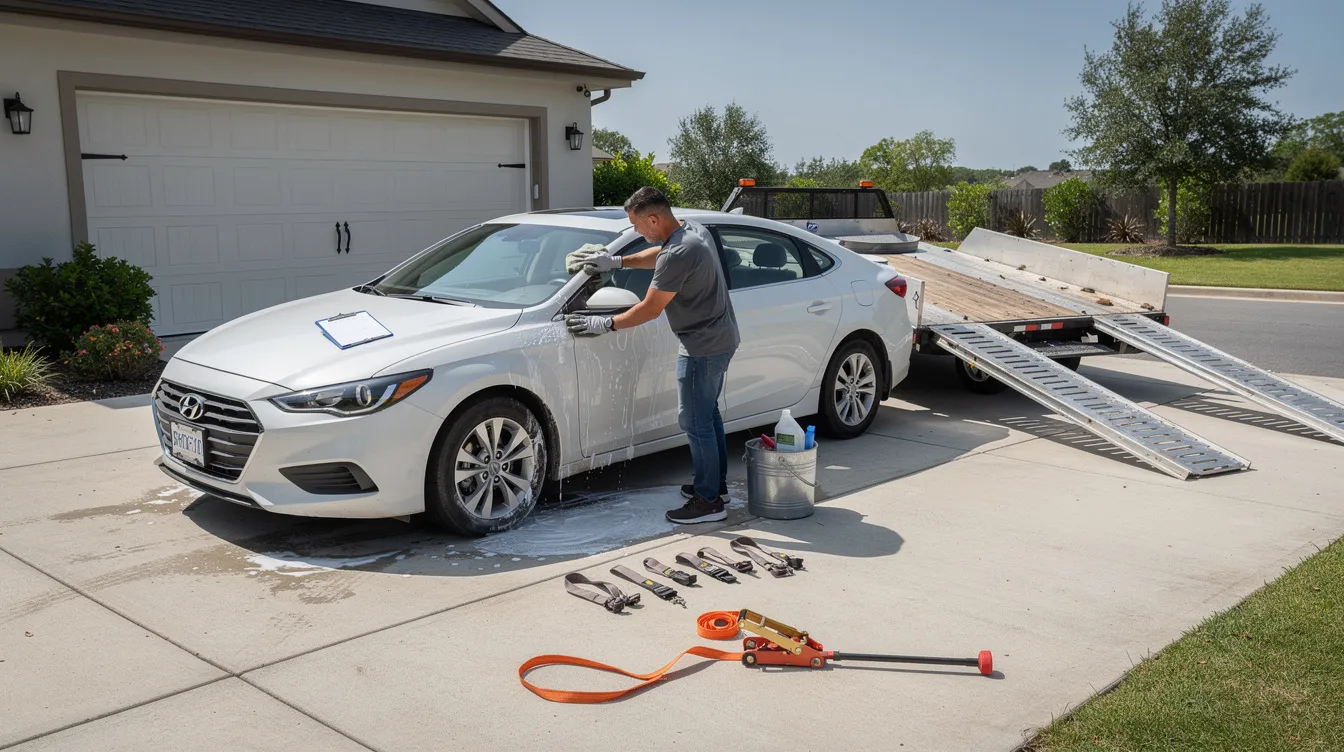
Wash the exterior and clean the interior thoroughly. A clean car makes it easy to identify and document every pre-existing ding, scratch, and paint chip on the Bill of Lading. Dirt and grime can hide damage that might later become a dispute.
Document Everything with Photos
On the morning of pickup, take time-stamped photos from multiple angles:
-
Front and rear
-
Both sides
-
Close-ups of any existing damage
-
Interior condition
-
Odometer reading
Repeat this process when your vehicle arrives. These photos serve as evidence if you need to file a claim for new damage.
Remove Personal Items
Empty all personal items and valuables from the vehicle. Auto transport insurance typically doesn’t cover belongings left inside, and excess weight can violate carrier limits (usually around 150 lbs maximum). Leaving items also creates liability issues and may result in the carrier refusing to load your vehicle.
Maintain Proper Fuel Level
Keep about a quarter tank of fuel—enough for loading, unloading, and driving off the truck, but not so full that it adds unnecessary weight. Many carriers specify this requirement.
Basic Mechanical Checks
Verify these items before pickup:
-
Battery fully charged
-
Tires properly inflated to manufacturer specs
-
No major fluid leaks
-
Functioning brakes and steering
-
All loose parts secured
If your vehicle is inoperable, disclose this during booking so the carrier arranges winch equipment. Surprising the driver on pickup day causes delays and may result in a refused shipment.
Logistical Preparation
Handle these details before pickup day:
-
Provide accurate 24/7 contact information
-
Arrange for an authorized representative if you can’t be present
-
Prepare payment in an accepted form (cash, cashier’s check, or approved digital payment) if balance is due on delivery
-
Note any gate codes or access instructions for your pickup location
Following these steps reduces damage claims by 30-40% according to industry data, primarily through clear condition documentation.
Safety, Insurance, and Choosing a Reliable Door-to-Door Carrier
Safety and insurance protection are critical when shipping a car across the country. Not all brokers and carriers operate at the same standard, so knowing what to look for protects your vehicle and your wallet.
What Legitimate Carriers Must Have
Reputable auto transport company operations hold:
-
Active USDOT and MC numbers (verifiable through the FMCSA database)
-
Proper liability and cargo insurance ($750,000+ minimum)
-
Written contracts for every shipment
-
Bills of Lading documenting vehicle condition
Understanding Insurance Coverage
The carrier’s primary cargo coverage protects your vehicle during transit. Some brokers also offer contingent coverage that kicks in if the carrier’s insurance doesn’t fully cover a claim. Before booking, ask for proof of coverage and clarify:
-
What’s the coverage limit per vehicle?
-
What’s the deductible?
-
How are claims filed and processed?
Industry data shows the average claim payout is $500-1,000, with 85% of claims resolved within 30 days.
The Role of Inspections
Pickup and delivery inspections protect you legally. Any new damage must be noted on the Bill of Lading at delivery time—not hours or days later—to support a valid claim. Never sign the BOL without carefully inspecting your vehicle first.
How to Vet Companies in 2026
Use these practical steps to identify reliable shipping services:
-
Check FMCSA SAFER records (look for crash rates under 1.0)
-
Read recent online reviews across multiple platforms
-
Look for consistent positive reviews over multiple years (4.5+ stars over 1,000+ reviews)
-
Verify a physical business address exists
-
Compare quotes—avoid bids 30% below average market rates
Red Flags to Avoid
Watch out for these warning signs:
-
No physical business address
-
Pressure tactics to book immediately
-
Vague or changing pricing
-
Refusal to share carrier information before pickup
-
Requests for large upfront payments before service
-
No written contract or Bill of Lading
Broker vs. Direct Carrier Booking
You can book directly with a carrier or use a reputable broker that pre-screens a nationwide network of drivers. Direct booking gives you more control but limits route options. Brokers access vast networks (15,000+ drivers) for better pricing and availability but add 10-15% in fees. Many car shipping experts recommend a hybrid approach: use a broker for quotes, then independently verify the assigned carrier before pickup.
Is Door-to-Door Auto Transport Right for You?
Door auto transport works best for people relocating for work, families moving across state lines, students returning home, military members with PCS orders, and buyers purchasing vehicles from out-of-state dealerships or online marketplaces. If you’re facing any of these situations, the convenience factor alone often justifies the cost.
When deciding between driving yourself and using door transport, weigh three things honestly: your available time, the hidden costs of alternatives (gas, hotels, meals, wear on your vehicle, and fatigue), and how many vehicles need to move. For moves over 500-700 miles, tight relocation timelines, or households with two cars or more, door to door transport frequently proves the most hassle free and cost effective solution.
The fastest way to understand real costs and timing for your specific situation is to request a quote with your exact addresses and dates. Whether you use an online form or call to speak with car shipping experts directly, getting an instant quote takes just minutes and helps you plan your auto shipping needs with confidence. Your next step is simple: enter your pickup and delivery details, select your preferred dates, and see exactly what door to door car shipping will cost for your move.
hrough delivery and beyond.
Simple Steps to Book Auto Transport
Need to transport your vehicle? We deliver safely and on time anywhere across the United States.
Quick Steps to Auto Transport

Step 1
Get a Quote and book

Step 2
We pick up your vehicle

Step 3
Receive delivery on time
Professional Transport Services

Auto Transport
Motorcycle Shipping
International Shipping
Get A Free
Instant Quote
Click below to get a free instant quote on your vehicle shipping service in just a few easy steps.
Why Choose Homeland Auto Transport?
Reasons to Trust Us With Your Vehicle Transport
Professional Auto Transport
We deliver reliable, nationwide vehicle shipping backed by experience and precision. Every shipment is handled with care, from dispatch to final delivery. Our network of vetted carriers ensures safe, on-time transport across all routes. With clear communication and dependable service, you always know your vehicle is in good hands.
Top Rated Service
We prioritize the safety of your vehicle at every stage of the transport process. Our fully vetted and insured carrier network ensures your shipment is handled with professionalism and care. From pickup to delivery, we maintain strict standards and clear communication so you always stay informed. With a focus on reliability and protection, you can trust us to deliver your vehicle safely and securely every time.
Always Available
Our team is available around the clock to support your vehicle transport needs. Whether you have questions, need updates, or want to book a shipment, we are here 24/7. You will always have direct access to real people who understand your shipment. With fast responses and consistent communication, we make the entire process smooth and stress-free.
Competitive Transport Pricing
We offer fair, market-driven pricing with no hidden fees or unexpected charges. Our rates are based on real-time transport data, ensuring you receive accurate and competitive quotes. With flexible options for every budget, we make it easy to ship your vehicle without overpaying. You get reliable service, strong value, and pricing you can trust from start to finish.
Nationwide Auto Transport
We provide reliable vehicle shipping across all 50 states, covering major cities and remote areas alike. Our extensive carrier network allows us to handle routes coast to coast with ease. Whether you are moving locally or across the country, we ensure consistent service and dependable delivery. No matter the distance, your vehicle is transported safely and efficiently nationwide.
White Glove Transport
We deliver a premium, hands-on transport experience designed for high-value vehicles and clients who expect more. Every detail is managed with precision, from careful carrier selection to priority scheduling and delivery. Your vehicle receives elevated protection and personalized attention at every step. With constant communication and a higher standard of care, we ensure a seamless, stress-free shipping experience.
FAQs
How does Homeland Auto Transport work?
Homeland Auto Transport makes vehicle shipping simple from start to finish. First, you request a quote online or by phone. We match your shipment with a vetted carrier in our nationwide network. Once scheduled, your vehicle is picked up at your location or nearby. During transit, we provide updates so you always know where your vehicle is. At delivery, you or your contact will inspect the vehicle and complete the process. We handle logistics, carrier coordination, and communication, so you can focus on your schedule while we manage the transport safely and efficiently.
How much does auto transport cost with Homeland Auto Transport?
The cost of auto transport depends on distance, vehicle type, transport method, and current market demand. At Homeland Auto Transport, we offer competitive, transparent pricing with no hidden fees. Open transport is the most affordable option, while enclosed transport offers added protection for high-value vehicles. Seasonal demand and route popularity can also affect pricing. We provide accurate, real-time quotes based on your exact route and vehicle details. Our goal is to give you a fair rate while ensuring your vehicle is picked up quickly and delivered safely anywhere in the United States.
Is my vehicle insured during transport?
Yes, every shipment booked through Homeland Auto Transport includes carrier insurance coverage. All carriers in our network are fully licensed and insured, meeting federal requirements. Before pickup, a detailed inspection report is completed to document your vehicle’s condition. Upon delivery, you will review the vehicle again to confirm it arrived safely. While damage is rare, insurance coverage provides peace of mind throughout the process. For high-value or specialty vehicles, we can also arrange enclosed transport options for added protection during transit across long distances or challenging routes.
How long does it take to ship a car nationwide?
Transit time depends on distance, route, and scheduling factors. Shorter routes may take 1–3 days, while cross-country auto transport typically takes 5–10 days. At Homeland Auto Transport, we work to secure fast pickups, often within 1–3 days of booking. Weather, traffic, and route demand can impact delivery times, but we always provide estimated timelines upfront. Our team stays in contact with carriers to ensure everything stays on schedule. We prioritize efficiency without compromising safety, so your vehicle arrives on time and in the same condition it was picked up.
What types of vehicles can Homeland Auto Transport ship?
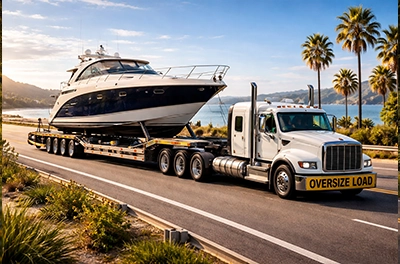
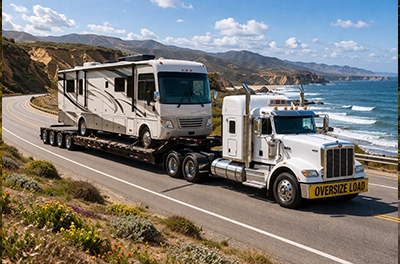
Homeland Auto Transport can ship nearly any type of vehicle nationwide. This includes standard cars, SUVs, trucks, motorcycles, luxury vehicles, classic cars, and even oversized or specialty equipment. Whether you need open or enclosed transport, we tailor each shipment to your needs. Our extensive carrier network allows us to handle both everyday vehicles and high-value transports with care. No matter the size, type, or destination, we coordinate the right equipment and carrier to ensure safe and reliable delivery across all 50 states.